
Plants
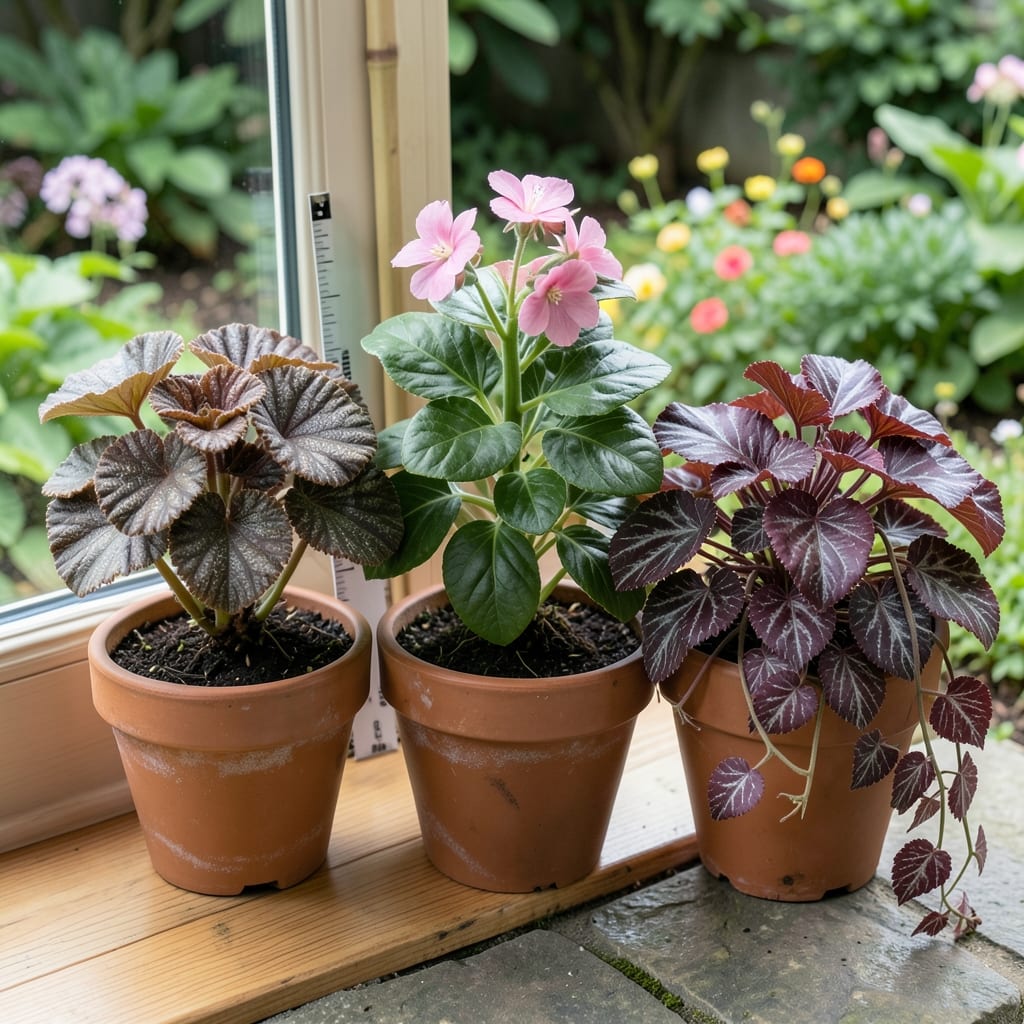
If you’ve ever wondered how tall do begonia plants grow, the answer depends on the type—and your care choices. These stunning 🌸 begonias come in everything from trailing tabletop gems to towering bush varieties, making them surprisingly versatile for small spaces or bold displays.
Most begonia varieties cap out between 1 and 3 feet, but the real secret lies in their growth habits. Tuberous begonias, for example, can reach their full height faster with proper sunlight, while rex begonias stay compact with lush foliage. Whether you’re dreaming of a hanging basket or a dramatic border, understanding these differences is the key to picking the perfect plant for your vision.
What’s even better? You can easily control their height with simple tricks like pruning, staking, or adjusting light exposure. I’ll show you exactly how to keep your begonia thriving at your desired size—no guesswork required. Let’s dive into the varieties and tips that’ll transform your space, no matter how big (or small) your garden dreams are.
From windowsill charmers to statement-makers, begonias prove that beauty comes in all sizes. Ready to find the perfect fit for your home? The right variety—and a few care tweaks—could mean the difference between a 6-inch treasure and a 3-foot centerpiece. Let’s get started!

Begonia plant height ranges: from tiny tabletop to floor-filling giants
When it comes to how tall do begonia plants grow, the answer isn’t one-size-fits-all. Begonias span a dramatic range—from delicate 6-inch tabletop varieties to 3-foot-tall bushy giants—depending on the type and care you provide. Understanding these height differences helps you choose the perfect plant for your space, whether it’s a sunny windowsill or a shady garden corner.
The key to managing begonia height lies in their growth habits. Some varieties naturally stay compact, while others stretch toward the sky with the right conditions. For example, rex begonias often max out at 12-18 inches, making them ideal for shelves or small pots, while tuberous begonias can reach 2-3 feet with proper sunlight and support. Let’s break down the categories so you can pick the perfect fit.
🌱 Compact Begonias (6–12 inches): These are the stars of small spaces. Varieties like 'Dragon Wing' or 'Rex' begonias thrive in 6-inch pots or hanging baskets, perfect for windowsills, desks, or terrariums. Their lush foliage and slow growth make them low-maintenance choices for beginners.
🌿 Medium Begonias (1–2 feet): The workhorses of begonia gardens, these include 'Wax' begonias and 'Angel Wing' varieties. They strike a balance between manageable size and bold presence, ideal for borders, fairy gardens, or as accent plants in mixed containers. With proper pruning, they rarely exceed 2 feet, even in ideal conditions.
🌳 Tall Begonias (2–3 feet): For those craving drama, 'Tuberous' begonias like 'Nonstop' or 'Illumination' varieties can grow into striking 3-foot-tall bushes. These thrive in garden beds or large containers, adding height to shady corners or woodland-style gardens. Their rapid growth makes them perfect for seasonal displays.
| Variety Type | Mature Height | Best For | Care Tip |
|---|---|---|---|
| Rex Begonias | 6–12 inches | Windowsills, shelves | Bright, indirect light |
| Wax Begonias | 1–2 feet | Borders, containers | Pinch for bushiness |
| Tuberous Begonias | 2–3 feet | Garden beds, large pots | Stake for support |
| Angel Wing Begonias | 1–1.5 feet | Hanging baskets, fairy gardens | Partial shade preferred |
| Bulbous Begonias | 1.5–2.5 feet | Shady garden corners | Well-draining soil |
Space planning is everything when growing begonias. A 2-foot-tall tuberous begonia needs at least 12 inches of clearance above its head to avoid crowding nearby plants. For compact varieties, 6-inch pots work wonders, while taller types benefit from 10-12 inch containers with drainage holes to prevent root rot. Always check the variety’s specific needs before planting.
Light exposure plays a surprising role in height control. While begonias love bright, indirect light, too much direct sun can stunt growth or cause leaf burn. Place your plants within 3 feet of an east or west-facing window for ideal conditions. If your space lacks natural light, a grow light can help maintain healthy, proportional growth without encouraging leggy stems.
Don’t overlook the power of pruning to manage height naturally. Regularly trimming leggy stems encourages bushier growth, keeping your begonia compact and full. For taller varieties, pinching back the tips of new growth in early spring can redirect energy toward wider foliage instead of vertical stretching. This simple technique is a game-changer for maintaining your desired height.
Whether you’re aiming for a 6-inch windowsill wonder or a 3-foot garden statement, begonias adapt beautifully to your space—with the right variety and care. Next, we’ll explore how rex, tuberous, and wax begonias grow differently and how to tailor your approach for each type. The secret to perfect height? It’s all in the details!
How growth habits differ: rex, tuberous, and wax begonias compared
Understanding how different begonia types grow helps you predict—and control—their height. While all begonias share moisture-loving roots and glossy leaves, their growth habits vary wildly. Rex begonias focus on lush foliage, tuberous begonias prioritize dramatic blooms, and wax begonias strike a balance between the two. These differences mean your care approach should change based on the type you choose.
For example, rex begonias grow slowly and stay compact, rarely exceeding 12-18 inches. Their thick, textured leaves take center stage, so they thrive in bright, indirect light with minimal pruning. In contrast, tuberous begonias shoot up quickly to 2-3 feet when given enough sunlight, making them ideal for garden beds where height adds impact. Meanwhile, wax begonias grow steadily to 1-2 feet, perfect for containers where both foliage and flowers shine.
🌱 Rex Begonias
🌸 Tuberous Begonias
🌿 Wax Begonias
Light exposure dramatically affects height. Tuberous begonias grow 30% taller with 6+ hours of sunlight daily, while rex begonias may develop leggy stems if deprived of bright, indirect light. For wax begonias, partial shade keeps them bushy and prevents overgrowth. Always match your begonia’s light needs to its growth habit—this is the secret to controlling height without sacrificing beauty.
Pruning plays a different role for each type. Rex begonias rarely need pruning beyond removing dead leaves, while tuberous begonias benefit from early spring pinching to encourage bushier growth. Wax begonias thrive when you trim back leggy stems in late summer to promote new blooms. The key? Prune at the right time—never cut back tuberous begonias after mid-summer, as this reduces next year’s flowers.
Soil type also impacts height. Tuberous begonias need well-draining, slightly acidic soil to reach their full 2-3 foot potential, while rex begonias prefer peat-based mixes that stay moist but not soggy. For wax begonias, a balanced potting mix with perlite keeps roots happy and growth steady. The right soil prevents stunted growth and root rot, ensuring your begonia reaches its ideal height.
Whether you love rex begonias for their foliage, tuberous begonias for their height, or wax begonias for their versatility, each type rewards you with stunning results—if you tailor your care to their unique growth habits. Next, we’ll dive into 5 simple tips to control height and keep your begonias thriving at the perfect size for your space. 🌸