
Plants
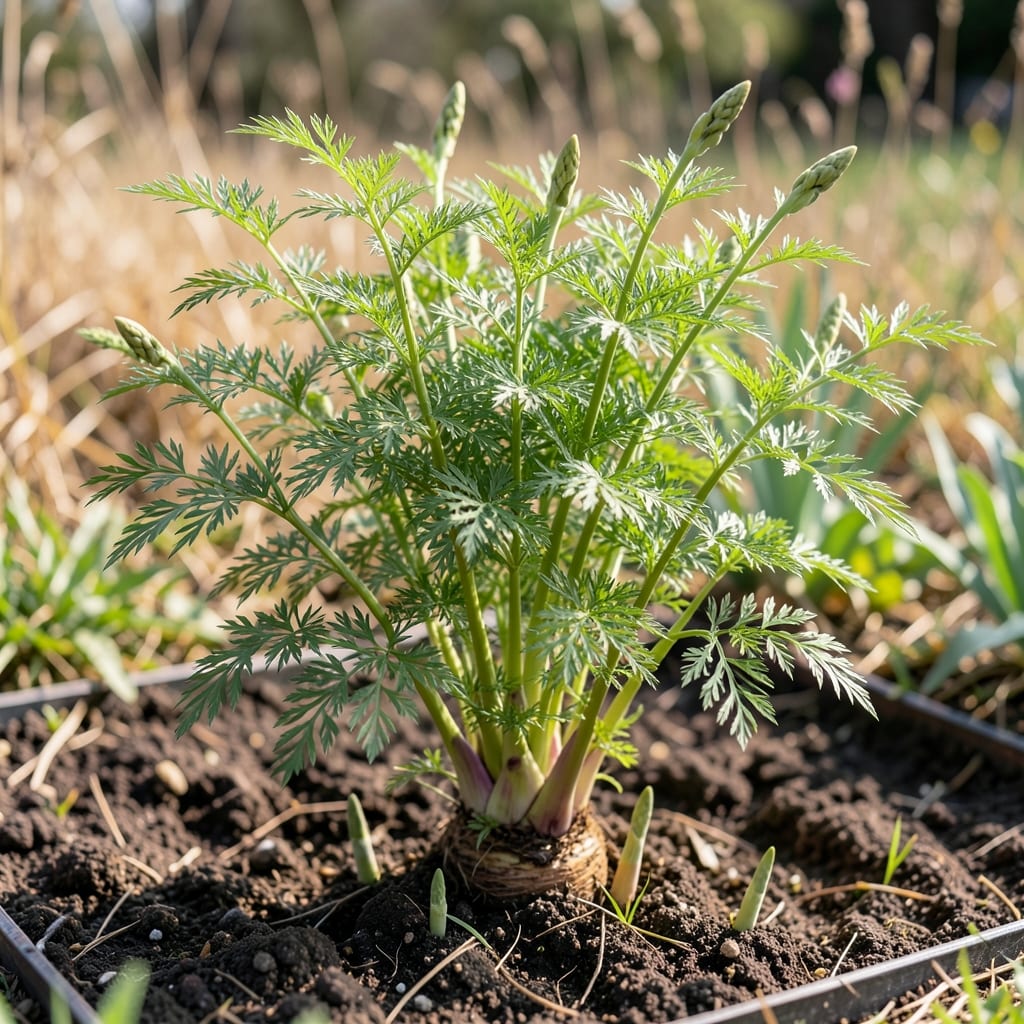
If you’ve ever wondered "how tall do asparagus plants grow", the answer might surprise you—these 🌱 perennial powerhouses can reach heights of 4 to 5 feet in just a few years, making them a space-efficient yet towering addition to any garden.
For gardeners in USDA Zone 6a, where spring planting kicks off in March-April, knowing this height is key to planning your layout. Too close to fences or other plants, and you’ll struggle to harvest those prized spears. But with the right variety—like the towering 'Green Giant' or the more compact 'Mary Washington'—you can tailor your garden to fit your space.
What’s even more interesting is how asparagus grows over time. In their first year, they’ll stay low, focusing on root establishment, but by Year 2 or 3, those lush fronds can shoot up dramatically. That’s why soil depth matters—12+ inches of loose, well-drained soil is non-negotiable if you want your plants to reach their full potential.
In this guide, I’ll break down everything you need to know—from variety-specific heights to soil tips and pruning tricks—to ensure your asparagus not only grows tall but thrives for years to come. Let’s get growing!


Asparagus plant height by variety: from dwarf to giant varieties
When planning your asparagus patch, height matters. Most varieties reach 3 to 5 feet tall at maturity, but some can grow even taller—especially if given ideal conditions. The variety you choose directly impacts your garden layout, harvest accessibility, and even how you support the plants as they grow.
For example, 'Green Giant' asparagus can tower up to 5 feet tall, making it perfect for larger gardens where you want dramatic foliage and abundant harvests. On the other hand, 'Mary Washington', a classic variety, typically stays between 3 to 4 feet, making it ideal for smaller spaces or container gardening with proper care.
Here’s the key: soil depth and spacing play a huge role in how tall your asparagus grows. If your soil is shallow or compacted, even the hardiest varieties like 'Jersey Knight' (which reaches 4 feet) may struggle to reach their full height potential.
Let’s break down the most popular varieties and their mature heights to help you plan your garden like a pro.
| Variety | Mature Height | Best For | Notes |
|---|---|---|---|
| 'Mary Washington' | 3–4 ft | Small gardens, containers | Classic, sweet flavor; needs 12+ inches soil |
| 'Green Giant' | 4–5 ft | Large gardens, high yields | Tallest variety; may need staking |
| 'Purple Passion' | 3–4 ft | Ornamental gardens, novelty | Purple spears; slightly shorter but striking |
| 'Jersey Knight' | 4 ft | Cold climates, early harvests | Disease-resistant; great for Zone 6a |
| 'Millennium' | 3–4 ft | Year-round harvests | Perennial; produces spears for 15+ years |
If you’re growing asparagus in containers, opt for dwarf varieties like 'Mary Washington' or 'Millennium', as they won’t outgrow your pots. A 5-gallon container is the minimum for these, but deeper is always better for root health.
For row planting, space your asparagus 12 to 18 inches apart to give them room to spread. If you’re planting near a fence or wall, leave at least 3 feet of clearance to avoid shading the plants and make harvesting easier.
Pro tip: If you love the look of tall asparagus but have limited space, consider trellising varieties like 'Green Giant'. This not only saves space but also makes harvesting those top spears a breeze—no more bending over!
Remember, height isn’t everything. Even if your asparagus doesn’t reach 5 feet, a healthy plant with strong spears is what truly matters. Focus on soil quality, sunlight, and proper care, and your asparagus will reward you with years of harvests—no matter the variety.
Now that you know the heights, let’s talk about the soil secrets that help asparagus grow tall and strong. Stay tuned!
Soil depth and height: why your asparagus needs 12+ inches of loose soil
If you’ve ever planted asparagus and wondered why your spears are stunted, the answer likely lies in your soil depth. Asparagus roots need at least 12 inches of loose, well-draining soil to reach their full height potential. Shallow soil means shallow roots, which translates to stunted growth—even in varieties like 'Green Giant' that could otherwise tower to 5 feet.
Think of asparagus roots like an iceberg: what you see above ground is just the tip. Below, the crown spreads horizontally, sending down thick, fibrous roots that need deep, aerated soil to thrive. Without it, your plants may only reach 2 to 3 feet, even after years of growth. That’s why gardeners in USDA Zone 6a often amend their soil with compost or sand before planting.
Here’s the kicker: asparagus crowns should be planted 6 to 8 inches deep, but the real magic happens in the soil below. If your garden has clay or compacted soil, roots can’t penetrate deeply, limiting height. Even 'Mary Washington', a shorter variety, will struggle to reach 3 to 4 feet if planted in poor soil conditions.
⚠️ Warning: Shallow Soil = Stunted Growth
Asparagus roots need 12+ inches of loose soil to grow tall. If your garden has clay or rocky soil, amend it with compost or sand before planting. Without proper depth, even the hardiest varieties like 'Jersey Knight' will max out at 2 to 3 feet.
To test your soil depth, dig a hole 18 inches deep before planting. If you hit hardpan or rocks, mix in organic matter like compost or aged manure to improve drainage and root penetration. For container gardening, use deep pots (12+ inches) filled with a light, airy potting mix to encourage vertical growth.
Another critical factor is drainage. Asparagus hates soggy roots, which can lead to root rot and stunted growth. If your soil stays waterlogged, consider planting on a slight mound or adding perlite to improve aeration. Well-drained soil isn’t just about height—it’s about long-term plant health.
Remember, soil isn’t just about depth. The right balance of nitrogen, phosphorus, and potassium also fuels vertical growth. A balanced fertilizer (10-10-10) applied in early spring will give your asparagus the boost it needs to reach its full height potential. Now that your soil is prepped, let’s talk about how to maximize height with pruning and support!