
Plants
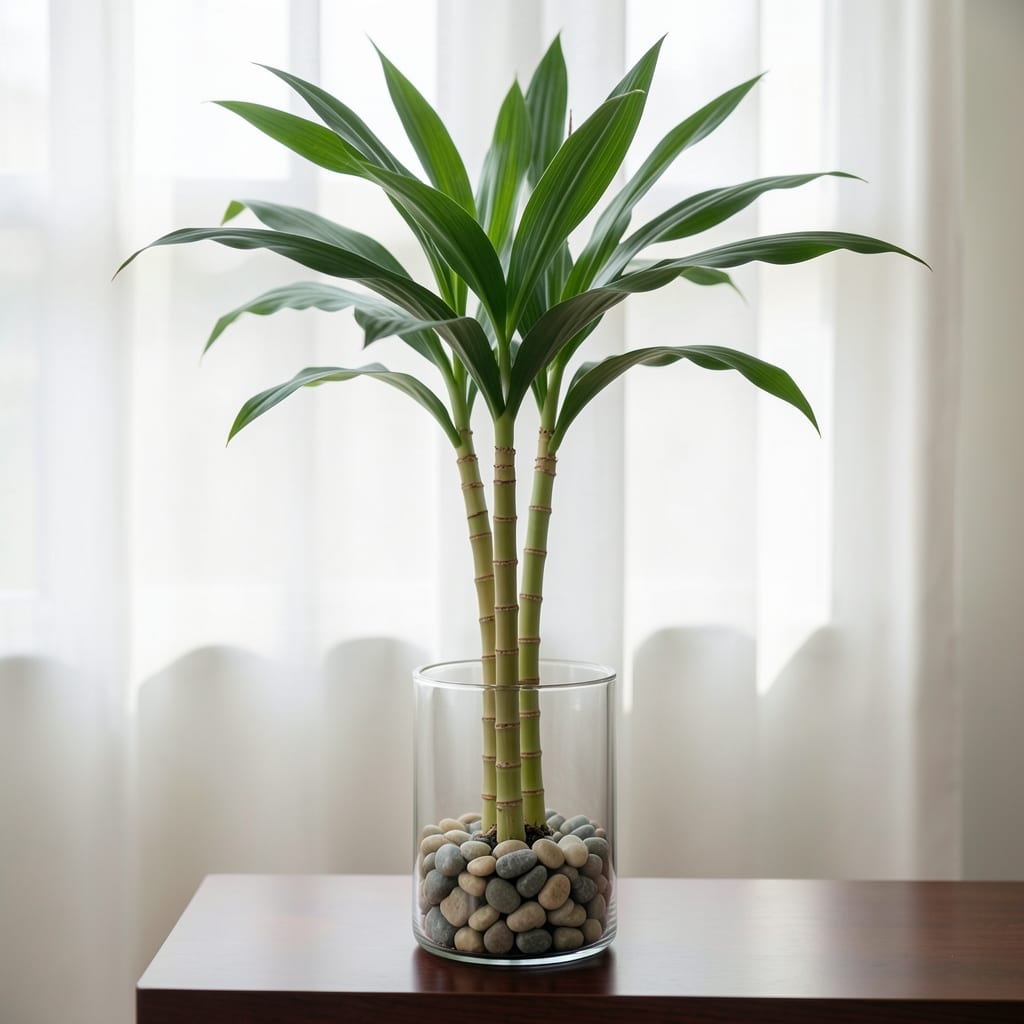
If you’ve ever wondered how tall do bamboo plants grow, the answer might surprise you—some varieties shoot up like skyscrapers while others stay compact enough for small gardens. The key lies in choosing the right species and understanding their growth habits before planting.
Bamboo’s height can range from just 3 feet in dwarf varieties to towering 70 feet in giants like the Phyllostachys species. Whether you’re dreaming of a privacy screen or a delicate accent plant, there’s a bamboo perfect for your space. Let’s break down the fastest-growing types and how to manage their height naturally.
Many gardeners avoid bamboo because of its reputation for spreading uncontrollably. But with the right techniques—like clumping varieties or root barriers—you can enjoy its beauty without the chaos. I’ll share space-saving hacks that keep your bamboo under control while maximizing its lush appeal.
Ready to transform your garden? Discover which bamboo species fit your yard’s size and how to nurture them for years of stunning, low-maintenance growth. Let’s get started!


Bamboo growth heights by species: from dwarf to towering giants
When choosing bamboo for your garden, the first question is always how tall do bamboo plants grow? The answer depends entirely on the species—some stay as short as 3 feet, while others reach 70 feet or more. Understanding these height variations helps you pick the perfect variety for your space, whether you need a privacy screen or a delicate container plant.
Bamboo falls into two main growth categories: clumping (non-invasive) and running (spreading). Clumping varieties grow vertically without spreading horizontally, making them ideal for small gardens. Running bamboo, on the other hand, sends out rhizomes that spread aggressively—perfect for large properties or privacy barriers.
Here’s a quick look at how fast bamboo grows: Dwarf varieties can reach maturity in 1–2 years, while giant species may take 5–10 years to reach their full height. The growth rate also depends on sunlight, water, and soil quality—more on that later!
Pro Tip: If you’re unsure about a species’ height, check its mature height range before planting. Many nurseries label bamboo clearly, but always verify with the seller.
Bamboo Height Guide by Species
| Variety | Type | Mature Height | Growth Rate | Best For |
|---|---|---|---|---|
| Bambusa multiplex (Dwarf Bamboo) | Clumping | 3–8 ft | Slow to moderate | Containers, small gardens |
| Fargesia robusta (Robust Bamboo) | Clumping | 8–12 ft | Moderate | Privacy screens, woodland gardens |
| Phyllostachys aureosulcata (Yellow Groove) | Running | 20–30 ft | Fast | Large properties, windbreaks |
| Bambusa vulgaris (Common Bamboo) | Clumping | 40–60 ft | Very fast | Tropical gardens, tall hedges |
| Phyllostachys bambusoides (Moso Bamboo) | Running | 50–70 ft | Very fast | Privacy screens, large estates |
Note: Running bamboo requires containment to prevent spread.
Dwarf bamboo, like Bambusa multiplex, is perfect for small spaces. These varieties stay under 8 feet and grow slowly, making them ideal for containers or urban gardens. Their compact size also means they’re easier to prune and maintain.
For medium-height options, Fargesia robusta (also called drunken bamboo) reaches 8–12 feet and has a striking, arching habit. It’s a clumping type, so it won’t spread invasively, but it does need partial shade to thrive.
If you’re after a privacy screen, running bamboo like Phyllostachys aureosulcata grows 20–30 feet tall and spreads quickly. However, this means you’ll need to install a root barrier to control its spread. For the tallest options, Moso bamboo (Phyllostachys bambusoides) can shoot up to 70 feet—taller than a two-story house!
Choosing the right species isn’t just about height—it’s also about your garden’s light conditions and soil type. Most bamboo thrives in partial shade, but some tropical varieties, like Bambusa vulgaris, can handle full sun. Always match the plant’s needs to your garden’s microclimate.
One common mistake is assuming all bamboo grows aggressively. Clumping bamboo is a game-changer for small gardens because it grows upward without spreading sideways. If you’re worried about invasiveness, stick to clumping types like Fargesia or Borinda species.
For the fastest growth, running bamboo like Phyllostachys species can add 3–5 feet per year under ideal conditions. But even these can be managed with proper care. I’ll cover space-saving hacks in the next section to keep your bamboo lush and contained.
Now that you know the height ranges, let’s tackle the big question: How do you control bamboo growth without sacrificing its beauty? The answer lies in smart planting and maintenance techniques—stay tuned!
Bamboo growth heights by species: from dwarf to towering giants
When choosing bamboo, height differences between species can transform your garden’s look. Dwarf varieties like Bambusa multiplex stay under 8 feet, perfect for containers or small yards. Meanwhile, giants like Phyllostachys bambusoides can reach 70 feet—ideal for privacy screens or tropical backdrops.
Most bamboo falls into three height categories: dwarf (3–8 ft), semi-dwarf (10–20 ft), and standard (20–70 ft). The right choice depends on your space and goals. For example, Borinda varieties max out at 6 feet, while Dendrocalamus asper towers at 60 feet.
Growth rates vary too. Running bamboo (like Phyllostachys) spreads aggressively but grows 3–5 feet per year. Clumping bamboo (like Fargesia) grows slower—about 1–2 feet annually—but stays contained. This makes clumpers ideal for small gardens or urban patios.
🌿 Bamboo Height Guide by Species
| Variety | Height Range | Growth Rate | Best For |
|---|---|---|---|
| Dwarf Bamboo (Bambusa multiplex) | 3–8 ft | 1–2 ft/year | Containers, small yards |
| Semi-Dwarf (Fargesia robusta) | 10–20 ft | 2–3 ft/year | Privacy hedges, medium gardens |
| Standard (Phyllostachys bambusoides) | 20–70 ft | 3–5 ft/year | Large properties, tropical landscapes |
💡 Pro Tip: Always check a species’ mature height before planting—some "dwarf" varieties can outgrow their containers!
If you love fast growth, running bamboo like Phyllostachys aureosulcata (yellow groove bamboo) grows 3 feet per year and reaches 30–40 feet. For slower, low-maintenance options, Fargesia denudata (umbrella bamboo) stays under 10 feet and thrives in partial shade.
Before planting, measure your space and research your local climate. Bamboo in USDA Zone 6a (like mine) grows faster in warm summers but may need winter protection. In colder zones, opt for hardy species like Bambusa oldhamii, which tolerates 10°F temps.
Now that you know the height ranges, let’s tackle space-saving hacks to keep your bamboo lush without overpowering your yard. Whether you’re working with 3-foot dwarfs or 70-foot giants, these tips will help you garden with confidence! 🌱