
Size
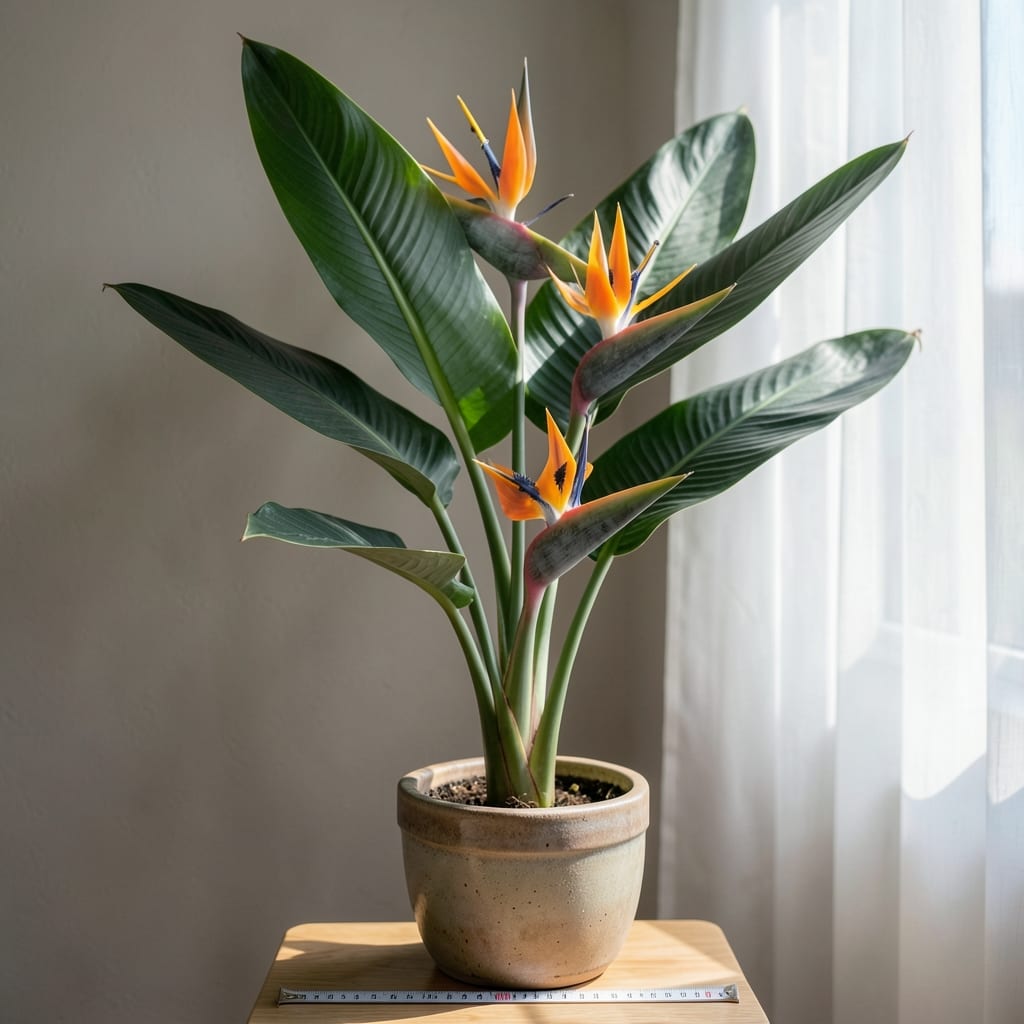
If you’ve ever wondered how tall do bird of paradise grow, you’re not alone—this tropical beauty can become a stunning (or space-hogging) centerpiece depending on where you plant it. The common 🌺 Bird of Paradise (Strelitzia reginae) typically reaches 6 to 8 feet outdoors, making it a showstopper in gardens, but indoor versions often stay shorter due to limited light and pot constraints.
What’s fascinating is how drastically their growth varies between indoor and outdoor settings. Outdoors in zones like 6a, these plants thrive with full sun, shooting up quickly and developing their iconic banana-shaped leaves. Indoors, however, they often max out around 4 to 6 feet unless given ideal conditions—like a bright, south-facing window and regular pruning to encourage bushier growth.
Whether you’re planning a spring garden focal point or dreaming of adding one to your living room, understanding their height potential helps you choose the right spot. Learn how to manage their growth, from pruning tips to pot size tricks, so you can enjoy their dramatic blooms without sacrificing your space—or your sanity.
Ready to turn your 🌺 Bird of Paradise into a statement piece? Stick around to discover how to keep it thriving at the perfect height for your home or yard.


Bird of paradise height by variety: expected growth ranges indoors and outdoors
The bird of paradise (Strelitzia) family includes several stunning varieties, but their mature heights vary significantly based on species and growing conditions. The most common type, 🌺 Strelitzia reginae, typically reaches 6 to 8 feet outdoors but often stays between 4 to 6 feet indoors. Meanwhile, the giant white bird of paradise (Strelitzia nicolai) can tower up to 12 feet outdoors, though indoor specimens rarely exceed 8 feet.
Outdoor plants grow faster due to abundant sunlight, space, and nutrients in the soil. Indoors, their growth slows dramatically unless you provide optimal lighting, proper pot size, and regular fertilization. Even with ideal care, indoor plants rarely match their outdoor counterparts in height or leaf size.
Here’s a quick comparison of the most popular varieties and their expected heights:
| Variety | Outdoor Height | Indoor Height | Growth Speed | Notes |
|---|---|---|---|---|
| Strelitzia reginae (Common Bird of Paradise) | 6–8 ft | 4–6 ft | Moderate (1–2 ft/year) | Iconic orange and blue blooms |
| Strelitzia nicolai (Giant White Bird of Paradise) | 10–12 ft | 6–8 ft | Fast (2–3 ft/year) | Larger leaves, white flowers |
| Strelitzia caudata (Dwarf Bird of Paradise) | 4–6 ft | 3–5 ft | Slow (6–12 in/year) | Smaller leaves, compact growth |
| Strelitzia juncea (White Bird of Paradise) | 8–10 ft | 5–7 ft | Moderate (1–2 ft/year) | Long, arching leaves |
If you’re growing bird of paradise outdoors, expect faster growth in USDA zones 9–11, where they thrive year-round. In cooler zones like 6a, they may grow more slowly but still reach their mature height with proper care. Indoors, light is the #1 factor—place your plant near a south-facing window or under grow lights to maximize height potential.
Another key factor is pot size. Root-bound plants grow taller as they stretch toward light, while those in oversized pots may focus energy on foliage instead. For indoor plants, choose a pot that’s 1–2 inches larger in diameter than the root ball to encourage balanced growth.
For those in small spaces, dwarf varieties like Strelitzia caudata are ideal—they stay under 5 feet tall and thrive indoors with minimal fuss. Just remember: even dwarf varieties need bright light and regular pruning to prevent legginess.
🌱 Whether you’re aiming for a garden statement or a living room centerpiece, understanding your variety’s growth habits helps you plan for success. Next, we’ll dive into pruning and care tips to keep your bird of paradise at the perfect height for your space.
Bird of paradise height by variety: expected growth ranges indoors and outdoors
The 🌺 Bird of Paradise (Strelitzia reginae) is the most common variety, and its height depends heavily on whether it’s grown indoors or outdoors. Outdoors in USDA Zone 6a, this plant can soar to 6 to 8 feet with ideal conditions—full sun, rich soil, and consistent moisture. Indoors, however, it typically maxes out at 4 to 6 feet due to limited light and pot constraints.
If you’re growing the Giant White Bird of Paradise (Strelitzia nicolai), expect even more dramatic heights. Outdoors, this variety can reach 10 to 12 feet or taller, while indoors, it may only grow to 6 to 8 feet unless given exceptional care. Both varieties thrive in spring planting after the last frost, but their growth rates differ significantly based on location.
| Variety | Outdoor Height | Indoor Height | Growth Speed | Best For |
|---|---|---|---|---|
| Common Bird of Paradise (Strelitzia reginae) | 6–8 ft | 4–6 ft | Moderate | Garden borders, containers |
| Giant White Bird of Paradise (Strelitzia nicolai) | 10–12 ft | 6–8 ft | Fast | Large gardens, tropical landscapes |
| Dwarf Varieties (e.g., Strelitzia juncea) | 4–6 ft | 3–5 ft | Slow | Small spaces, indoor pots |
For outdoor plants, full sun exposure (6+ hours daily) is critical to achieving their maximum height. In USDA Zone 6a, these plants grow fastest during the spring and summer months when temperatures are warm and soil moisture is consistent. If you’re growing them indoors, place them near a south-facing window to mimic these conditions.
Pot size also plays a role in height control. Outdoor plants have more room to spread their roots, leading to faster vertical growth. Indoors, using a large container with well-draining soil can help manage height by limiting root expansion. Always ensure your pot has drainage holes to prevent root rot, which can stunt growth.
If you’re planting 🌺 Bird of Paradise as a spring garden focal point, consider spacing them at least 6 feet apart to allow for their mature size. In containers, choose pots that are 12–18 inches wide to support healthy growth without encouraging excessive height.
Remember, even if your plant doesn’t reach its full outdoor height indoors, it can still thrive and produce stunning blooms with the right care. The key is balancing light, space, and water to keep it happy and manageable.