
Flowers
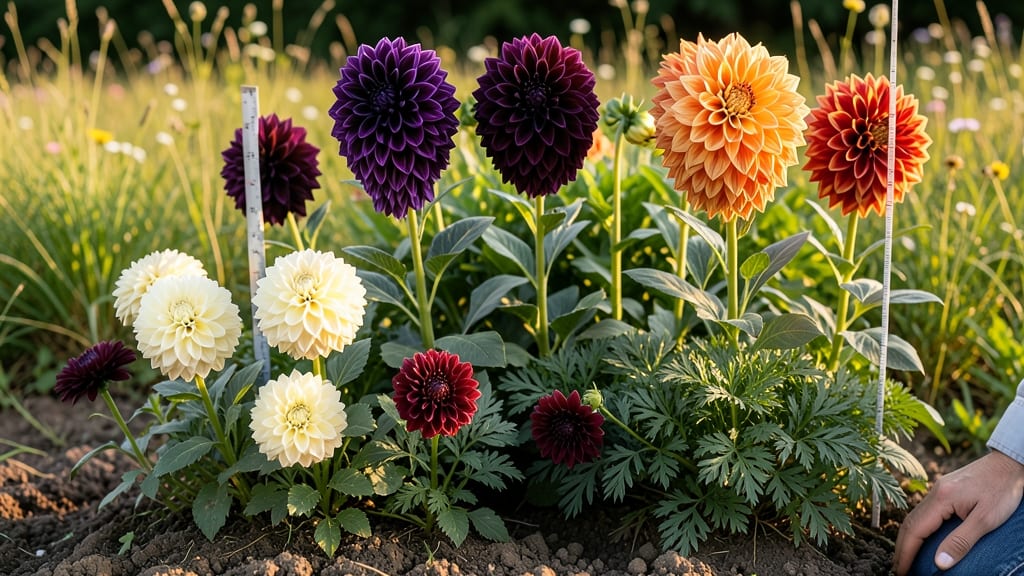
Dahlia height ranges by variety: from dwarf to giant flowers
Dahlias are one of the most versatile flowers in any garden, with height variations that can completely transform your landscape design. Whether you're dreaming of towering floral displays or compact container-friendly blooms, understanding dahlia height ranges is essential.
The American Dahlia Society classifies dahlias into three main height categories, each offering unique visual impact and gardening benefits.
From dwarf varieties perfect for window boxes to giant dahlias that rival small trees, the possibilities are endless. The key to choosing the right height lies in matching your garden's layout with the dahlia's mature size.
For example, tall dahlias (6-8 feet) create dramatic focal points, while medium-height varieties (3-5 feet) work beautifully in borders and mixed beds.
Here's what you need to know about dahlia height ranges before selecting your varieties:
| Height Category | Height Range | Popular Varieties | Best For |
|---|---|---|---|
| Dwarf | 1-2 ft | 'Little Angel', 'Mignon' | Containers, window boxes, fairy gardens |
| Semi-Dwarf | 2-4 ft | 'Café au Lait', 'Thomas Edison' | Borders, mixed beds, small gardens |
| Standard | 4-8 ft | 'Arabian Night', 'Bishop' | Cut flower gardens, focal points, trellises |
🌼 Height ranges can vary by 1-2 feet based on growing conditions
The height differences between dahlia varieties aren't just about aesthetics—they also affect how you should care for your plants. Tall dahlias require sturdy staking or cages to support their heavy blooms, while dwarf varieties thrive in small containers with minimal support.
Even within categories, there's variation—some standard dahlias might reach 6 feet while others grow 8 feet tall under ideal conditions.
One factor that often surprises new gardeners is how first-year growth differs from mature height. Many tall dahlias planted as tubers may only reach 1-2 feet in their first season but can double in height the following year.
This is why experienced growers recommend planting multiple tubers per variety to ensure robust growth from the start.
Your garden's sunlight exposure also plays a crucial role in determining final height. Dahlias grown in full sun (6+ hours daily) typically reach their maximum potential height, while those in partial shade may stay shorter and bushier.
For example, the 'Arabian Night' variety often grows 7-8 feet tall in full sun but might only reach 5-6 feet with 4-5 hours of sunlight.
When planning your dahlia garden, consider how heights will interact with your existing plants. Tall dahlias (6+ feet) work beautifully as backdrop plants behind shorter perennials, while medium-height varieties (3-5 feet) create stunning mid-level interest.
Even dwarf dahlias (1-2 feet) can serve as edging plants or container stars on patios and decks.
Pro tip: If you're unsure about a variety's mature height, check the American Dahlia Society's variety database or look for height ranges on reputable seed packets. Many nurseries now include height estimates alongside color descriptions, making it easier than ever to plan your dream dahlia display.
Remember that pruning practices can also influence final height. Heavy pruning early in the season encourages more compact growth, while minimal pruning allows plants to reach their maximum potential height. This flexibility means you can essentially "design" your dahlia's height to some degree based on your garden's needs.
For gardeners with limited space, dwarf and semi-dwarf varieties offer incredible versatility. These compact plants bloom profusely and can be grown in hanging baskets, window boxes, or even as indoor plants near sunny windows.
Their smaller stature makes them perfect for urban gardens, balconies, and small yards where space is at a premium.
As you explore dahlia varieties, don't forget that height isn't the only factor to consider—bloom size, color, and growth habit all play important roles in your garden design. But understanding height ranges gives you the foundation to create a balanced, beautiful, and functional flower garden that thrives year after year.
Dahlia height ranges by variety: from dwarf to giant flowers
When planning your garden, dahlias offer an incredible range of heights—from 1-foot dwarf varieties perfect for containers to 8-foot giants that command attention in the backyard. The height of your dahlia depends entirely on its variety, with some staying compact while others grow taller than a standard trellis.
Understanding these ranges helps you choose plants that fit your space and design goals.
Most dahlias fall into three broad height categories: dwarf (1-2 ft), semi-dwarf (2-4 ft), and standard (4-8 ft). Each category serves different purposes in garden design, whether you're creating a border, focal point, or vertical display.
Let’s explore the most popular varieties and their typical mature heights to help you make the best choice for your garden.
| Variety Type | Height Range | Examples | Best For |
|---|---|---|---|
| Dwarf | 1–2 ft | 'Bishop', 'Mignon' | Containers, borders, front of beds |
| Semi-Dwarf | 2–4 ft | 'Café au Lait', 'Thomas Edison' | Mixed borders, small trellises |
| Standard | 4–8 ft | 'Arabian Night', 'Galaxy' | Back of beds, focal points, tall trellises |
If you're growing dahlias in containers or small spaces, dwarf varieties like 'Bishop' are ideal—they thrive in pots and add color without overwhelming your layout. For vertical gardens or trellises, semi-dwarf types like 'Thomas Edison' offer a balanced height that works well with climbing plants.
Meanwhile, giant dahlias like 'Arabian Night' can reach 7-8 feet, making them perfect for creating dramatic backdrops or focal points in larger gardens.
One factor that influences height is soil quality and sunlight. Dahlias planted in rich, well-draining soil with full sun (6+ hours daily) tend to grow taller and produce more blooms. However, if your garden has partial shade or poor soil, your dahlias may stay shorter than expected.
Always choose a variety that matches your growing conditions to ensure healthy growth and vibrant flowers.
Another tip: Pruning practices can also affect height. Pinching back young shoots encourages bushier growth, while leaving stems unpruned allows dahlias to reach their full potential height. For tall varieties, always stake or cage them early to prevent flopping and support their weight.
For gardeners with limited space, consider dwarf or semi-dwarf varieties—they’re just as stunning and much easier to manage. If you love the drama of towering blooms, invest in standard-height dahlias and pair them with sturdy supports. Either way, dahlias will transform your garden into a showstopping display! 🌼