
Trees
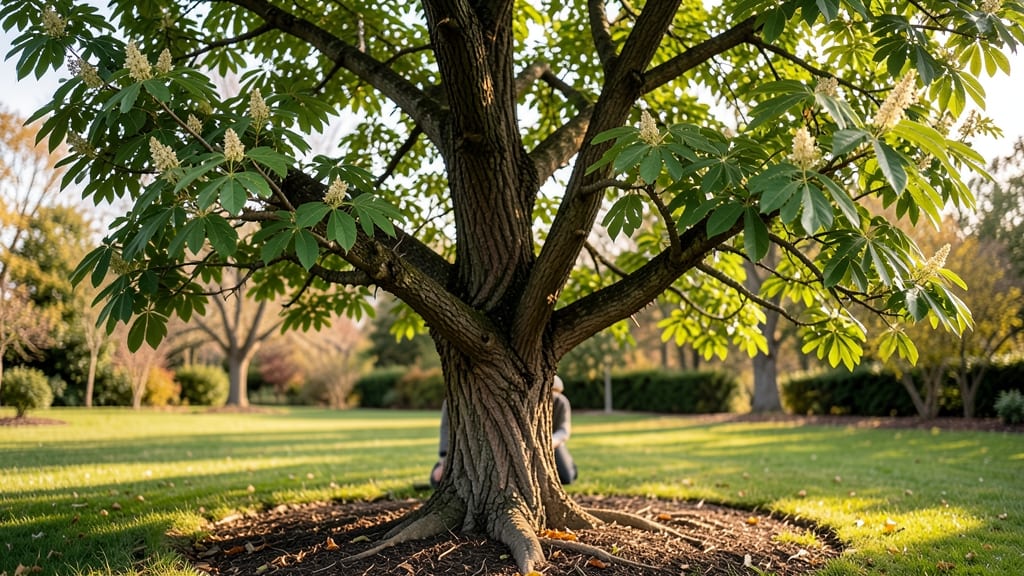
Locust tree height: species breakdown and growth patterns
When planning your garden or yard, understanding locust tree height is crucial for space management. These trees are known for their rapid growth and impressive stature, but not all varieties reach the same heights.
The black locust (Robinia pseudoacacia) and honey locust (Gleditsia triacanthos) are the most common types, each with distinct growth habits that impact how tall they grow.
The black locust is the fastest grower, often reaching 40–60 feet tall under ideal conditions. In contrast, the honey locust typically maxes out around 30–50 feet, with some dwarf varieties staying under 20 feet. These differences matter if you're working with limited space or need shade quickly.
Here’s where sunlight comes into play: Full-sun exposure (6+ hours daily) can double the growth rate of locust trees, pushing them toward their maximum height faster. In partial shade, their growth slows significantly, often resulting in shorter, bushier trees.
This makes sunlight a game-changer for anyone aiming to maximize height or control it.
Now, let’s break down the specifics for each species, including their mature heights, growth rates, and how sunlight affects their vertical expansion.
| Variety | Mature Height | Growth Rate (Annual) | Sunlight Needs | Height in 5 Years |
|---|---|---|---|---|
| Black Locust (Robinia pseudoacacia) | 40–60 ft | 3–5 ft/year | Full sun (6+ hours) | 15–25 ft |
| Honey Locust (Gleditsia triacanthos) | 30–50 ft | 2–4 ft/year | Full sun to partial shade | 10–20 ft |
| Dwarf Honey Locust | 15–20 ft | 1–2 ft/year | Full sun | 5–10 ft |
| Black Locust (Dwarf Cultivars) | 20–30 ft | 2–3 ft/year | Full sun | 8–12 ft |
Note: Growth rates vary based on soil quality, water, and sunlight. Pruning can further influence height.
The black locust is a powerhouse when it comes to height, often shooting up 3–5 feet per year in ideal conditions. This means a sapling can reach 15–25 feet in just 5 years, making it one of the fastest-growing shade trees.
If you’re in a hurry to fill space or create shade, this species is a top choice—but be prepared for its eventual 40–60-foot stature.
On the other hand, the honey locust grows more slowly, with an annual increase of 2–4 feet. While it still reaches 30–50 feet at maturity, its slower growth makes it a better fit for smaller yards or areas where you want to control its expansion.
The dwarf varieties are perfect for urban gardens or tight spaces, staying under 20 feet while still offering shade and beauty.
Sunlight is the deciding factor in how tall your locust tree will grow. Without 6+ hours of direct sunlight daily, these trees may grow 30–50% shorter and develop weaker trunks.
If you’re planting in a shady area, consider a dwarf cultivar or supplement with artificial grow lights to encourage vertical growth.
For those in USDA Zones 6–9, where locust trees thrive, the key to maximizing height is planting in the sunniest spot possible. Even a slight reduction in sunlight can stunt growth, so choose your location carefully.
If you’re unsure about your yard’s sunlight exposure, observe it throughout the day—especially during the peak summer months.
One final tip: Soil drainage also plays a role in height. Locust trees hate soggy soil, which can slow growth or even kill the tree. Amend heavy clay soil with compost or plant on a slight mound to ensure proper drainage.
This small adjustment can make a big difference in how tall your tree grows over time.
How sunlight doubles locust tree height: science and practical tips
Locust trees thrive on sunlight like no other shade tree—giving them 6+ hours of direct sun daily can double their mature height compared to partial shade. This isn’t just about aesthetics; sunlight triggers rapid vertical growth through photosynthesis, helping them reach 40–60 feet faster than you’d expect.
If you’re planting one in your yard, positioning matters more than you might think.
The black locust (Robinia pseudoacacia) and honey locust (Gleditsia triacanthos) both respond dramatically to sunlight. A tree in full sun might grow 3–5 feet per year in ideal conditions, while one in partial shade could stall at 1–2 feet annually.
That’s a 150% difference in height over a decade!
Here’s the science behind it: Sunlight boosts chlorophyll production, which fuels energy for growth. Trees in full sun also develop stronger trunks to support their height, reducing the risk of weak branches.
For best results, plant your locust tree in the southern or western side of your property where it can soak up morning to afternoon rays.
🌞 Sunlight’s Impact on Locust Tree Growth
- Full Sun (6+ hrs/day): 40–60 ft mature height, 3–5 ft/year growth
- Partial Shade (3–5 hrs/day): 20–30 ft mature height, 1–2 ft/year growth
- Deep Shade (<3 hrs/day): Stunted growth, weak branches, rarely exceeds 15 ft
💡 Pro Tip: Locust trees in full sun develop thicker bark and drought-resistant roots faster.
Seasonal sunlight adjustments can also maximize height. In spring and summer, when days are longest, your locust tree will grow the fastest. If you notice slower growth in late summer or fall, it might need more light—consider trimming nearby trees or relocating it to a sunnier spot.
Just avoid moving established trees; their roots are sensitive to disruption.
For urban gardeners, south-facing windows or rooftop gardens can work if you’re growing a dwarf variety, but standard locust trees need yard space. If your property is tight, opt for a honey locust with thorns, which naturally stays slightly shorter while still benefiting from full sun.
Always check local regulations before planting—some areas restrict fast-growing trees.
Don’t forget to monitor your tree’s canopy spread alongside height. A locust tree in full sun will also develop a wider crown, providing more shade but requiring 15–20 feet of clearance from structures.
Balance is key—let it stretch upward for that iconic towering look, but prune lower branches to maintain airflow and reduce disease risk.
🌳 By giving your locust tree the sunlight it craves, you’re not just growing a tree—you’re cultivating a living landmark that’ll dominate your landscape for decades. Just remember: patience pays off.
A 5-year-old locust tree in full sun might still be under 10 feet tall, but its rapid growth phase begins around year 7—when it starts its vertical sprint toward maturity.