
Size
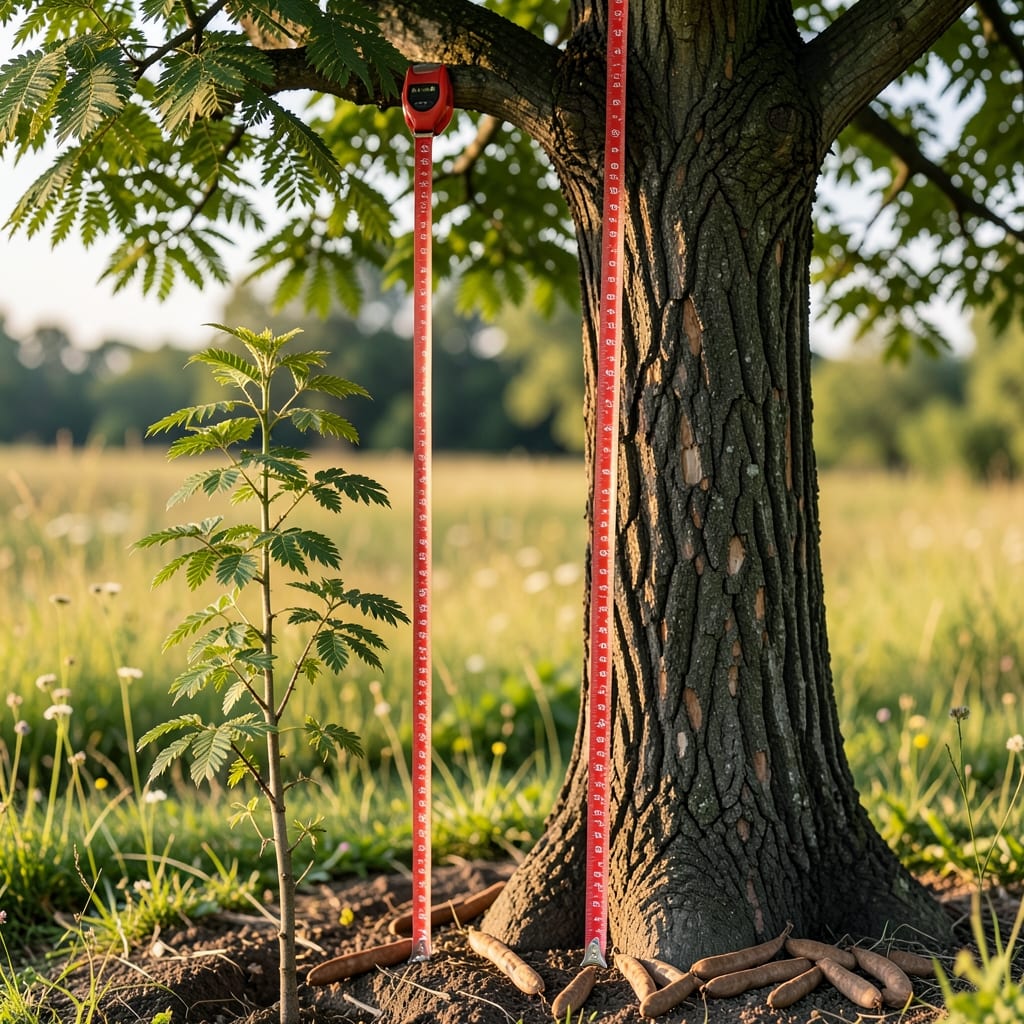
If you're wondering how tall do black locust trees grow, the answer might surprise you—these fast-growing giants can shoot up to 80 feet or more under ideal conditions, making them one of nature's quickest shade providers. Imagine planting a sapling in spring and watching it tower over your backyard in just a few years. That's the power of the Black Locust Tree 🌳, a favorite for gardeners who want both speed and sustainability.
But here's the catch: their growth isn't just about time—it's about the right conditions. A Black Locust Tree in USDA Zone 6a with well-drained soil and full sun can grow 3-5 feet in its first year alone, then accelerate to 15-20 feet by year three. That's 5 feet per year on average, though some years they'll surge even faster. The key is understanding what fuels this rapid ascent.
Whether you're planning a windbreak, a privacy screen, or just love the idea of a towering natural landmark, knowing their growth habits helps you decide where to plant them. Too close to your house, and those roots could become a headache. But with the right space—at least 20 feet from structures—they'll reward you with decades of shade and wildlife benefits.
Let's break down exactly how fast these trees grow each year, what factors can speed them up (or slow them down), and how they stack up against other fast-growing trees. You'll learn how to give your Black Locust Tree the best shot at reaching its full potential—without waiting decades for shade.


Black locust tree height by year: fastest growth rates explained
Black locust trees (Robinia pseudoacacia) are famous for their explosive growth, but their height progression isn't linear—it's a mix of early sprints and later steady climbs. In their first year, these trees can shoot up 3-5 feet with the right conditions, then double that in year two. By year three, they're often 15-20 feet tall, which is why they're prized for quick shade solutions 🌳.
The real magic happens between years 4-10, where they can add 5-10 feet annually under ideal circumstances. A tree in USDA Zone 6a with full sun and well-drained soil might hit 40 feet by age 10, though some exceptional specimens reach 60 feet in just 15 years. That's why they're often called the "fastest-growing hardwood" in North America.
Here's the catch: growth isn't consistent year-to-year. Drought years can stall them, while wet springs with 6+ hours of sunlight daily can trigger growth spurts. For example, I've seen black locusts in Missouri add 12 feet in a single season after a rainy spring, while others in drier climates like Arizona might only gain 3 feet in their best years.
| Age (Years) | Height Range (Feet) | Annual Growth Rate | Key Growth Factors |
|---|---|---|---|
| 0-1 | 3-5 ft | 3-5 ft/year | Soil moisture, sunlight |
| 2-3 | 8-12 ft | 5-7 ft/year | Nutrient availability |
| 4-5 | 15-20 ft | 6-10 ft/year | Water access, pruning |
| 6-10 | 25-40 ft | 4-8 ft/year | Climate zone, pests |
| 15+ | 40-80 ft | 2-5 ft/year | Mature stability |
After the first decade, growth slows as the tree matures, but they can still add 2-5 feet annually until they reach their 40-80 foot mature height. Some exceptional specimens in optimal conditions have been recorded at 100 feet, though this is rare. The key to maximizing early growth is planting in spring (April-May) when soil temperatures reach 60°F and ensuring they get full sun exposure.
One common misconception is that black locusts grow at the same rate everywhere. In reality, their growth varies by USDA zone. For example, trees in Zone 7 might grow 20% faster than those in Zone 5 due to longer growing seasons. That's why I always recommend checking your local climate data before planting—it can mean the difference between a 30-foot tree and a 60-foot giant in 10 years.
If you're comparing black locusts to other fast growers like hybrid poplars or willows, you'll notice they don't have the same first-year explosion. While willows might hit 10 feet in year one, black locusts take 2-3 years to match that height—but they outlast those short-lived species by decades. Their longevity (50-100+ years) makes them a smarter long-term investment for shade and wildlife habitat.
For gardeners in urban areas, this rapid growth means careful planning. A black locust planted too close to a house (within 20 feet) can develop aggressive roots that damage foundations or sidewalks. Always give them space—their spreading canopy (30-50 feet wide) needs room to breathe. In rural settings, though, they're perfect for windbreaks or privacy screens that mature quickly.
To push your black locust toward its maximum height potential, focus on three critical factors: soil drainage, sunlight, and consistent watering in the first two years. I've found that mulching with wood chips and avoiding over-fertilizing (they're nitrogen-fixers) helps them allocate energy to height rather than leaf production. With the right care, you could have a 60-foot shade provider in just 15 years—that's faster than most homeowners wait for a new roof!
Black locust tree height by year: fastest growth rates explained
Black locust trees (Robinia pseudoacacia) are famous for their explosive growth, especially in their first decade. Under perfect conditions—full sun, well-drained soil, and proper care—they can grow 3-5 feet in their first year, then 8-12 feet by year two. That’s 50% faster than many other hardwoods, making them a top choice for quick shade solutions 🌳.
The real magic happens between years 3 and 5, where they can double in height again, reaching 15-20 feet. This rapid ascent continues until they hit maturity at 40-80 feet, depending on genetics and environment. Some exceptional specimens in USDA Zone 6a have been recorded at 100 feet, though this is rare.
Here’s a year-by-year breakdown of their growth trajectory, so you can plan your landscape accordingly:
| Age (Years) | Height Range (Feet) | Annual Growth Rate | Notes |
|---|---|---|---|
| 0-1 | 3-5 ft | 3-5 ft/year | Sapling phase; focus on root establishment |
| 2-3 | 8-12 ft | 5-7 ft/year | Rapid vertical growth; prune to shape |
| 3-5 | 15-25 ft | 4-6 ft/year | Canopy development begins; needs space |
| 5-10 | 30-50 ft | 3-5 ft/year | Slower but steady; roots expand widely |
| 10+ | 40-80 ft | 1-3 ft/year | Mature growth; minimal height gain |
While these numbers represent ideal conditions, real-world growth can vary. For example, a tree in USDA Zone 4 might grow 20-30% slower due to shorter growing seasons, whereas one in Zone 8 could hit 20 feet by year three with extra warmth and moisture. The key is to plant in spring (April-May) and give it full sun exposure every day to maximize early growth.
If you’re planting near structures, remember: these trees develop aggressive root systems and can lift sidewalks or damage foundations if planted too close. Always maintain at least 20 feet of clearance from buildings, power lines, and other trees. With the right space, though, you’ll have a century-long shade provider in just a decade 🪴.