
Size
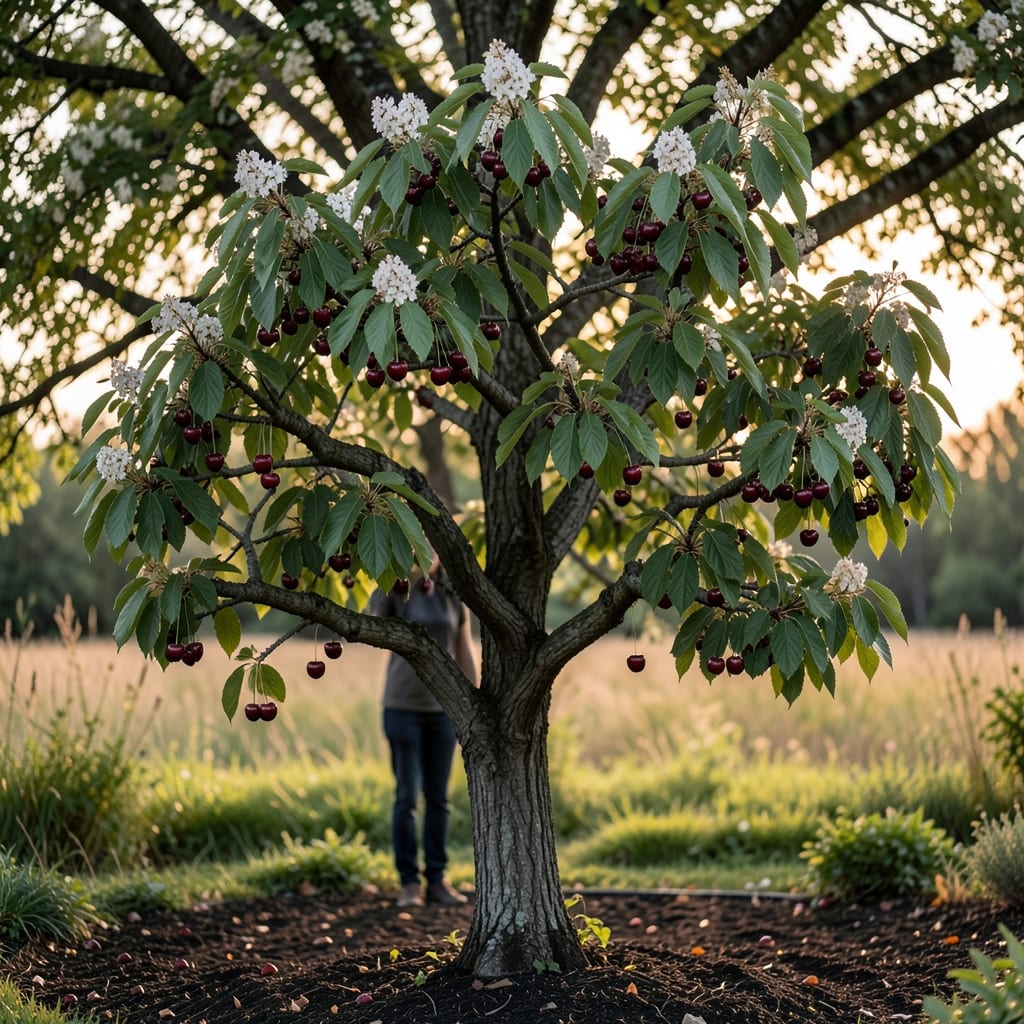
If you're eyeing a Black Cherry Tree 🌳 for your yard, you might be wondering just how tall these striking trees can grow—and whether they’ll outgrow your space faster than you think. The answer might surprise you, since these trees can reach heights of 40 to 65 feet at maturity, depending on growing conditions and variety.
Picture this: a towering Black Cherry Tree standing taller than a four-story building, its dark bark and glossy leaves adding drama to your landscape. But before you commit, it’s worth knowing how factors like pruning, soil quality, and climate can influence their growth rate and final height.
Whether you’re planning for a shady backyard retreat or a statement piece in your front yard, understanding these details is the first step. I’ll break down everything you need to know about managing their size—from pruning techniques to dwarf varieties—so you can make the best choice for your space.
Let’s dive into how tall your Black Cherry Tree could grow and how to keep it at your desired height without sacrificing its beauty or health.

Black cherry tree mature height: species variations and growth expectations
Black cherry trees, scientifically known as Prunus serotina, are native North American beauties that can grow into impressive giants. On average, these trees reach heights between 40 to 65 feet at maturity, with some exceptional specimens even exceeding 70 feet in ideal conditions. Their rapid growth rate—often 2 to 3 feet per year—means they can quickly become the centerpiece of your landscape.
The final height of your black cherry tree depends on several factors, including soil quality, climate zone, and available sunlight. In urban settings with limited space, these trees may grow more slowly due to restricted root systems, while rural areas with rich soil and ample room can produce towering specimens. Understanding these variables helps you set realistic expectations for your tree’s growth trajectory.
🌱
In USDA Zones 3-9, black cherry trees thrive, but their growth rate can vary significantly. For instance, in Zone 5, these trees may take 15-20 years to reach maturity, while in Zone 8, they can mature faster due to longer growing seasons. Always consider your local climate when planning for your tree’s eventual height, as colder regions may slow growth during winter months.
Another critical factor is root competition. In urban or suburban settings, black cherry trees often face competition from nearby structures, sidewalks, or other plants, which can stunt their growth. To encourage healthier, taller growth, plant your tree in an area with at least 10 feet of clearance from buildings and other obstructions. This gives roots the space they need to develop fully.
If you’re planting a black cherry tree in a smaller yard, don’t despair—there are ways to manage its height. While dwarf varieties are rare for black cherries, strategic pruning techniques can help keep the tree at a manageable size. For example, crown thinning and selective branch removal can reduce height by up to 30% over time without harming the tree’s overall health.
🌿
One common misconception is that black cherry trees grow at the same rate regardless of their location. However, trees planted in open, rural fields with nutrient-rich soil can grow 20-30% faster than those in urban environments. This is why many landowners in agricultural areas report black cherry trees reaching their mature height in as little as 15-20 years, compared to the 25-30 years it might take in a city setting.
For those concerned about the tree’s eventual size, consider planting it away from power lines and high-traffic areas. Black cherry trees develop a wide canopy, often spanning 30-50 feet in diameter, so spacing is just as important as height management. A well-placed tree can create a stunning focal point in your landscape while providing shade and wildlife benefits.
🌳
Finally, if you’re unsure about your tree’s growth potential, consult with a local arborist or nursery specialist. They can provide insights tailored to your specific soil type, microclimate, and yard layout. With the right guidance, you can enjoy the beauty of a black cherry tree while ensuring it fits seamlessly into your outdoor space.
How pruning affects black cherry tree height: techniques and timing
Pruning is one of the most effective ways to control the height of your Black Cherry Tree 🌳. When done correctly, it can reduce growth by up to 30-50% while maintaining the tree’s health and vitality. The key is timing—pruning at the right season and using the proper techniques ensures your tree stays at your desired height without stress.
For young black cherry trees, the best time to prune for height control is late winter or early spring, just before new growth begins. This allows the tree to heal quickly and directs energy toward stronger branches. Avoid pruning in fall or winter, as this can leave wounds vulnerable to disease and pests. Always use clean, sharp tools to make precise cuts just above a bud or branch collar.
🌱
- 🌿 Step 1: Assess the Tree – Examine branches for dead, diseased, or crossing limbs. Remove these first to improve airflow and reduce weight.
- 🪴 Step 2: Set Your Height Goal – Decide how tall you want the tree to be. Use a reference point (e.g., a fence or roof line) to guide your cuts.
- ✂️ Step 3: Prune for Structure – Remove 1/3 of the tallest branches to slow vertical growth. Focus on branches growing upward at a 45-degree angle or steeper.
- 🌡️ Step 4: Time It Right – Prune in late winter or early spring (February-March) for best results. Avoid pruning during summer or fall.
- 💧 Step 5: Water and Fertilize – After pruning, water deeply and apply a balanced fertilizer to support recovery.
One common mistake is pruning too aggressively, which can shock the tree and reduce fruit production. Black cherry trees produce edible cherries that attract wildlife, so avoid removing more than 25% of the canopy in a single session. For mature trees, spread pruning over 2-3 years to minimize stress. If your goal is to keep the tree under 20 feet, combine pruning with crown thinning to open the canopy and reduce overall height.
🌿
Seasonal timing is critical for pruning black cherry trees. Late winter pruning encourages vigorous spring growth, while summer pruning can stimulate new shoots but may reduce fruit quality. If you must prune in summer, do so in June or early July to allow time for new growth to harden before winter. Always sterilize your pruning tools with rubbing alcohol between cuts to prevent the spread of bacterial canker, a common disease in cherry trees.
For those with limited space, consider pollarding—a drastic pruning technique where you cut back branches to a stub. This method is best for mature trees and should only be done by a professional. Pollarding can reduce height by 50% or more but requires regular maintenance to keep the tree in check. If you’re unsure about advanced techniques, consult an arborist for personalized advice tailored to your tree’s age and health.
🌳
Remember, pruning isn’t just about reducing height—it’s also about improving tree health. Regular pruning removes deadwood, increases sunlight penetration, and reduces the risk of storm damage. With the right approach, your black cherry tree can remain a stunning yet manageable feature in your landscape for decades. Start small, observe how the tree responds, and adjust your pruning plan as needed to achieve your ideal height.