
Trees
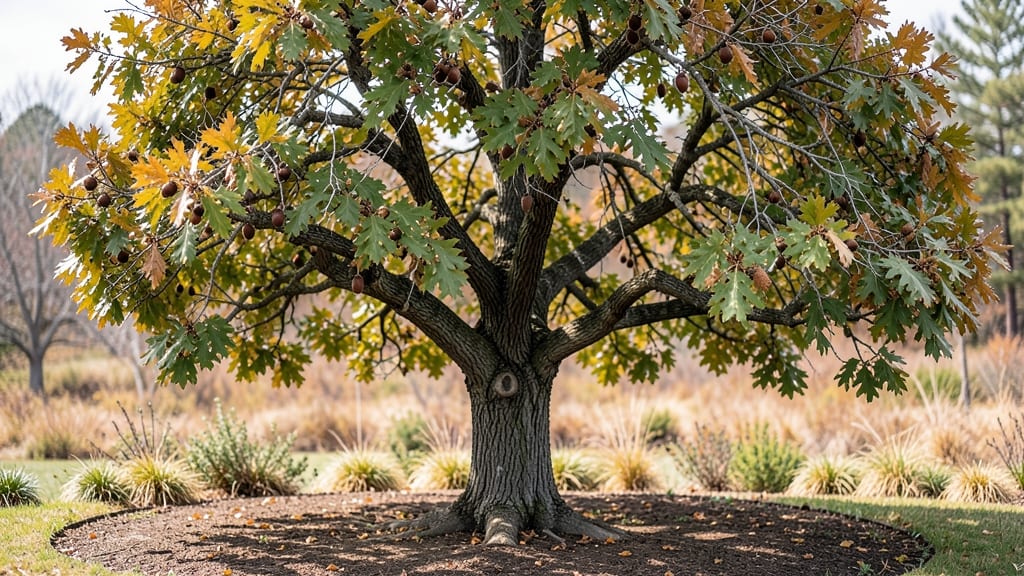
Pin oak tree height by age: growth rate timeline from seedling to maturity
If you're planting a pin oak tree (Quercus palustris), understanding its growth timeline helps you plan your landscape design. These trees start small but grow into majestic specimens over decades.
The first few years are crucial—they determine whether your tree will reach its full 50–80-foot potential or stay shorter due to environmental factors.
In their first year, pin oaks typically grow to just 2 feet tall, with slow but steady progress in the following years. By year 3, they usually reach 10 feet, and by year 10, they can tower over 30 feet.
However, growth rates vary based on soil quality, sunlight exposure, and regional climate.
Here’s a breakdown of how pin oak trees grow by age, including key milestones and factors that influence their height:
| Age (Years) | Average Height | Growth Rate | Key Factors |
|---|---|---|---|
| 0–1 | 2 ft | Slow | Establishing roots |
| 2–3 | 5–10 ft | Moderate | Sunlight and water |
| 5–10 | 15–30 ft | Fast | Full sun exposure |
| 15–20 | 30–50 ft | Steady | Soil drainage |
| 30–50 | 50–80 ft | Slow | Mature growth phase |
Pin oaks are known for their rapid growth in early years, especially when planted in well-drained, slightly acidic soil. However, growth slows significantly after 20 years as the tree matures.
In ideal conditions, some specimens can reach 80 feet within 50 years, while others may stay shorter due to limited sunlight or poor soil.
Regional climate plays a huge role. In the southern U.S., pin oaks often grow taller due to longer growing seasons, while in the northeast, they may mature more slowly. Always consider your local climate when planning for height.
If you’re planting near power lines or structures, monitor growth closely. Pin oaks can develop aggressive lateral branches if pruned improperly, which may require professional trimming to maintain safety and aesthetics.
One unique trait of pin oaks is their acorn production, which typically starts around 15–20 years. This not only adds to their ecological value but also signals that the tree is fully established and likely to reach its maximum height potential.
For gardeners in urban areas, pin oaks are a fantastic choice for shade and privacy, but their eventual size means careful planning is essential. Always research local regulations on tree height before planting near property lines.
🌳
Regional height differences: where pin oaks grow tallest (and shortest)
Pin oak trees (Quercus palustris) don’t grow the same height everywhere—soil quality, climate, and water availability create dramatic differences across the U.S. In the southern states, where humidity is high and summers are long, these trees often hit their maximum height of 70–80 feet.
The extra moisture fuels faster growth, especially in swampy or well-drained clay soils common in regions like Louisiana or Mississippi.
Meanwhile, in the Midwest, pin oaks typically reach 50–65 feet due to shorter growing seasons and cooler summers. States like Missouri or Illinois see slower height gains because of frequent drought stress and compacted soils.
Gardeners in these areas should prioritize deep watering to encourage vertical growth when possible.
In the Northeast, pin oaks max out at 45–60 feet, often struggling in rocky or acidic soils. The shorter stature here isn’t just about genetics—limited space and urban planting constraints also play a role.
If you’re in New England or the Mid-Atlantic, expect a more compact tree unless you provide ideal growing conditions like amended soil and consistent moisture.
| Region | Avg. Mature Height | Key Growth Factors | Best Soil Type |
|---|---|---|---|
| Southern U.S. (LA, MS, TX) | 70–80 ft | High humidity, long summers | Clay or loamy |
| Midwest (MO, IL, IN) | 50–65 ft | Cooler summers, drought risk | Well-drained loam |
| Northeast (NY, PA, NJ) | 45–60 ft | Rocky soil, shorter seasons | Sandy loam with compost |
Even within a region, microclimates matter. A pin oak planted near a pond or creek will grow 10–15 feet taller than one in a dry, urban lot due to natural irrigation.
If you’re in a drought-prone area, consider mulching heavily (3–4 inches of wood chips) to retain moisture and support taller growth over time.
For gardeners in cooler climates (USDA Zones 4–5), pin oaks may take longer to mature but still reach 50–60 feet with patience. The trade-off? Slower early growth means you’ll wait 5–10 years to see significant height gains compared to southern specimens.
Always check local climate data before planting—your pin oak’s future height depends on it!
Pro tip: If you’re planting near power lines or structures, choose a sunnier, moisture-rich spot to encourage slower, denser growth. This can help you nudge the tree toward the lower end of its height range while keeping it healthy.