
How To
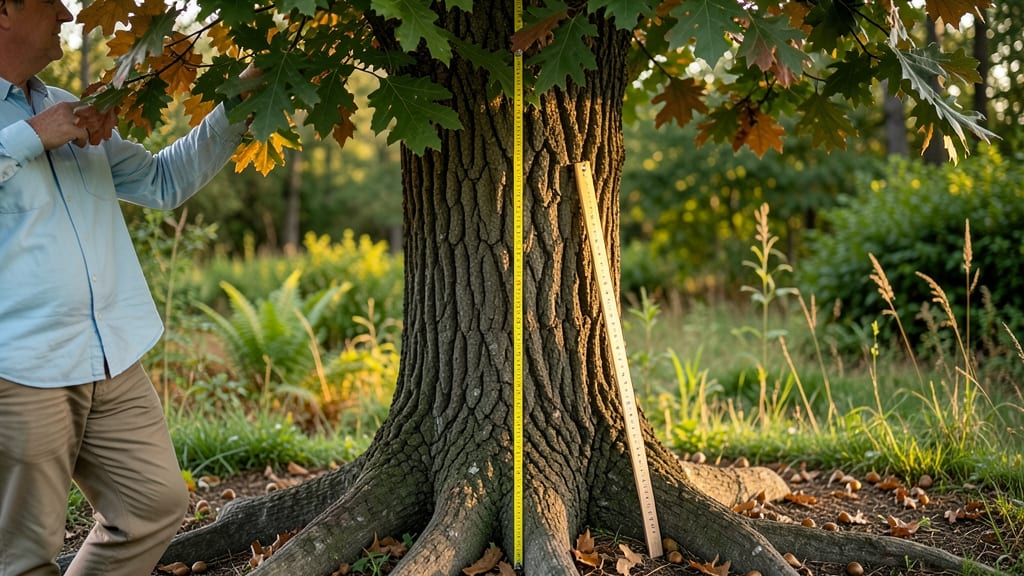
If you’ve ever wondered how tall does oak tree grow, the answer might surprise you—some varieties stretch taller than a 6-story building, while others fit neatly into suburban backyards. Planning to plant one? Knowing these heights helps you choose the perfect spot and avoid future headaches.
The fastest-growing oak tree species can reach 60–100 feet at maturity, but their growth speed varies. White oaks, for example, grow steadily at 1–2 feet per year, while red oaks can shoot up 3 feet annually under ideal conditions.
Your climate and soil play a huge role in how quickly—and how tall—they’ll grow.
For home gardeners, size matters. A 100-foot oak needs space, but dwarf varieties (like the pin oak) stay under 30 feet, making them perfect for smaller lots.
Whether you’re dreaming of a towering shade tree or a compact landscape feature, picking the right species is the key to long-term success.
Ready to make the right choice? I’ll break down the fastest-growing oaks by height, growth rate, and maintenance needs—so you can plant with confidence and enjoy your tree for decades to come.

Mature height ranges of fastest-growing oak tree species
Oak trees are iconic for their majestic height, but not all species grow to the same towering proportions. The fastest-growing oak varieties can reach 60–100 feet at maturity, while others stay compact enough for suburban yards.
Understanding these height ranges helps you choose the perfect oak for your space—whether you want a shade canopy or a statement tree.
Growth rates vary widely: some oaks add just 1–2 feet per year, while others surge 3–4 feet annually in ideal conditions. Climate, soil quality, and sunlight exposure all play roles in how tall your oak will grow.
For example, a white oak in a sunny, well-drained site may outpace one planted in dense clay soil.
Below, we compare 10 fastest-growing oak species by mature height, growth rate, and ideal growing conditions. This table helps you visualize which oaks thrive in your climate and property size—from dwarf varieties under 30 feet to giants that dwarf skyscrapers.
The Nuttall Oak is the fastest-growing oak, adding up to 3 feet per year and reaching 80 feet in ideal conditions. If you’re short on space, the Dwarf Chinkapin Oak stays under 20 feet, perfect for patios or small yards.
For a balance, the Pin Oak 'Columnare' grows vertically to 40 feet—ideal for narrow lots.
Climate matters too: Red Oaks thrive in cooler zones (4–8), while
How oak tree height affects planting and maintenance
Oak trees aren’t just about their impressive height potential—their mature size directly impacts how you plant, prune, and maintain them. A 100-foot white oak needs vastly different care than a 30-foot pin oak, from root space to sunlight access.
Let’s break down how height influences every stage of oak tree ownership.
First, consider root spread, which often matches or exceeds the tree’s height. A 60-foot oak can have roots stretching 50 feet wide, making it critical to plant at least 30 feet from structures like driveways or sidewalks.
Smaller species like the chinquapin oak (30–40 ft) offer more flexibility for suburban yards.
Your pruning strategy also shifts with height. Tall oaks require professional crown lifting every 5–10 years to maintain clearance for power lines or roofs. Dwarf varieties, like the dwarf bur oak, can be pruned annually with basic tools and a ladder.
Always prune in late winter to avoid stressing the tree during active growth.
Soil and sunlight play pivotal roles too. Deep, well-draining soil is non-negotiable for tall oaks, as their roots need oxygen to support massive canopies. If your yard has clay-heavy soil, amend with compost or plant a smaller variety like the swamp white oak (40–60 ft), which tolerates moisture better.
Sunlight exposure affects growth rate and health. Most oak species thrive with 6+ hours of direct sun, but taller varieties may need full sun (8+ hours) to reach their height potential. In shaded areas, opt for species like the pin oak, which adapts better to partial shade while still growing to 50–75 feet.
Here’s the kicker: height isn’t just about space—it’s about long-term planning. A 100-foot oak planted today could outlive your mortgage, so choose species that align with your property’s future development.
For example, a 30-foot x 30-foot yard is perfect for a chinquapin oak but too small for a white oak.
🌳
⚠️ Warning: Underestimating Root Spread
Planting an oak too close to your house or driveway can lead to root damage to foundations or cracked pavement as roots expand. Always measure twice the mature height for root spread before planting. For example, a 70-foot oak needs 140 feet of unobstructed root zone.
For urban gardens or small lots, consider pollarding taller oaks to control height while preserving their majestic form. This technique involves cutting branches back to a main trunk, encouraging new growth at a manageable level. Just be prepared for heavy pruning debris—oaks produce thick branches!
Finally, remember that height isn’t destiny. With proper care—pruning, watering, and soil maintenance—even a slow-growing oak can thrive in your space. Start small with a dwarf variety if needed, and let your oak grow into the landmark tree of your dreams.