
Plants
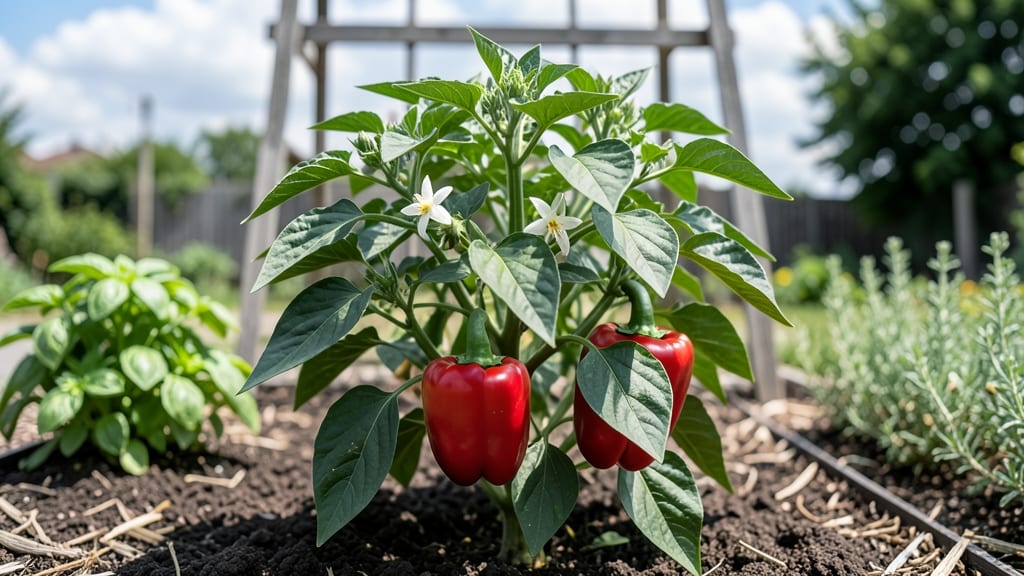
Wondering how tall do red bell pepper plants grow before they start crowding your garden? These vibrant 🌶️ plants typically reach 2-4 feet tall, but that doesn’t mean they’ll take over your space—especially if you choose the right varieties or use smart growing techniques.
For most gardeners in Zone 6a, red bell peppers grow best when planted in spring (April-May), and their height can vary depending on whether you’re growing standard varieties or compact types.
The key is knowing how to work with their natural growth habits to maximize your harvest without sacrificing space.
If you’re limited to containers or small gardens, you’ll love learning about space-saving varieties that stay under 2.5 feet tall. Plus, I’ll share tips on pruning and support systems to keep your plants thriving—even in tight spots. Let’s dive into how to grow these delicious peppers without the mess.
Whether you’re a beginner or a seasoned gardener, these insights will help you plan your layout, choose the best varieties, and ensure your red bell peppers grow strong and productive. Ready to make the most of your garden—no matter how small?

Average height of red bell pepper plants and space requirements
Red bell pepper plants typically reach a mature height of 2 to 4 feet, making them a manageable size for most gardeners. Their growth habit is bushy rather than vining, which means they spread outward rather than climbing upward.
This makes them ideal for both in-ground gardens and containers, as long as you account for their 18- to 24-inch spread at maturity.
If you're growing red bell peppers in a traditional garden, plan to space plants 18 to 24 inches apart in all directions. This spacing ensures good air circulation and reduces the risk of disease, while also giving each plant enough room to produce a healthy yield.
In containers, you’ll need pots that are at least 12 inches wide and deep to accommodate their root system and support growth.
Standard red bell pepper varieties tend to grow taller, often reaching the 3- to 4-foot mark, while compact or dwarf varieties stay shorter, around 1.5 to 2.5 feet. Choosing the right variety can make a big difference if you're working with limited space.
For example, 'Lunchbox' peppers are specifically bred to thrive in containers and stay under 2 feet tall, making them perfect for balconies or small patios.
One key factor that influences height is pruning and support. Without proper care, red bell pepper plants may grow taller and leggier, especially if they’re competing for sunlight.
Pruning the lower leaves and providing stakes or cages can encourage a more compact growth habit while also improving fruit production. This is particularly useful for container growers who want to maximize space.
Another consideration is soil and sunlight. Red bell peppers thrive in full sun (6+ hours daily) and well-draining soil. If your plants aren’t getting enough light, they may grow taller and spindly as they stretch toward the sun.
To prevent this, place your containers in the sunniest spot available and rotate them occasionally for even growth.
In my own garden, I’ve found that trellising or caging red bell pepper plants can actually reduce their overall height while increasing yield. By training the plants to grow upward, you free up valuable ground space for other crops.
Plus, it makes harvesting those heavy red peppers much easier on your back!
Red Bell Pepper Growth Summary
| Category | Details |
|---|---|
| Mature Height | 2–4 feet (standard varieties) |
| Dwarf Varieties | 1.5–2.5 feet (e.g., 'Lunchbox') |
| Spread | 18–24 inches (bushy habit) |
| Container Size | Minimum 12" wide & deep |
| Spacing (In-Ground) | 18–24" apart in all directions |
| Sunlight Needs | 6+ hours of direct sun daily |
If you’re growing red bell peppers in containers, don’t forget to fertilize regularly to support their growth. Use a balanced fertilizer (10-10-10) every 4-6 weeks during the growing season. This helps ensure your plants have the nutrients they need to stay compact and productive, even in limited space.
Over-fertilizing can lead to excessive foliage growth, which may make the plants taller and less stable.
For those with very limited space, consider growing bush-type red bell peppers like 'Jupiter' or 'Shishito'. These varieties are bred to stay under 2 feet tall and produce abundant peppers without taking up much room.
They’re also great for balcony gardens or even windowsill growing if you provide enough light.
One common mistake I see is underestimating the spread of red bell pepper plants. Even if they’re not tall, their wide bushy habit means they’ll need plenty of horizontal space.
If you’re growing multiple plants in containers, space them at least 12 inches apart to prevent overcrowding, which can lead to poor air circulation and disease.
To summarize, red bell pepper plants typically grow 2 to 4 feet tall, but with the right variety and care, you can easily grow them in containers or small gardens.
Whether you choose a standard variety or a compact one, proper spacing, sunlight, and support will help you get the most out of your plants—without sacrificing space for other garden favorites. 🌶️
Average height of red bell pepper plants and space requirements
Red bell pepper plants typically reach a mature height of 2 to 4 feet, making them a manageable size for most gardens. Their bushy growth habit means they spread wider than they grow tall, which is great news if you're working with limited vertical space.
Understanding these dimensions helps you plan spacing for optimal air circulation and sunlight exposure.
In traditional garden beds, these plants need about 18 to 24 inches of space between each plant to thrive. This spacing prevents overcrowding, which can lead to disease and reduced yields.
If you're growing them in containers, you can space them slightly closer—around 12 to 18 inches apart—since containers often have better drainage and airflow.
🌱 Did You Know? Red bell peppers are indeterminate growers, meaning they continue producing flowers and fruit throughout the growing season. Their height can vary based on variety, with some reaching closer to 3 feet while others may stretch toward 4 feet with proper care.
| Category | Details |
|---|---|
| Mature Height | 2–4 feet |
| Spacing (Garden Beds) | 18–24 inches apart |
| Spacing (Containers) | 12–18 inches apart |
| Growth Habit | Bushy, indeterminate |
| Container Size | 5-gallon minimum |
When planning your garden layout, consider the container size if you're growing in pots. A 5-gallon container is the minimum recommended size for one plant, but larger containers (like 7 gallons) give roots more room to spread, supporting healthier growth.
If you're growing multiple plants in one container, ensure each has enough space to avoid competition for nutrients.
For those with vertical space constraints, you can train your red bell pepper plants to grow upward using trellises or cages. This technique not only saves space but also improves air circulation around the plants, reducing the risk of fungal diseases.
Just be sure to provide sturdy support early in the growing season to avoid damaging the stems as the plants mature.
Finally, remember that dwarf varieties exist if you're working with extremely limited space. These compact plants can reach heights of just 1.5 to 2.5 feet, making them perfect for balconies, patios, or small gardens. Always check the specific variety’s description to confirm its mature height before planting.
With the right spacing and support, your red bell pepper plants will thrive and produce a bountiful harvest—no matter how small your garden may be! 🌶️