
How To
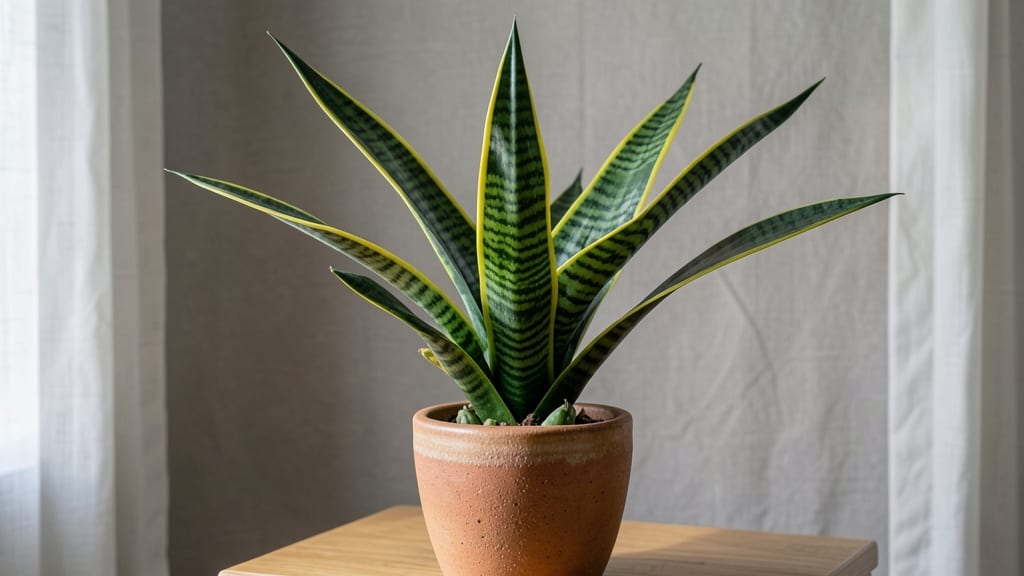
Wondering how tall do Sansevieria grow before they become unruly giants in your space? The answer depends entirely on the variety you choose, with some staying compact like a tabletop centerpiece while others stretch toward the ceiling like architectural statements.
If you're working with limited space, don't worry—there are plenty of Sansevieria varieties that max out at just 2 feet, perfect for shelves, desks, or even bathrooms. These slow-growing plants are famous for their adaptability, thriving in everything from dim corners to bright windows.
But here's the twist: with the right care, even taller varieties can be managed. I'll show you how to control their height through simple techniques like proper lighting and occasional pruning—so you get the dramatic look without the space commitment.
Whether you're a beginner or a seasoned plant parent, you'll discover which varieties stay small, which ones need more room to shine, and how to keep them looking their best year after year. Let's dive in!

Sansevieria height guide: from dwarf to towering varieties
Sansevieria, or snake plants, are famous for their versatile heights, ranging from compact tabletop plants to floor-filling giants. The key to managing their size lies in understanding specific varieties and their growth habits.
Some stay under 2 feet tall, while others can reach 6 feet or more—but don’t worry, even the tallest varieties grow slowly. Let’s break down what to expect based on the species and cultivar you choose.
Most Sansevieria varieties fall into three height categories: dwarf (under 2 feet), medium (2-4 feet), and tall (4+ feet). Your choice depends on your space and style.
For example, the 'Hahnii' variety stays small and bushy, perfect for shelves, while 'Futura Superba' can grow over 6 feet tall in ideal conditions. Understanding these differences helps you pick the right plant for your home or office.
Here’s a quick height comparison to set expectations before diving deeper. Whether you love petite plants or statement-making giants, there’s a Sansevieria for every space.
Sansevieria Height Guide
| Variety | Mature Height | Growth Rate | Best For |
|---|---|---|---|
| Sansevieria 'Hahnii' (Bird's Nest) | 1-2 ft | Slow | Shelves, desks |
| Sansevieria 'Black Gold' | 2-3 ft | Moderate | Tabletop displays |
| Sansevieria 'Laurentii' | 3-4 ft | Slow to moderate | Corners, floor plants |
| Sansevieria 'Futura Superba' | 4-6 ft | Moderate | Large rooms, hallways |
| Sansevieria 'Moonshine' | 2-3 ft | Slow | Bright spaces, offices |
The 'Hahnii' variety is the smallest Sansevieria, often called the Bird’s Nest snake plant. It grows in a rosette shape and rarely exceeds 2 feet tall, making it ideal for desks or shelves.
Its slow growth means you won’t need to prune it often, but it does appreciate bright, indirect light to stay compact. If you’re short on space, this is the perfect choice.
On the other end of the spectrum, 'Futura Superba' is one of the tallest Sansevieria varieties, reaching heights of 6 feet or more in ideal conditions. This variety grows upright and slender, making it a statement plant for large rooms or hallways.
If you love dramatic foliage, this cultivar delivers—but it requires more space and occasional pruning to control its height.
Most Sansevieria varieties grow at a slow to moderate pace, meaning they won’t outgrow your space overnight. However, factors like light exposure, pot size, and fertilizer use can influence how tall they become.
For example, placing your plant in low light can cause it to stretch and grow leggy, while bright indirect light encourages bushier, healthier growth. Always choose a pot with drainage holes to prevent root rot, which can stunt growth.
If you’re unsure which Sansevieria height suits your space, consider starting with a medium-height variety like 'Laurentii'. It grows to about 3-4 feet tall and has striking yellow-edged leaves, making it a versatile choice for both homes and offices.
Plus, its slow growth rate means it won’t overwhelm your decor quickly.
For outdoor gardens, taller varieties like 'Futura Superba' can thrive in USDA zones 9-11, where they can reach their full height. In cooler climates, you’ll need to bring them indoors during winter or grow them in containers.
Always ensure they have well-draining soil to prevent root issues, which can slow down growth.
One common misconception is that all Sansevieria plants grow tall. In reality, many stay under 2 feet if given the right
Sansevieria height guide: from dwarf to towering varieties
Sansevieria, or snake plants, offer a stunning range of heights depending on the variety. Some stay small enough for shelves, while others can reach tall as a ceiling fan.
Understanding these differences helps you choose the perfect plant for your space. Most varieties grow slowly, so patience is key when planning their placement.
If you're working with limited space, dwarf varieties like 'Hahnii' (Bird's Nest) top out at just 12-18 inches. These are ideal for offices, desks, or window sills.
On the opposite end, 'Futura Superba' can grow up to 10 feet tall—making it a dramatic statement piece for large rooms or outdoor gardens.
🌱 Sansevieria Height Comparison
| Variety | Mature Height | Growth Rate | Best For |
|---|---|---|---|
| 'Hahnii' | 12-18" | Slow | Desks, shelves |
| 'Black Gold' | 2-3 ft | Moderate | Apartments, offices |
| 'Laurentii' | 3-4 ft | Slow | Living rooms, hallways |
| 'Futura Superba' | 6-10 ft | Fast | Outdoor gardens, large interiors |
Most Sansevieria varieties take years to reach maturity. For example, a 'Laurentii' might only grow 1-2 inches per year, while 'Futura Superba' can add up to 12 inches annually under ideal conditions. This slow growth makes them perfect for beginners—you won’t need to prune them often.
Light exposure plays a crucial role in height. Plants in bright indirect light tend to grow taller and straighter, while those in low light stay shorter and bushier.
If you notice your snake plant stretching toward a window, it’s likely searching for more light. Rotating the pot occasionally helps maintain even growth.
For outdoor growers, USDA Zone 9-11 varieties can thrive year-round, reaching their full height potential. In cooler climates, treat them as houseplants during winter to prevent stunted growth. Even indoors, they adapt well to low-light conditions, making them versatile for almost any room.
Remember, the pot size also affects height. A cramped root system encourages upward growth, while a larger pot promotes bushier, wider foliage. If you want a compact plant, choose a pot that’s only slightly larger than the root ball—this helps control vertical growth.