
Plants
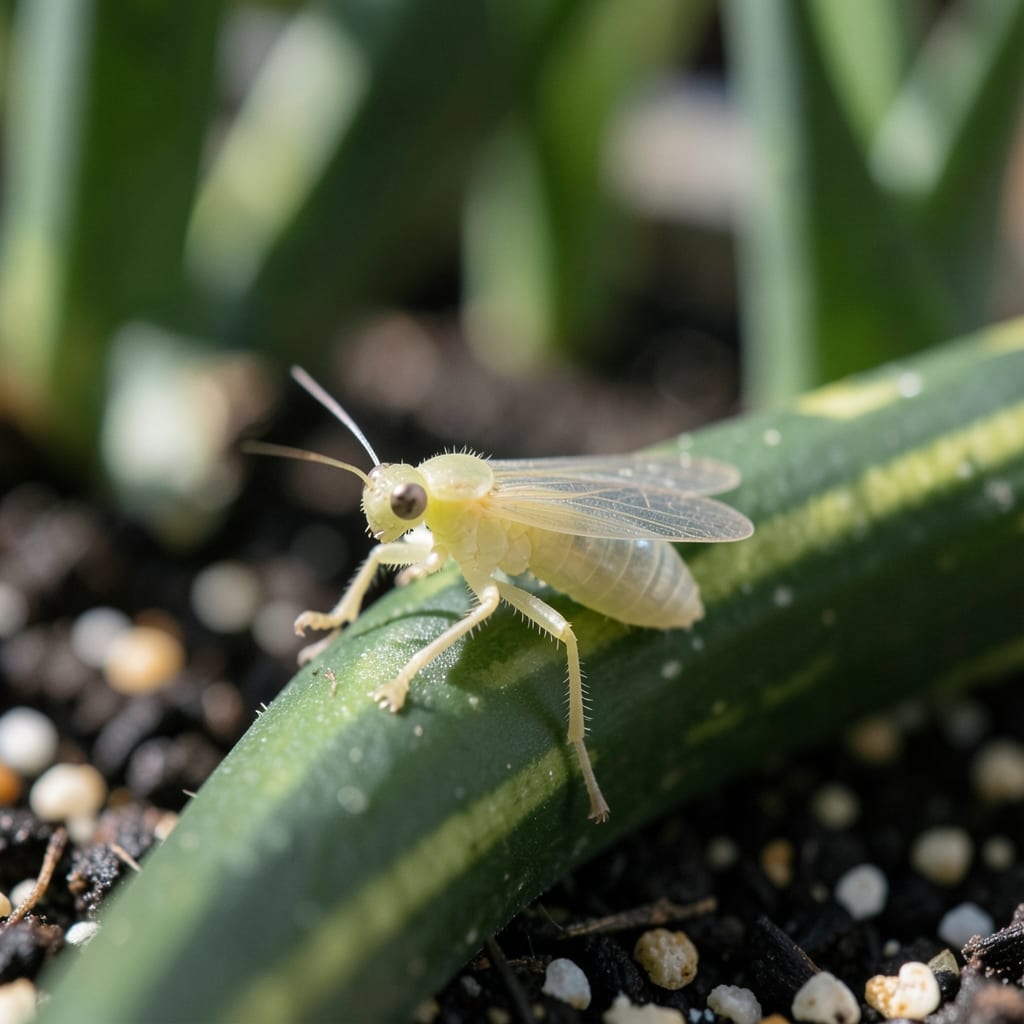
If you're asking "how much light for a snake plant", you're already on the right track to keeping this resilient 🌱 thriving with minimal effort. Snake plants are famous for surviving in less-than-ideal conditions, but did you know they actually grow best with the right balance of light?
Too little light and your plant might stretch awkwardly toward any available source, while too much direct sun can scorch those gorgeous upright leaves. The good news? This hardy plant adapts well to most indoor environments, making it perfect for beginners or busy plant parents.
In this guide, I'll show you exactly how to identify the perfect spot in your home—whether it's a bright corner or a dim office—and what to watch for when your snake plant starts telling you it's happy (or not). You'll learn how to avoid common mistakes that lead to yellowing leaves or stunted growth.
By the end, you'll know exactly where to place your snake plant for optimal growth, so it keeps looking lush and healthy year-round. Let's get started!

Ideal light requirements for snake plant growth and health
Snake plants (Sansevieria) are famous for their low-maintenance nature, but even they need the right light conditions to flourish. Unlike sun-hungry succulents, they thrive in bright indirect light, making them perfect for busy households. Too little light slows growth, while too much can scorch those striking arching leaves. Let’s break down the perfect balance for your snake plant’s health.
Most snake plants do well with 2-4 hours of indirect light daily. This could be a spot near a north-facing window or a few feet from an east or west-facing one. If your home has low natural light, don’t worry—snake plants adapt well to fluorescent or LED lighting, making them ideal for offices or basements. The key is avoiding direct afternoon sun, which can cause leaf burn.
Bright indirect light is the sweet spot for snake plants. Place them where they get dappled sunlight or filtered light, like under a sheer curtain. If you notice leaves stretching toward the light (a sign of etiolation), it’s time to move them closer to a brighter spot—or supplement with a grow light for 6-8 hours daily.
Direct sunlight, especially south-facing windows, can be harmful. Leaves may develop brown tips or yellow patches as a result of sunburn. If your snake plant is near a sunny window, rotate its pot every few weeks to ensure even growth and prevent uneven exposure.
Here’s a quick rule of thumb: If your snake plant’s leaves are dark green and upright, it’s happy. If they’re pale or leaning, it needs more light. If they’re yellowing or crispy, it’s getting too much sun. The goal is to mimic their natural shaded underbrush habitat in African savannas.
For those with limited natural light, a simple LED grow bulb (10,000-15,000 Kelvin) can work wonders. Position it 6-12 inches above the plant for 8-10 hours daily. This mimics bright indoor conditions and keeps your snake plant thriving even in dim corners.
Snake plants are incredibly adaptable, but their growth speed depends on light exposure. In bright indirect light, you’ll see new leaves emerge every few months. In low light, growth slows dramatically, but the plant won’t die—it’ll just survive. This makes them perfect for forgetful plant parents or spaces with inconsistent lighting.
Pro tip: If you’re unsure about your home’s light levels, use a light meter app (like "Light Meter" for smartphones) to measure foot-candles. Snake plants thrive in 100-500 foot-candles. Below 100? Supplement with a grow light. Above 1,000? Move them away from the window.
Remember, snake plants are air-purifying powerhouses, but they can’t do their job well if they’re struggling. By giving them the right light balance, you’ll enjoy lush, healthy foliage and cleaner indoor air for years to come. 🌱
Ideal light requirements for snake plant growth and health
Snake plants (Sansevieria) are famous for their low-light tolerance, but that doesn’t mean they’ll thrive in complete darkness. The key is finding the sweet spot between bright indirect light and low-light conditions. Too little light slows growth, while too much causes leaf scorch. Let’s break down the perfect balance for your snake plant’s light needs.
In nature, snake plants grow under dappled sunlight in African savannas, where they’re shielded from harsh rays. Recreate this by placing your plant near a north-facing window or a few feet away from a south- or west-facing window. This mimics their natural habitat without risking leaf burn from direct sun.
| Light Condition | Ideal Placement | Growth Impact | Leaf Color |
|---|---|---|---|
| Bright Indirect Light | 3-5 ft from east/west window | Fastest growth, upright leaves | Deep green with variegation |
| Low Light (Fluorescent) | Office, bathroom, or dim corner | Slow growth, compact shape | Solid green, less vibrant |
| Direct Sunlight | South-facing window (no filter) | Leaf scorch, stunted growth | Yellow/brown tips |
| Artificial Grow Lights | 12-14 inches below LED | Healthy growth, uniform color | Bright green with variegation |
If your snake plant is in bright indirect light, you’ll notice taller, upright leaves with vibrant variegation. This is the ideal growth zone for most varieties like 'Laurentii' or 'Futura Superba'. Rotate your plant every 4-6 weeks to ensure even growth, as they’ll lean toward the light source.
For low-light conditions, like a north-facing window or office space, your snake plant will survive but grow slower. Expect shorter, thicker leaves with less striking patterns. This is perfect for beginner gardeners or small apartments with limited natural light.
Avoid placing your snake plant in direct sunlight, especially during peak hours (10 AM–4 PM). The leaves can develop brown, crispy edges from sunburn, which ruins the plant’s aesthetic. If you notice this, move it further from the window or add a sheer curtain as a filter.
Pro tip: Snake plants can also thrive under fluorescent or LED grow lights for 12-14 hours daily. This is a game-changer for windowless rooms or winter months when natural light is scarce. Just keep the bulb 12-18 inches away to prevent leaf bleaching.