
Trees
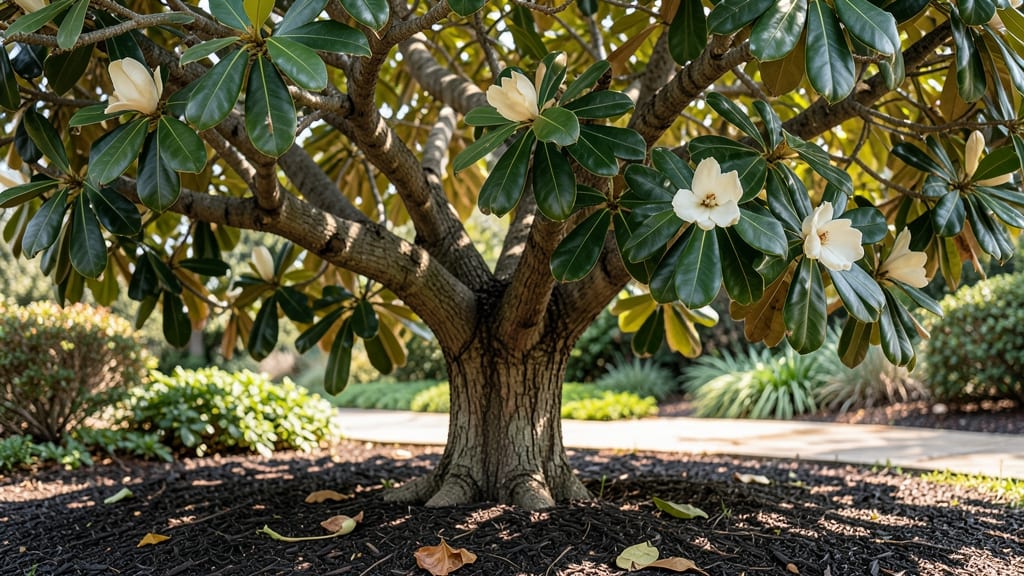
Southern magnolia tree height by mature Zone: what to expect
When planning for a Southern magnolia (Magnolia grandiflora), its mature height is the first question on every gardener’s mind. These trees are famous for their towering presence, often reaching heights that dwarf most other landscape plants.
On average, a mature Southern magnolia can grow between 60 to 80 feet tall, with some exceptional specimens surpassing 100 feet in ideal conditions. Their spread is equally impressive, typically matching their height at 40 to 60 feet wide.
The tree’s growth rate is another critical factor. In their first decade, Southern magnolias grow relatively slowly—about 1 to 2 feet per year.
However, once they reach maturity (around 20 to 30 years old), their growth rate can accelerate, especially in USDA Zones 8 to 10, where they thrive. Understanding these growth patterns helps you anticipate how quickly your tree will fill out its space.
🌳
| USDA Zone | Mature Height Range | Growth Rate (First 10 Years) | Notes |
|---|---|---|---|
| 7 | 40–60 ft | 0.5–1 ft/year | Slower growth due to cooler temps |
| 8 | 50–70 ft | 1–2 ft/year | Ideal balance of warmth and humidity |
| 9 | 60–80 ft | 1.5–2.5 ft/year | Faster growth in optimal conditions |
| 10 | 70–100+ ft | 2–3 ft/year (young trees) | Tropical climates accelerate growth |
If you live in Zone 7, expect your Southern magnolia to grow more slowly, reaching its mature height over a longer period. In contrast, gardeners in Zones 9 and 10 can enjoy rapid growth, with trees hitting 50 feet in as little as 20 years.
This variation is why choosing the right location—and understanding your local climate—is crucial for planning.
Another key consideration is the tree’s canopy shape. Southern magnolias develop a broad, rounded crown that provides ample shade once mature. This makes them excellent choices for landscaping near homes, where their shade can reduce cooling costs.
However, their size also means they’re best planted far from structures, power lines, or sidewalks to avoid future conflicts.
For those in cooler microclimates within Zone 7, growth may be even slower, but with proper care—like mulching and winter protection—your tree can still thrive. In these areas, expect a more compact stature, with heights closer to 40 to 50 feet over time.
Always check local microclimates, as urban areas or coastal regions can offer warmer conditions than rural inland zones.
🌿
One common misconception is that Southern magnolias grow uniformly across all regions. In reality, their height and growth rate can vary significantly based on soil quality, water availability, and sunlight exposure.
For example, a tree planted in well-draining, slightly acidic soil with full sun will outpace one struggling in compacted or alkaline soil. This is why soil testing before planting can give you a head start on optimizing growth.
If you’re planting a Southern magnolia in a smaller yard or urban setting, consider spacing it at least 30 to 40 feet away from buildings or other structures. This ensures the tree has room to grow without becoming a hazard.
In larger landscapes, you can push this distance to 50 feet or more to accommodate its full mature size.
Finally, remember that pruning can influence height, though it’s not typically used to drastically reduce the size of a Southern magnolia. Pruning is usually done for safety, shape, or to remove deadwood.
Over-pruning can stress the tree and slow its growth, so it’s best to prune lightly and only when necessary. For most gardeners, the goal is to enjoy the tree’s natural grandeur while managing its growth through thoughtful placement and care.
✂️
Southern magnolia tree height by mature Zone: what to expect
Southern magnolias (Magnolia grandiflora) are nature’s grandest statement trees, reaching heights that can dwarf even the tallest homes. On average, these majestic trees grow between 60 to 80 feet tall at maturity, though some specimens in ideal conditions can exceed 100 feet.
Their growth rate is slow but steady, with the most dramatic height gains occurring between ages 10 and 30. Understanding how your local climate affects their growth will help you plan for long-term landscaping success.
In USDA Zones 8–10—their preferred range—they thrive, reaching their full potential height. However, in cooler zones like Zone 7, growth slows significantly, often capping at 40–60 feet due to shorter growing seasons.
If you’re in Zone 6 or below, expect stunted growth unless you provide winter protection, like mulching or windbreaks. Always check your local frost dates to time planting for the best results.
🌳
Southern Magnolia Height by USDA Zone
| Zone | Mature Height | Growth Rate | Notes |
|---|---|---|---|
| 7 | 40–60 ft | Slow | Needs winter protection |
| 8 | 50–70 ft | Moderate | Ideal for coastal areas |
| 9–10 | 60–100+ ft | Fastest | Full sun required |
🌱 Height varies based on soil, sunlight, and pruning practices.
If you’re planting near power lines or structures, consider the canopy spread, which can reach 25–40 feet wide. This means your magnolia will need ample space to avoid overcrowding other plants or becoming a maintenance headache.
Always measure your yard before planting—these trees aren’t just tall; they’re wide too!
For those in urban areas with limited space, don’t despair. Dwarf varieties like Little Gem or Bracken’s Brown Beauty offer the same fragrant blooms and glossy leaves but stay under 20–40 feet tall. These compact options let you enjoy the beauty of magnolias without sacrificing your yard’s functionality.
Pruning young trees can also influence height. If you want a shorter, bushier tree, prune the central leader (the main upward-growing branch) in early spring. This encourages lateral growth, reducing the tree’s eventual height by 10–20 feet.
Just remember: pruning is most effective when done before new growth begins in late winter or early spring.
🌿