
How To
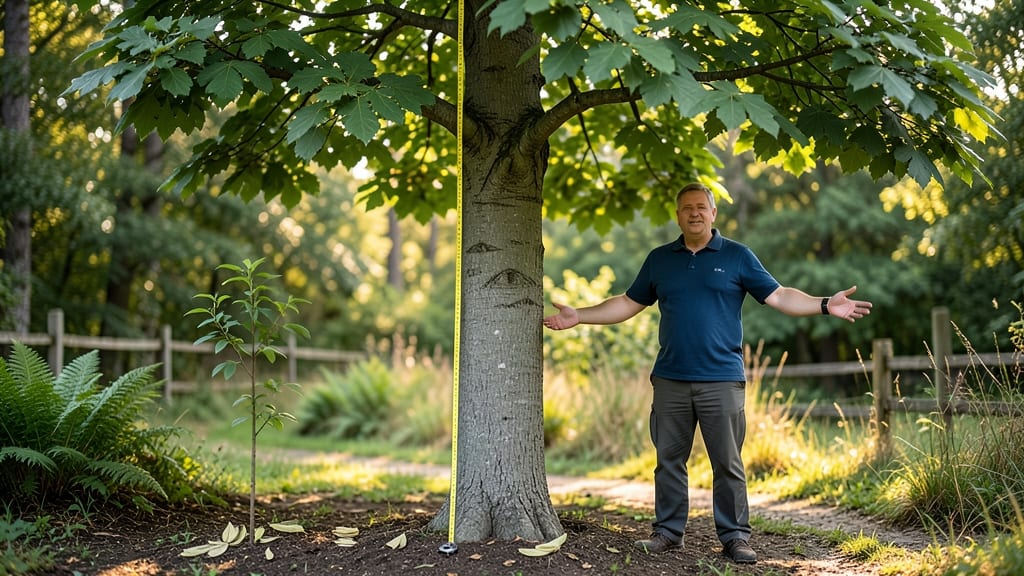
Wondering how tall does an ash tree grow before it becomes a towering giant in your yard? If you're planning to plant one, knowing the mature height of different ash varieties is the first step to avoiding surprises down the road.
The answer varies—some ash trees 🌳 can reach heights of 60 to 80 feet, while others grow more modestly. Whether you're dreaming of quick shade or a long-term landscape investment, understanding these differences helps you pick the perfect fit for your space.
Fast-growing species like white ash or green ash can shoot up 3 to 5 feet per year, making them ideal for those who want shade sooner rather than later.
But before you plant, consider your property size and how much room you can realistically dedicate to a tree that could one day stretch taller than your house.
In this guide, I’ll break down the fastest-growing ash varieties, their mature heights, and the key factors that influence how big they’ll get. Let’s get started!

Mature heights of common ash tree varieties compared
When planning your landscape, understanding the mature height of ash trees is essential—especially if you're balancing aesthetics with available space. Ash trees are known for their impressive stature, but varieties differ significantly in height, from 40-foot compact types to towering 80-foot giants.
Let's break down the most common species to help you choose the perfect fit for your yard.
Ash trees belong to the Fraxinus genus, and their height varies widely depending on the species. Some, like the green ash, are faster growers and reach maturity quicker, while others, like the white ash, take longer but grow taller.
Knowing these differences ensures you select a tree that aligns with your long-term vision for your outdoor space.
Here’s a quick comparison of the most popular ash tree varieties and their mature heights, along with key characteristics to consider before planting:
| Variety | Mature Height (ft) | Growth Rate (ft/year) | Best For | Notes |
|---|---|---|---|---|
| White Ash (Fraxinus americana) | 60-80 ft | 1-2 ft | Large properties, shade | Slow-growing, strong wood, susceptible to emerald ash borer |
| Green Ash (Fraxinus pennsylvanica) | 40-60 ft | 2-3 ft | Urban areas, wetlands | Fast-growing, adaptable, prone to disease |
| Black Ash (Fraxinus nigra) | 40-50 ft | 1-1.5 ft | Swamps, native gardens | Slow-growing, unique bark, endangered in some regions |
| Blue Ash (Fraxinus quadrangulata) | 50-70 ft | 1.5-2 ft | Dry soils, parks | Drought-tolerant, four-angled branches |
| Patton Ash (Fraxinus oxycarpa) | 40-50 ft | 2-3 ft | Small yards, street trees | Compact, resistant to emerald ash borer |
The white ash is the tallest variety, often reaching heights of 70-80 feet in ideal conditions, making it a stunning but space-demanding choice for large estates or parks.
If you're working with a smaller yard, the Patton ash or green ash are excellent alternatives, topping out around 40-50 feet while still providing ample shade.
For gardeners in urban areas or regions with wet soils, the green ash is a popular pick due to its adaptability and faster growth rate.
However, be aware that green ash trees are more susceptible to diseases like ash dieback and pests like the emerald ash borer, which can shorten their lifespan.
If you're planting ash trees for woodworking or firewood, the white ash and black ash are prized for their durable, high-quality wood. Black ash, in particular, is valued for its unique bark and resistance to rot, though it’s slower-growing and often found in native habitats.
Before planting, always check local regulations, as some ash species are protected or restricted in certain areas due to invasive pests or conservation efforts. Additionally, consider the root spread—ash trees can develop roots up to 30-50 feet wide, so maintain a safe distance from sidewalks, driveways, and foundations.
🌳
Mature heights of common ash tree varieties compared
Ash trees are among the most majestic shade trees, but their mature height can vary dramatically depending on the species. If you're planning to plant one in your yard, understanding these differences will help you choose the right fit for your space.
Some varieties reach 80 feet or more, while others stay slightly shorter—though none are considered "dwarf" options.
Before selecting an ash tree, consider your property's size and layout. A white ash or green ash in a small urban yard could quickly outgrow its welcome, while a black ash might be a better choice for wetter soils.
Let’s break down the height ranges and growth habits of the most popular ash species to help you decide.
| Variety | Mature Height (ft) | Growth Rate (ft/year) | Space Needs |
|---|---|---|---|
| White Ash | 60-80 ft | 1.5-2 ft | Large yard (50+ ft clearance) |
| Green Ash | 50-70 ft | 2-3 ft | Moderate yard (40+ ft clearance) |
| Black Ash | 40-60 ft | 1-1.5 ft | Wetland or large property |
| Blue Ash | 50-75 ft | 1.5-2.5 ft | Spacious yard (50+ ft clearance) |
The green ash stands out as the fastest-growing option, adding 2-3 feet per year in ideal conditions. This makes it a great choice if you need shade quickly but still want a tree that won’t overwhelm your landscape.
Meanwhile, the white ash grows more slowly but reaches impressive heights, making it a classic for large estates.
For smaller properties, consider the black ash, which thrives in wetter soils and grows more slowly. However, even this variety can reach 60 feet, so proper spacing is essential.
Always plant ash trees at least 30-50 feet from structures, sidewalks, or other trees to avoid root and branch conflicts.
If you’re unsure which ash tree suits your space, start by measuring your yard and checking local planting regulations. Ash trees are stunning but need room to grow—so plan ahead! 🌳