
Trees
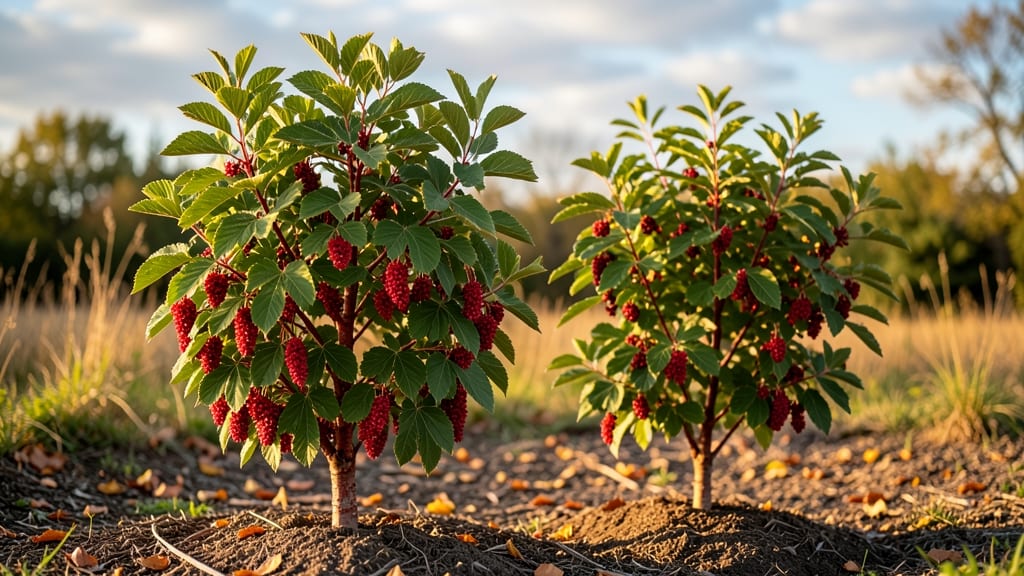
If you're wondering "how tall do sumac trees grow", the answer might surprise you—because these hardy plants range from compact shrubs to towering 25-foot giants, depending on the variety.
Whether you're dreaming of a low-maintenance border plant or a dramatic backyard focal point, sumac 🌳 delivers options for every space.
The key to their height lies in their species. Dwarf varieties like Fragrant sumac stay between 3 and 5 feet, perfect for small gardens, while Staghorn and Smooth sumac can stretch up to 12 feet or more.
Even the most compact types grow faster than you might expect—some reach half their mature height in just 2 years.
But here's the best part: their height isn't just about genetics. Sunlight, soil quality, and even your pruning habits can influence how tall they grow. In USDA Zone 6a, where many gardeners plant sumac in spring, proper care can help you steer their growth toward your ideal landscape vision.
Ready to discover which sumac variety fits your space? I'll walk you through the height ranges, growth habits, and simple care tips to keep your sumac thriving—no matter how tall you want it to be.

Sumac tree height guide: dwarf varieties vs. giant species
Sumac trees are one of nature's most versatile plants, offering everything from compact shrubs to towering trees. Their height varies dramatically depending on the species, with some varieties barely reaching 3 feet while others grow over 25 feet tall.
Understanding these differences is key to selecting the right sumac for your landscape, whether you need a privacy screen or a low-maintenance ground cover.
For gardeners with limited space, dwarf sumac varieties like Fragrant Sumac (Rhus aromatica) are ideal. These stay between 3 to 5 feet tall and spread 4 to 6 feet wide, making them perfect for small yards or container gardening.
On the other end of the spectrum, Staghorn Sumac (Rhus typhina) and Smooth Sumac (Rhus glabra) can reach 15 to 25 feet, providing dramatic focal points or shade.
Below is a detailed comparison of the most popular sumac varieties, including their mature heights, growth habits, and ideal growing conditions. This will help you choose the perfect sumac for your garden's needs and space constraints.
| Variety | Mature Height | Spread | Growth Habit | Best For |
|---|---|---|---|---|
| Fragrant Sumac (Rhus aromatica) | 3–5 ft | 4–6 ft | Multi-stemmed shrub | Small gardens, containers, erosion control |
| Dwarf Sumac (Rhus copallina 'Pendula') | 4–6 ft | 6–8 ft | Weeping form | Ornamental focal points, small landscapes |
| Staghorn Sumac (Rhus typhina) | 12–20 ft | 10–15 ft | Pyramidal tree | Wildlife habitat, large landscapes, shade |
| Smooth Sumac (Rhus glabra) | 15–25 ft | 12–20 ft | Multi-stemmed tree | Privacy screens, wildlife gardens, drought-prone areas |
| Lake Sumac (Rhus aromatica 'Gro-Low') | 8–12 ft | 10–15 ft | Upright shrub | Medium landscapes, hedges, wildlife support |
| Fragrant Sumac 'Gro-Low' (Rhus aromatica) | 6–8 ft | 8–10 ft | Compact shrub | Front of borders, small yards, pollinator gardens |
When planning your landscape, consider not just the height but also the spread of each variety. For example, Staghorn Sumac may grow 20 feet tall, but its 15-foot spread means it needs ample space to avoid crowding other plants.
In contrast, Fragrant Sumac varieties are ideal for tight spaces, fitting neatly into small gardens or even large containers.
For urban or suburban gardens where space is limited, dwarf varieties like 'Gro-Low' or 'Pendula' are excellent choices. These can be pruned lightly to maintain their shape and size, making them low-maintenance options.
Meanwhile, taller varieties like Smooth Sumac are better suited for rural properties or large estates where they can establish their full height and spread.
One common misconception is that all sumac trees grow into large, unmanageable shrubs. In reality, with proper pruning and spacing, even the tallest varieties can be managed effectively.
For instance, Staghorn Sumac can be pruned annually to control its height and encourage a bushier form, while Fragrant Sumac may only require occasional trimming to remove dead branches.
If you're using sumac as a privacy screen, aim for varieties that reach at least
What determines sumac tree height: climate, soil, and care factors
Sumac trees don’t grow to their full potential by chance—their height depends on a mix of natural conditions and gardener choices. Unlike some plants that thrive anywhere, sumac responds dramatically to sunlight exposure, soil quality, and even pruning habits.
For example, a Staghorn sumac in full sun may reach 12–15 feet, while the same plant in partial shade could stay under 8 feet. The right conditions can turn a modest shrub into a towering landscape feature—or keep it compact for small gardens.
One of the biggest factors is sunlight needs. Most sumac varieties—like Fragrant sumac and Smooth sumac—crave 6+ hours of direct sun daily. Without enough light, their growth slows, and they develop long, leggy branches instead of dense foliage.
In my own yard, I noticed my Lake sumac grew 3 feet taller after moving it to a sunnier spot. If you’re planting sumac in a shady area, expect it to stay shorter and less vibrant.
Full sun (6+ hours/day) = faster growth and taller stature. Partial shade (3–6 hours) = slower growth, shorter height.
Well-draining, slightly acidic soil (pH 6.0–7.0) promotes healthy root growth. Poor drainage or clay soil can stunt growth and increase disease risk.
Deep watering (1–2 inches/week) encourages strong roots. Overwatering or drought stress can limit height potential.
Regular pruning (late winter/early spring) controls height and encourages bushier growth. Neglecting pruning can lead to unchecked vertical growth.
Sumac thrives in USDA Zones 3–9. Harsh winters can slow growth, while warm climates accelerate it. For example, Alba sumac grows faster in Zone 8 than in Zone 5.
Don’t overlook the role of soil pH. Sumac prefers slightly acidic to neutral soil (pH 6.0–7.0). If your soil is too alkaline (pH 7.5+), the plant may struggle to absorb nutrients, leading to stunted growth.
I once tested my garden soil and found it was pH 8.0, which is why my Fragrant sumac stayed under 4 feet instead of its usual 5–6 feet. Amending the soil with sulfur or peat moss can make a big difference.
Your watering habits also play a surprising role. While sumac is drought-tolerant once established, young trees need consistent moisture to develop strong roots. Overwatering, however, can suffocate roots and limit height.
I learned this the hard way when my Staghorn sumac developed root rot after sitting in soggy soil for weeks. Aim for deep watering 1–2 times per week during dry spells, then taper off as the tree matures.
Finally, pruning timing can either boost or hinder growth. Pruning in late winter or early spring encourages new, vigorous growth, while pruning in summer or fall can slow it down. If you’re trying to keep your sumac compact, prune just after flowering.
For taller varieties like Alba sumac, strategic pruning can help manage their 20–25-foot height without sacrificing their striking fall foliage.
By paying attention to these factors, you can steer your sumac’s growth in the direction you want—whether that’s a tall privacy screen, a compact shrub border, or a wildlife-friendly focal point.
The key is consistency: give your sumac the right conditions, and it’ll reward you with the height—and beauty—you’re after. 🌳