
How To
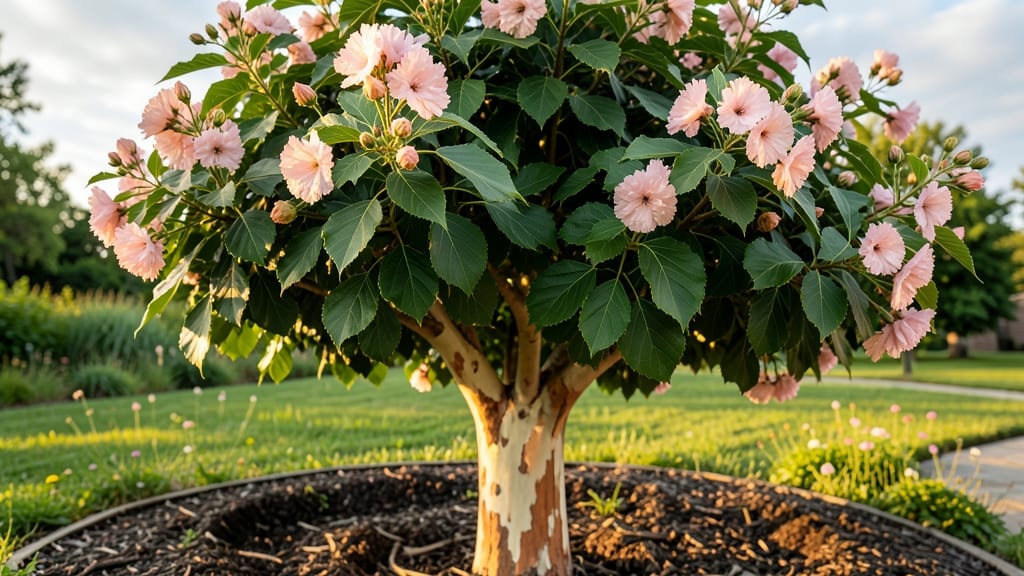
Curious about how tall does a crepe myrtle tree grow before you commit to planting one? The answer might surprise you—these stunning 🌳 beauties can range from compact shrubs to towering giants, depending on the variety you choose.
If you're dreaming of a low-maintenance privacy screen, dwarf crepe myrtles (like 'Arapaho' or 'Tonto') stay between 6 to 12 feet, perfect for smaller yards. But if you're after a classic shade tree, standard varieties like 'Natchez' or 'Muskogee' can soar up to 30 feet, rivaling mature oaks.
The key to controlling their height lies in variety selection and pruning. Semi-dwarf types (12-18 feet) strike a balance, while aggressive pruning can even keep larger varieties in check. Whether you need shade, summer blooms, or a statement piece, there's a crepe myrtle size that fits your space.
Let's break down the height ranges, growth habits, and practical tips to help you pick the perfect 🌳 for your landscape—no guesswork required.

Crepe myrtle height range: dwarf to giant varieties explained
Crepe myrtles are one of nature's most versatile trees, offering heights from tiny shrubs to towering giants. The mature size depends entirely on the variety you choose, with some staying under 6 feet while others reach 30 feet or more.
Understanding these differences helps you select the perfect tree for your landscape needs, whether that's a privacy screen, shade provider, or ornamental focal point.
For small spaces, dwarf varieties like 'Arapaho' or 'Centennial Spirit' max out around 6-10 feet, making them ideal for urban gardens or patios. On the opposite end, standard varieties like 'Natchez' or 'Tonto' can grow 25-30 feet tall, providing the dramatic shade of a full-sized tree.
The key difference lies in their genetic growth habits, which we'll explore in detail below.
🌱 Did You Know? Crepe myrtles grow 3-5 feet per year when young, with growth slowing as they mature. This rapid early growth means a 3-foot tree can reach 10 feet in just two years if given proper care.
| Variety Type | Mature Height Range | Growth Rate (First 5 Years) | Best For |
|---|---|---|---|
| Dwarf | 3-6 ft | 1-2 ft/year | Patios, containers, small yards |
| Semi-Dwarf | 6-12 ft | 2-3 ft/year | Small gardens, foundation plantings |
| Standard | 20-30 ft | 3-5 ft/year | Large yards, shade trees, privacy screens |
| Weeping | 15-25 ft | 2-4 ft/year | Ornamental features, park plantings |
When selecting a crepe myrtle, consider not just the height at maturity but also the spread, which can be just as important for your landscape. Most varieties have a wider spread than height, creating that classic rounded canopy.
For example, a 10-foot-tall dwarf variety might spread 8-10 feet wide, while a 30-foot standard could spread 20-25 feet.
The growth rate also varies by variety, with some reaching their mature height in 5-7 years while others take 10+ years. This matters if you're planting for immediate shade or privacy.
Fast-growing varieties like 'Muskogee' can provide quick coverage, while slower growers like 'Tonto' develop a stronger structure over time.
Another factor influencing height is pruning practices. While crepe myrtles can be pruned to control size, over-pruning can stunt growth or create weak branches. I recommend minimal pruning—removing only dead wood and shaping in late winter—unless you're specifically trying to keep a tree small.
Even then, root pruning or selecting dwarf varieties is more effective.
Climate plays a role too. In warmer USDA zones (8-10), crepe myrtles grow faster and reach their maximum potential height. In cooler zones (6-7), growth slows, and mature heights may be 10-20% shorter.
This is why 'Natchez' might hit 25 feet in Florida but only 20 feet in Virginia.
For urban gardeners, I always recommend starting with dwarf or semi-dwarf varieties to avoid height-related challenges. These smaller trees still produce abundant blooms and require less maintenance than their towering cousins. Plus, they're easier to fit into small yards or container gardens.
If you're torn between varieties, consider your long-term goals. Need instant shade? Go for a standard variety. Want a low-maintenance patio tree? A dwarf is perfect. And remember, crepe myrtles live 30-50 years, so choose wisely!
🌳 Whether you're planning a backyard retreat or a street-side spectacle, crepe myrtles adapt beautifully to any space—just pick the right height for your vision.
Crepe myrtle height range: dwarf to giant varieties explained
Crepe myrtles are famous for their dramatic height variations, offering something for every landscape—whether you need a privacy hedge or a statement shade tree. The smallest varieties stay under 6 feet tall, while the tallest specimens can reach 30-40 feet at maturity.
Your choice depends on available space, sunlight, and desired landscape impact.
Most crepe myrtles follow a predictable growth pattern: they grow 1-2 feet per year in their first decade, then slow to 6-12 inches annually once mature. Dwarf varieties like 'Arapaho' max out at 6 feet, while standard types like 'Natchez' tower to 30 feet.
Even within the same species, pruning habits and climate conditions can shift height by 30%.
| Variety Type | Mature Height | Growth Rate | Best For |
|---|---|---|---|
| Dwarf | 3-6 ft | 1-2 ft/year | Containers, small yards |
| Semi-Dwarf | 10-15 ft | 2-3 ft/year | Urban landscapes, privacy screens |
| Standard | 20-30 ft | 3-5 ft/year (young) | Shade, large properties |
| Giant | 30-40 ft | 4-6 ft/year (young) | Park-like settings, bold statements |
Height isn't just about genetics—climate plays a huge role. In hot, humid zones (like USDA Zones 7-9), crepe myrtles grow 20-30% faster than in cooler regions. Southern varieties like 'Tonto' thrive in heat, while northern-adapted types like 'Muskogee' stay shorter.
Even soil moisture affects height: well-drained soil encourages vertical growth, while waterlogged conditions can stunt trees by up to 50%.
For urban gardeners, height control is key. Pruning in late winter (before buds swell) keeps trees 30-50% shorter than their natural height.
I recommend selective pruning—removing only water sprouts and crossing branches—to maintain shape without sacrificing blooms. Root pruning (trenching around roots) also slows height growth by 15-20%.
Don't overlook landscape context. A 6-foot dwarf creates a privacy screen for patios, while a 25-foot standard provides deep shade for outdoor living spaces. I planted a 12-foot 'Sioux' variety near my deck—it now offers year-round interest with summer blooms and winter bark texture.
The key? Match the variety to your space and prune strategically.
If you're unsure which size to choose, start with semi-dwarf varieties. They offer flexibility: you can prune them smaller for containers or let them grow taller for shade. For bold statements, go for standard or giant types—just plan for long-term maintenance and root space.
With the right variety, your crepe myrtle can be the perfect height for your dream garden. 🌳