
How To
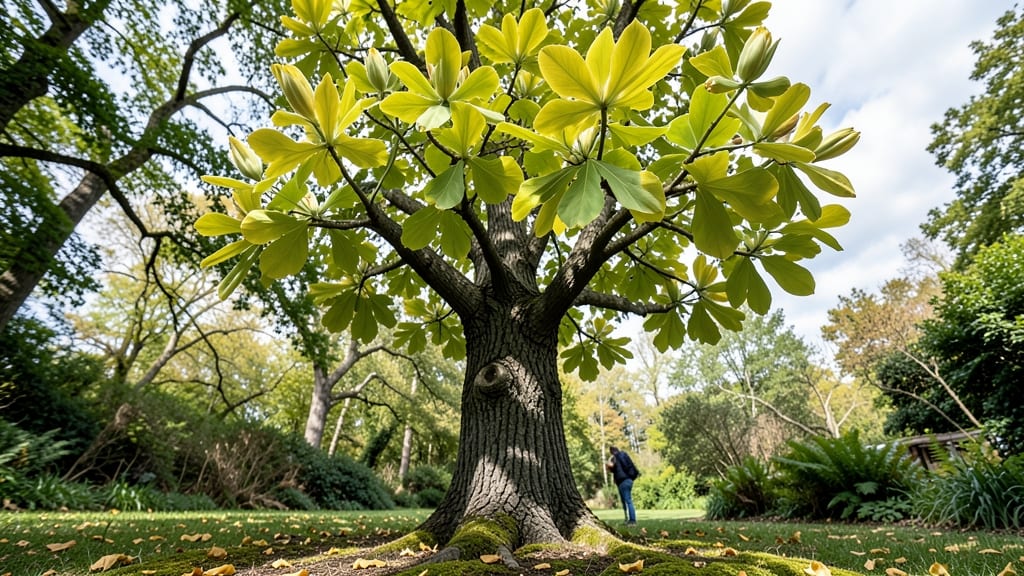
Wondering how tall does a tulip tree grow? If you're eyeing this stately 🌳 for your landscape, you're about to discover why it's one of nature's most impressive shade providers—some specimens reach 70 feet or taller with the right conditions!
This fast-growing giant isn't just about height—it's also one of the most adaptable trees for Zone 6a gardens. Whether you're planting in spring or dreaming of a future canopy, understanding its growth potential helps you plan spacing and care from day one.
What makes a tulip tree shoot up so dramatically? We'll break down the factors—from sunlight needs to soil secrets—that turn a young sapling into a towering beauty. Spoiler: pruning and soil prep play bigger roles than you might think!
Ready to grow a tree that'll outshine your neighbors' landscapes? Let's dive into the science behind its skyward journey and how you can nurture one of your own—without it becoming a power line hazard.

Tulip tree height: how tall do they grow & what determines their size?
If you’re considering planting a tulip tree (Liriodendron tulipifera), you’re likely wondering: just how tall does a tulip tree grow? These majestic trees are among the tallest native species in North America, often reaching heights that will leave you in awe.
On average, a mature tulip tree stands between 50 to 70 feet tall, with some exceptional specimens soaring up to 90 feet—taller than a three-story building! Their rapid growth rate of 3 to 4 feet per year means they can quickly become the centerpiece of your landscape.
But their height isn’t the only thing that makes them remarkable. Tulip trees also boast a wide canopy of 30 to 50 feet, providing ample shade for your garden or backyard. Their striking tulip-shaped flowers in spring and vibrant yellow-green foliage in summer add to their appeal.
However, their impressive size means you’ll need to plan carefully—especially if you’re planting near structures or power lines.
Now, let’s talk about what influences their height. Genetics play a significant role, but so do environmental factors like climate, soil quality, and even pruning practices.
For example, tulip trees grown in the southeastern United States tend to reach their maximum height faster due to warmer climates and longer growing seasons. Meanwhile, those in cooler regions like the Midwest or Northeast may grow more slowly but still achieve impressive heights over time.
Here’s a quick look at how their height progresses over the years:
| Stage | Height Range | Notes |
|---|---|---|
| Year 1 | 3–5 ft | Rapid early growth; needs protection from wind. |
| Year 3 | 15–20 ft | Establishes strong root system; prune to shape. |
| Mature (20+ years) | 50–90 ft | Giant specimens exist; prune for safety and aesthetics. |
One of the most famous tulip tree specimens is the one in Chattahoochee River National Recreation Area, Georgia, which stands at an astonishing 140 feet tall—though this is an extreme outlier. Most homeowners can expect their tulip trees to reach 60 to 70 feet in ideal conditions.
If you’re planting near your home, consider spacing it at least 40 feet away from structures to avoid future issues with roots or branches.
Another factor affecting height is pruning. While tulip trees are naturally fast-growing, regular pruning can help manage their size and shape. Prune in late winter or early spring before new growth begins, focusing on removing dead, diseased, or crossing branches.
Avoid heavy pruning, as this can stress the tree and slow its growth. If you’re concerned about height, you can encourage a wider canopy by pruning the upper branches to promote lateral growth.
Soil quality is equally important. Tulip trees thrive in well-draining, slightly acidic soil with a pH between 5.0 and 6.5. Poor soil conditions can stunt growth, so amending your soil with compost or organic matter before planting will give your tree the best start.
Additionally, mulching around the base helps retain moisture and regulates soil temperature, which supports steady growth.
Climate also plays a role. Tulip trees are adaptable but prefer humid, temperate climates. In drought-prone areas, they may grow more slowly unless given consistent watering during their first few years.
Conversely, in wet climates, they can grow exceptionally fast, reaching their mature height in as little as 20 to 25 years. If you live in a cooler region, like USDA Zone 4 or 5, expect slower growth, but they’ll still thrive with proper care.
If you’re dreaming of a towering tulip tree in your landscape, start by choosing a sunny, spacious location with well-draining soil. With the right conditions, you’ll be rewarded with a stunning shade tree that grows taller and more beautiful each year.
Just remember: patience is key—these giants take time to reach their full potential! 🌳
Sunlight needs for optimal tulip tree growth: can they handle full sun?
Tulip trees (Liriodendron tulipifera) thrive in full sun to partial shade, but their height and bloom production depend heavily on light exposure. While they can tolerate 4-6 hours of sunlight daily, 6+ hours maximizes their towering growth potential—reaching those 50-70 feet heights we love.
Without enough light, you’ll notice stunted growth and fewer iconic tulip-shaped flowers.
In full sun conditions, tulip trees grow 3-4 feet per year, accelerating their journey toward maturity. However, in deep shade, their growth slows dramatically, and leaves may become sparse. This makes sunlight a critical factor for both aesthetics and structural development.
🌳
If your tulip tree isn’t getting enough sunlight, you might spot yellowing leaves or weak branches—clear signs it’s struggling. These trees are adaptable but perform best in open, sunny spaces, like lawns or large gardens.
Even in partial shade, they’ll still grow tall, but their canopy spread may shrink, reducing that coveted shade coverage.
For urban gardeners, planting near a south-facing wall or in a sunny corner can help compensate for nearby buildings that cast shade. Just avoid planting them directly under mature trees that block light—this will limit their potential to reach their full 50-70 foot glory.
One pro tip: If you’re growing a tulip tree in a container (though they’re not ideal for pots), ensure it gets full morning sun
💡 Remember, the more sunlight your tulip tree gets, the faster it’ll grow—and the more stunning its spring blooms will be. Just don’t let it bake in extreme heat without some afternoon relief!