
How To
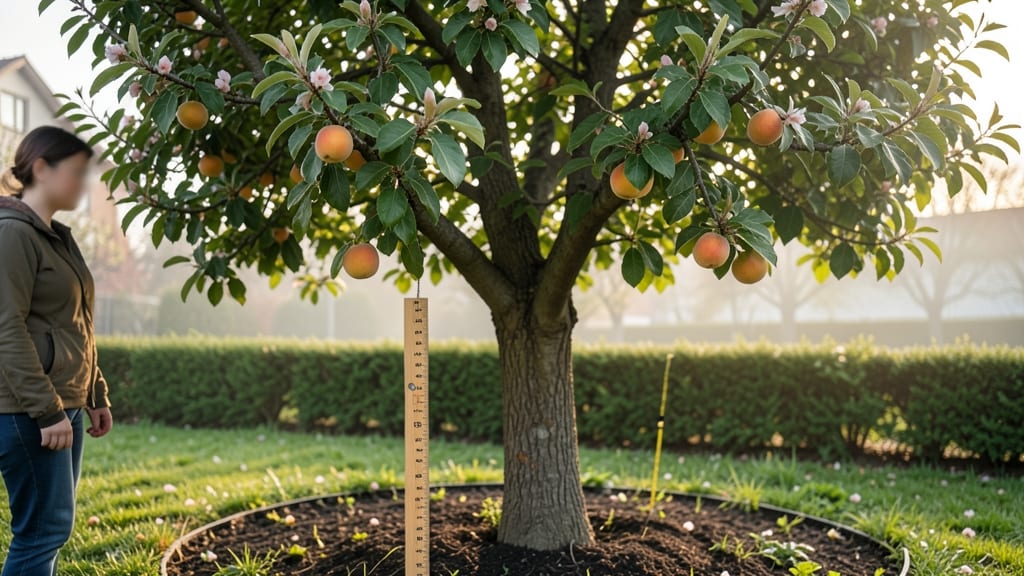
If you're wondering "how tall does an apricot tree grow", the answer might surprise you—these fruit-bearing beauties can stretch from compact 4-foot dwarfs to towering 25-foot giants, depending on the variety and your garden's space.
Picture this: a 🍑 apricot tree that fits snugly in your backyard or one that needs an entire orchard to stretch its branches.
For most gardeners in USDA Zone 6a, standard apricot trees reach 15-25 feet at maturity, making them a statement piece in larger landscapes. But here's the game-changer: dwarf and semi-dwarf varieties stay under 10 feet, perfect for smaller yards or even container growing.
The key is choosing the right type for your space—whether you're planting in spring or dreaming of a future harvest in June-July.
Pruning plays a huge role in controlling height, and with the right techniques, you can keep even a standard tree manageable. Climate also matters—warmer regions may see faster growth, while cooler areas might need more care to reach full potential.
Let's break down the options so you can pick the perfect-sized apricot tree for your garden.
Whether you're working with limited space or have room to spare, knowing these details will help you plan for success. From spacing requirements to the best varieties for small gardens, we'll cover everything you need to grow apricots without sacrificing your yard's layout.

Apricot tree height guide: from dwarf to standard varieties
If you're planning to grow apricot trees in your garden, one of the first questions you'll ask is how tall do apricot trees grow? The answer varies dramatically depending on the variety you choose, with heights ranging from compact 4-foot dwarf trees to towering 30-foot standard varieties.
Understanding these differences is key to selecting the perfect tree for your space and climate.
Most apricot trees fall into three main height categories: dwarf (4-8 ft), semi-dwarf (8-12 ft), and standard (15-30 ft). The right choice depends on your garden layout, available sunlight, and long-term maintenance goals.
For example, a standard apricot tree needs ample space and regular pruning, while a dwarf variety thrives in containers or small yards with minimal upkeep.
Growth rates also vary significantly. A standard apricot tree can grow 3-5 feet per year in ideal conditions, while dwarf varieties grow more slowly, adding only 1-2 feet annually. This slower growth makes dwarf trees ideal for urban gardens or patios where space is limited.
Always check the specific variety's growth rate before planting to align expectations with your garden's capacity.
Climate plays a crucial role in determining how tall an apricot tree will grow. Trees in USDA Zones 6-9 (where apricots thrive) may reach their full height potential, while those in cooler zones might stay shorter due to slower growth.
Additionally, well-draining soil and full sun exposure (6+ hours daily) are non-negotiable for maximizing height and fruit production.
Here’s a quick comparison of how apricot tree heights break down by category, including their ideal spacing and care needs:
| Variety Type | Mature Height | Growth Rate (Annual) | Spacing Needs | Best For |
|---|---|---|---|---|
| Dwarf | 4-8 ft | 1-2 ft | 6-8 ft apart | Containers, small yards, urban gardens |
| Semi-Dwarf | 8-12 ft | 2-3 ft | 10-12 ft apart | Backyards, patio edges, mixed borders |
| Standard | 15-30 ft | 3-5 ft | 20-25 ft apart | Large gardens, orchards, rural properties |
When selecting an apricot tree, consider not just its height but also its fruit production potential and cold hardiness. For example, dwarf varieties like 'Goldcot' produce abundant fruit despite their small size, while standard trees like 'Tilton' offer larger yields but require more space.
Always research the specific cultivar’s traits to ensure it matches your garden’s conditions and your goals for apricot harvests.
Pruning is another critical factor in controlling an apricot tree’s height. Regular pruning can keep even standard varieties manageable, while annual pruning of dwarf trees ensures they stay within their ideal height range.
I recommend pruning in late winter or early spring before new growth begins to shape the tree and encourage fruit production. Use sharp, clean tools and remove any dead, diseased, or crossing branches to maintain tree health.
If you're unsure which variety to choose, start with a semi-dwarf apricot tree like 'Patterson' or 'Moonglow.' These strike a balance between manageable size and high fruit yields, making them perfect for medium-sized gardens.
For container growing, opt for dwarf varieties like 'Goldbar' or 'Tilton,' which thrive in large pots with proper care. Always check the rootstock type—dwarf trees are often grafted onto dwarfing rootstock like 'Marianna 2624' or 'GF-677' to control their size.
Remember, the height of your apricot tree isn’t set in stone. With proper pruning, training, and care, you can influence its growth pattern to fit your space.
Whether you dream of a towering orchard tree or a compact patio apricot, the right variety and techniques will help you achieve your vision—without sacrificing fruit quality or garden harmony.
Apricot tree height guide: from dwarf to standard varieties
If you're planning to grow an apricot tree but space is a concern, you're not alone. The height of an apricot tree can vary dramatically depending on the variety and pruning practices.
Standard apricot trees can reach 15-30 feet tall, while dwarf varieties stay between 4-8 feet. Understanding these differences will help you choose the perfect tree for your garden layout.
For those with limited space, dwarf apricot trees are ideal. These compact varieties are bred to stay small while still producing abundant fruit. They’re perfect for small backyards, containers, or even urban gardens.
Meanwhile, standard varieties need more room to spread their branches and roots, making them better suited for larger properties or orchards.
| Variety Type | Mature Height | Growth Rate | Ideal Spacing |
|---|---|---|---|
| Dwarf | 4-8 ft | Slow to moderate | 6-8 ft from structures |
| Semi-Dwarf | 8-12 ft | Moderate | 10-12 ft from structures |
| Standard | 15-30 ft | Fast | 20-30 ft from structures |
Climate also plays a role in how tall your apricot tree grows. Trees in warmer climates like California or Arizona tend to grow taller and faster due to longer growing seasons.
In cooler regions, such as USDA zones 6-7, growth may be slower, but dwarf varieties still thrive. Always check the recommended USDA zone for your chosen variety to ensure success.
Another factor to consider is the rootstock used for grafting. Dwarf apricot trees are often grafted onto semi-dwarf or dwarfing rootstocks, which naturally limit their height. Semi-dwarf trees use intermediate rootstocks, while standard trees are grafted onto their own roots or vigorous rootstocks.
Choosing the right rootstock can make a big difference in managing your tree's size.
If you're planting multiple apricot trees, spacing is crucial. Standard varieties need at least 20-30 feet between trees to allow for proper airflow and sunlight penetration. Dwarf varieties can be spaced 6-8 feet apart, making them ideal for smaller orchards or mixed garden beds.
Proper spacing reduces disease risk and improves fruit quality.
Regular pruning is essential for controlling height and encouraging fruit production. Even dwarf varieties benefit from light pruning to remove dead or overcrowded branches. Prune in late winter or early spring before new growth begins.
This practice not only keeps your tree at your desired height but also improves fruit accessibility and air circulation.
For those with limited space, consider planting your apricot tree in a large container. Many dwarf varieties adapt well to container growing, provided the pot is at least 18-24 inches in diameter.
Just ensure the container has drainage holes and use a high-quality potting mix to prevent root rot. Container-grown trees may need more frequent watering but offer the flexibility to move them as needed.