
How To
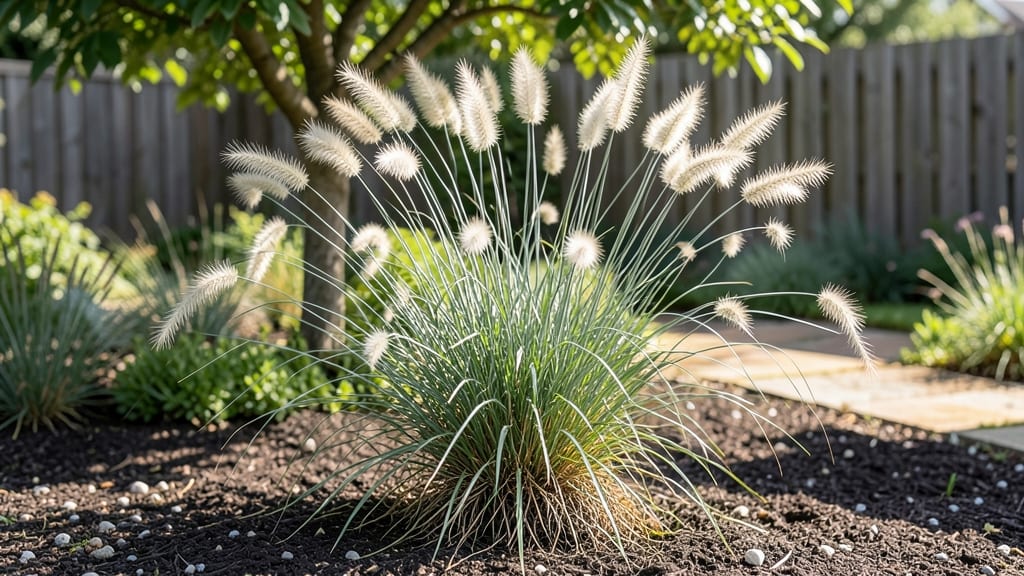
Wondering how tall does Bunny Tail Grass grow in your garden? This charming 🌿 ornamental grass can be a real surprise—some varieties barely reach your knees, while others stretch nearly to your waist, depending on where you live and how you care for it.
If you're planning to add this whimsical grass to your landscape, knowing its growth habits is key. Whether you're working with USDA Zone 6a or warmer climates, understanding its mature height helps you choose the perfect spot—whether that's a sunny border, a container, or tucked beside a pathway.
Let's break down what affects Bunny Tail Grass height, from sunlight and soil to pruning tricks that keep it at your ideal size. You'll discover how to encourage compact growth or let it sprawl naturally, all while keeping it healthy and thriving.
Ready to transform your garden with this versatile grass? I'll show you exactly what to expect—and how to manage its size—so you can enjoy its fluffy, tail-like plumes year after year without any unexpected surprises.

Bunny Tail Grass height by climate Zone: year-round growth chart
Bunny Tail Grass (Lagurus ovatus) is famous for its fluffy, bunny-tail-like seed heads that add texture to gardens, but its height can vary dramatically based on your USDA hardiness zone and seasonal conditions.
In warmer climates (Zones 8-10), this ornamental grass typically reaches 2-3 feet tall, while in cooler regions (Zones 5-7), it may stay shorter—around 1-2 feet—due to slower growth in spring and earlier dormancy in fall.
The peak growth period occurs from late spring to early summer, when the plant focuses energy on elongating stems and developing those iconic plumed seed heads. However, without proper care, your Bunny Tail Grass might flop or sprawl, especially in humid climates where stems weaken.
Understanding these height patterns by zone helps you plan spacing and support structures effectively.
Below is a year-round height progression chart for Bunny Tail Grass across USDA Zones 5-10, including seasonal dormancy periods and ideal pruning windows to maintain your desired height.
| Season | USDA Zone 5-6 | USDA Zone 7-8 | USDA Zone 9-10 | Care Tip |
|---|---|---|---|---|
| Spring (March-May) | 6-12 inches | 12-18 inches | 18-24 inches | Water deeply after planting |
| Summer (June-August) | 18-24 inches | 24-36 inches | 30-40 inches | Stake tall varieties in windy areas |
| Fall (September-Nov) | 12-18 inches (dormant) | 18-24 inches (dormant) | 24-30 inches (dormant) | Cut back dead foliage in late fall |
| Winter (Dec-Feb) | 0-6 inches (dormant) | 6-12 inches (dormant) | 12-18 inches (dormant) | Mulch to protect roots in cold zones |
In Zone 5-6, Bunny Tail Grass often stays shorter due to earlier frost dates, but with proper winter protection, it can rebound strongly in spring.
Meanwhile, in Zones 9-10, the grass may continue growing year-round if conditions are ideal, occasionally reaching over 3 feet in rich, well-drained soil. If you’re in a humid climate, expect softer stems that may need staking to prevent flopping.
For container gardening, Bunny Tail Grass thrives in 5-gallon pots and reaches 18-24 inches tall, making it perfect for balconies or patios. In ground plantings, allow 18-24 inches of space between clumps to accommodate spreading habits and seed head development.
If you’re using it as a border plant, trim back in early spring to encourage denser, bushier growth and prevent legginess.
One common misconception is that Bunny Tail Grass grows taller in shade, but it actually flops and loses its structure without at least 6 hours of sunlight. In partial shade, expect shorter, weaker stems (12-18 inches) and fewer seed heads.
For the full, fluffy look, prioritize full sun exposures and well-draining soil to maximize both height and ornamental value.
If you’re planting Bunny Tail Grass near other perennials, consider its spreading habit—some varieties can self-seed aggressively, leading to unexpected clusters in subsequent years. To control this, deadhead spent seed heads in late summer or early fall before they release seeds.
This simple step helps maintain your desired height and prevent overcrowding.
For winter interest, leave the dried seed heads on the plant—they add textural contrast to snow-covered gardens. In Zones 5-6, the grass may turn brown and dormant by late fall, but the structure remains until spring.
In warmer zones, it may retain some greenery through winter, adding year-round visual appeal to your landscape.
To encourage taller growth, fertilize lightly in early spring with a balanced 10-10-10 formula and water deeply during dry spells. Avoid over-fertilizing, as this can lead to weak, leggy stems that flop over easily.
Instead, focus on consistent moisture and pruning spent blooms to redirect energy into stronger, upright growth.
Bunny Tail Grass height by climate Zone: year-round growth chart
Understanding Bunny Tail Grass (Lagurus ovatus) height variations helps you plan your garden layout. While most varieties reach 2-3 feet at maturity, their growth patterns shift dramatically across USDA zones 5-10.
In colder climates like Zone 5, expect slower spring growth and winter dormancy, while Zone 10 plants grow year-round with minimal seasonal changes.
Your local climate isn't the only factor—sunlight exposure and soil moisture also influence height. For example, a Zone 7 plant in full sun may grow 36 inches tall, while one in partial shade could stay under 24 inches.
Let's break down the seasonal height progression to help you visualize growth patterns.
| Season | USDA Zone 5 | USDA Zone 7 | USDA Zone 10 |
|---|---|---|---|
| Spring (Mar-May) | 6-12" (slow start) | 12-24" | 18-30" |
| Summer (Jun-Aug) | 18-24" (peak) | 24-36" (peak) | 30-42" (peak) |
| Fall (Sep-Nov) | 12-18" (dormant) | 18-24" | 24-30" |
| Winter (Dec-Feb) | 0-6" (dormant) | 6-12" (dormant) | 18-24" (active) |
Note: Heights assume average care in full sun conditions.
Zone 5 gardens face the most dramatic seasonal shifts, with winter dormancy reducing height to near ground level. In contrast, Zone 10 plants maintain year-round growth, often reaching their peak height by late summer.
If you're in Zone 7, you'll see the most consistent growth, with summer peaks followed by gradual decline in fall.
For container gardening, root-bound plants may grow 6-12 inches shorter than their in-ground counterparts. Always choose pots with drainage holes and at least 12 inches of depth to prevent stunted growth. In-ground plantings, however, can spread 1-2 feet wider than their height, so account for that in border designs.
If you're using Bunny Tail Grass for winter interest, focus on Zone 7-10 varieties. Their silver-white plumes remain visible even when dormant, adding texture to cold-season gardens. In colder zones, consider cutting back in late fall to prevent snow damage while maintaining a tidy appearance.
Remember: over-fertilizing can lead to leggy growth, while under-watering causes height reduction. Aim for a balanced approach—light feeding in spring and consistent moisture without waterlogging. With proper care, your Bunny Tail Grass will thrive within these predictable height ranges.