
How To
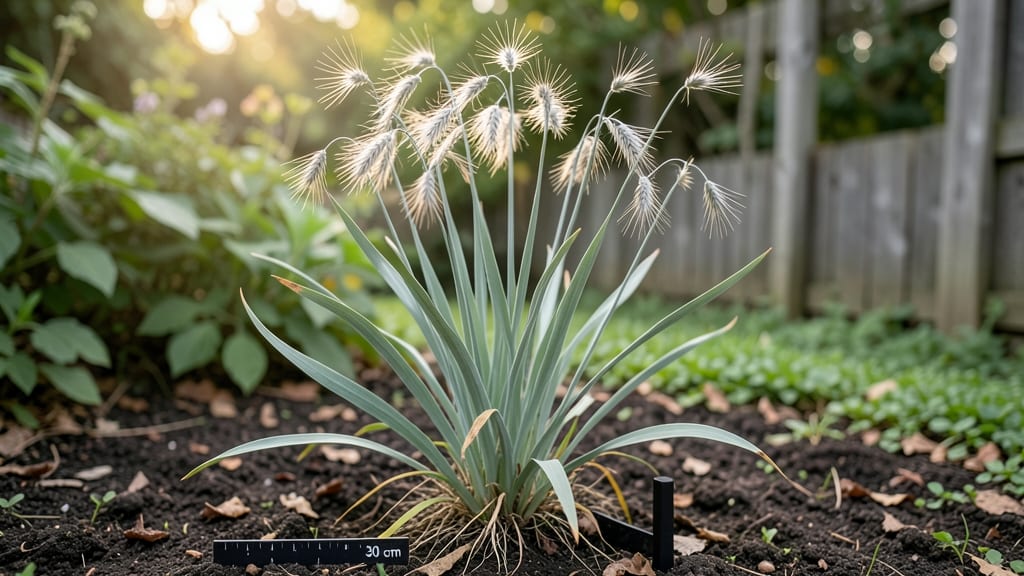
Wondering how tall does oat grass grow in your garden? You might be surprised to learn that this versatile grass can range from a modest 1 foot to towering heights of 6 feet, depending on the variety and growing conditions.
Whether you're planting 🌾 oat grass for its ornamental appeal or to support local wildlife, understanding its growth potential is key to planning your landscape effectively.
Some varieties stay compact, perfect for borders or small gardens, while others grow aggressively, making them ideal for erosion control or tall garden backdrops. The difference often comes down to soil quality, sunlight exposure, and how much you're willing to prune.
If you're new to growing oat grass, knowing these factors can help you choose the right type for your space and manage its growth before it becomes unruly.
In this guide, I’ll break down the height ranges for different oat grass varieties and share practical tips for controlling growth—whether you want to keep it neat or let it flourish naturally.
You’ll also discover how to avoid common mistakes that can make your oat grass grow taller (or shorter) than expected, so you can enjoy its benefits without the hassle.
Ready to transform your garden with 🌾 oat grass? Let’s dive into the details so you can make the most of this hardy, low-maintenance plant—no matter how tall (or short) you want it to be.

Oat grass height by variety: from dwarf to giant types
Oat grass (Avena sativa and related species) offers a stunning range of heights, from compact ornamental varieties to towering wild types. The mature height depends entirely on the specific variety and growing conditions.
For example, some dwarf cultivars stay under 2 feet tall, while wild oat grass (Avena fatua) can surge to 6 feet or more in ideal conditions.
Understanding these differences helps you choose the right type for your landscape goals—whether that’s a low-maintenance border or a wildlife-friendly meadow.
Most gardeners plant oat grass for its ornamental seed heads or erosion control benefits, but height varies wildly. A common ornamental variety like Arrhenatherum elatius (commonly called false oat grass) typically reaches 3–5 feet tall, while wild oat grass can exceed 6 feet in a single growing season.
Even within the same species, soil quality and sunlight exposure play huge roles in determining final height.
Here’s the key insight: Oat grass grows fastest in full sun and well-draining soil, which can push some varieties to their maximum height. In shadier conditions or poor soil, growth may be stunted by 30–50%.
For instance, a 6-foot wild type might only reach 3–4 feet in partial shade. If you’re planning a mixed-height garden, spacing and variety selection become critical.
If you’re growing oat grass for seed production, taller varieties like Avena fatua are ideal because their height supports better seed head development. However, these same varieties can become invasive if left unchecked, especially in warm climates where they self-seed aggressively.
For controlled height, consider regular pruning or selecting a dwarf cultivar like 'Compacta,' which stays under 2 feet and spreads slowly.
Another factor to consider is clumping vs. spreading habits. Some oat grass varieties, like Arrhenatherum elatius, form dense clumps that stay contained, while others spread via rhizomes or self-seeding. This affects not just height but also how much space you’ll need to accommodate the plant.
For example, a 5-foot-tall clumping type might only require 2 feet of diameter, while a spreading variety could expand to 6 feet or more in all directions.
For erosion control, taller varieties like wild oat grass are excellent because their deep root systems stabilize soil while their height provides windbreak benefits. Plant them along slopes or waterways where their 4–6 foot stature can help prevent soil erosion.
In contrast, dwarf varieties are better suited for rock gardens or container plantings where space is limited.
One common misconception is that all oat grass varieties grow at the same rate. In reality, growth speed varies just as much as final height.
For instance, wild oat grass can shoot up 2–3 feet in a single season, while ornamental types like Arrhenatherum elatius may take 2–3 years to reach their full height. If you’re planting oat grass for a quick privacy screen, fast-growing wild types are your best bet.
To maximize height (or control it), focus on these three factors: sunlight, soil fertility, and watering consistency. Oat grass thrives in full sun and well-draining soil, but it’s surprisingly drought-tolerant once established.
Overwatering can actually stunt growth by causing root rot, so aim for deep but infrequent watering during the growing season. A mul
How to control oat grass height: pruning, mowing, and thinning tips
Oat grass (Avena sativa) thrives when given space, but its rapid vertical growth can quickly overwhelm gardens. The good news? With the right techniques, you can keep it in check while maintaining its ornamental value or functional benefits like erosion control.
Whether you're dealing with wild-type varieties reaching 6 feet or ornamental cultivars staying under 2 feet, these strategies will help you manage its height effectively.
First, understand that seasonal timing is everything. Most oat grass varieties grow fastest in spring and early summer, so that’s when you’ll need to act. Regular maintenance prevents self-seeding and keeps your garden looking tidy.
For example, if you’re growing oat grass as a border plant, you’ll want to trim it back before it reaches half its mature height—typically around 2-3 feet for standard varieties.
🌾
Cut back 1/3 of the plant’s height before new growth begins. Use sharp shears to avoid tearing leaves. This encourages bushier growth and prevents legginess.
For wild-type oat grass, mow every 4-6 weeks to maintain a height of 2-3 feet. Use a string trimmer or lawnmower set to 4 inches for dense patches.
If using dwarf or semi-dwarf cultivars, thin out overcrowded stems in late summer or early fall. Remove 1/2 of the oldest stems to improve airflow and reduce seed head production.
Snip off dried seed heads before they release seeds. This prevents unwanted spread and redirects energy into foliage growth rather than vertical stems.
For ornamental oat grass, dig up overgrown clumps in early spring and divide them into smaller sections. Replant divisions to renew vigor and control height.
If you’re growing oat grass for wildlife habitat, you might take a more hands-off approach—but even then, a light trim in late summer can prevent it from becoming too unruly.
For erosion control along slopes, focus on root establishment first; once roots are deep, you can mow selectively to encourage denser growth without sacrificing stability.
Pro tip: Wear gloves when handling oat grass, as its sharp seed heads can irritate skin. And always water deeply after pruning to help the plant recover faster. With consistent care, you can enjoy oat grass’s elegant plumes without sacrificing garden space.
✂️