
How To
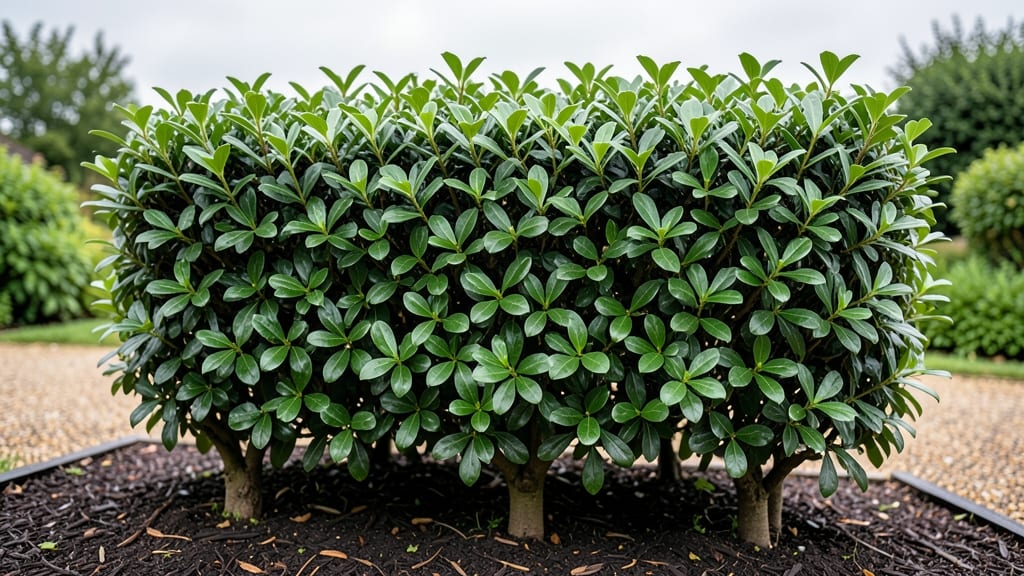
Wondering how tall does privet hedge grow before it turns your yard into an unruly jungle? The answer depends entirely on whether you prune it—or let nature take over.
A 🌿 privet hedge in USDA Zone 6a can reach a towering 10-15 feet if left unchecked, but with the right care, you can shape it into a neat 3-8 foot privacy screen.
This versatile shrub grows 12-24 inches per year, so its height is very much in your hands. Whether you're aiming for a lush, wild look or a crisp, manicured border, understanding its growth habits is the key to getting exactly what you want.
Let’s break down how to control its height and keep it looking its best.
From dwarf varieties that stay compact to standard types that stretch skyward, privet hedges offer flexibility for any landscape. The secret? Pruning at the right time and knowing which variety suits your space. Ready to learn how to harness this shrub’s potential without losing control?
We’ll cover everything from natural growth limits to pruning techniques that keep your hedge at your desired height—so you can enjoy the privacy and beauty without the headaches. Let’s get started!

Natural height of privet hedges: unpruned growth limits explained
Privet hedges (Ligustrum spp.) are one of the most popular choices for privacy screens and landscape borders because of their fast growth and dense foliage.
When left unpruned, these evergreen shrubs can reach impressive heights—typically between 6 to 10 feet tall—though some varieties may exceed 15 feet under ideal conditions. Understanding these growth limits helps you plan for the perfect hedge without overcrowding your yard.
The most common privet species, European privet (Ligustrum vulgare), grows 8 to 12 feet tall and spreads 5 to 8 feet wide when mature. Its growth rate is 12 to 24 inches per year, meaning it can quickly fill in gaps if planted closely.
Meanwhile, Chinese privet (Ligustrum sinense) tends to be slightly taller, often reaching 10 to 15 feet without pruning, making it a favorite for tall privacy barriers.
Sunlight plays a crucial role in determining how tall your privet hedge will grow. Full sun exposure (6+ hours daily) encourages faster vertical growth, while partial shade (3 to 6 hours of sun) can slow it down.
In shady conditions, privet hedges may grow 2 to 3 feet shorter than their sun-exposed counterparts. This is why south-facing locations are ideal for maximizing height.
Another factor influencing height is soil quality. Privet thrives in well-draining, slightly acidic soil (pH 6.0-7.0). Poor soil with compacted clay or waterlogging can stunt root development, limiting the hedge’s ability to reach its full potential height.
Amending the soil with compost or organic matter before planting ensures healthier, taller growth.
| Variety | Mature Height | Growth Rate | Sunlight Needs |
|---|---|---|---|
| European Privet (Ligustrum vulgare) | 8–12 ft | 12–24 in/year | Full sun to partial shade |
| Chinese Privet (Ligustrum sinense) | 10–15 ft | 18–30 in/year | Full sun |
| Dwarf Privet (*Ligustrum japonicum 'Texanum') | 3–5 ft | 6–12 in/year | Partial shade |
If you're planting a privet hedge for privacy purposes, spacing is critical. For standard varieties, plant 2 to 3 feet apart to allow the hedge to fill in naturally over time. This spacing ensures the branches interlace without gaps, creating an effective barrier.
For taller varieties like Chinese privet, you can space them 3 to 4 feet apart to accommodate their wider spread.
One common misconception is that privet hedges grow indefinitely. In reality, their growth slows significantly after 3 to 5 years, especially if they reach their natural height limit. Without pruning, the lower branches may thin out, reducing density.
Regular light pruning (even in unmanaged hedges) can encourage bushier growth and maintain a neat appearance while still allowing the hedge to grow tall.
Climate also impacts height. In warmer climates (USDA zones 8-10), privet hedges grow faster and taller due to longer growing seasons. Conversely, in cooler zones (USDA 5-7), growth may be slower, with heights typically 1 to 2 feet shorter than in warmer regions.
If you're in a cooler climate, consider mulching around the base to insulate roots and promote growth.
For those who love the look of a natural, wild hedge, letting privet grow unpruned creates a rustic, woodland feel. However, if you prefer a structured, manicured look, regular pruning is essential. The good news?
Privet is incredibly forgiving—even if you skip pruning for a season, it will bounce back with minimal effort. Just be prepared for a taller, possibly wilder-looking hedge if you choose to go hands-off.
Before planting, measure your space and visualize the hedge’s mature height. A 10-foot-tall privet can block views beautifully but may cast shadows on patios or walkways. If height is a concern, opt for a dwarf variety or plan for annual pruning to keep it at your desired level.
With the right care, your privet hedge will thrive and become the star of your landscape.
Natural height of privet hedges: unpruned growth limits explained
When left unpruned, privet hedges (Ligustrum spp.) can grow into towering walls of greenery, reaching heights that might surprise even seasoned gardeners.
The common privet (Ligustrum vulgare) typically matures between 6 to 10 feet tall, while some varieties like the Japanese privet (Ligustrum japonicum) can stretch up to 15 feet without intervention. This rapid vertical growth is one reason privet is a favorite for quick privacy screens.
Beyond height, privet hedges also spread wide, with a mature width of 5 to 8 feet. This bushy habit makes them ideal for dense hedgerows or windbreaks, but it also means they’ll need space to thrive.
If you’re planting near property lines or sidewalks, account for this spread to avoid overcrowding or root competition with neighboring plants.
🌿
| Variety | Mature Height | Growth Rate | Sunlight Needs |
|---|---|---|---|
| Common Privet (Ligustrum vulgare) | 6–10 ft | 12–24 in/year | Full sun to partial shade |
| Japanese Privet (Ligustrum japonicum) | 10–15 ft | 18–30 in/year | Full sun |
| Dwarf Privet (Ligustrum quihoui) | 3–5 ft | 6–12 in/year | Partial shade |
🌱 Key Takeaway: Sunlight directly impacts height—privet grows faster and taller in full sun but can still thrive in partial shade with slightly slower growth.
One of the biggest factors influencing privet height is sunlight exposure. In full sun conditions, privet hedges can grow 12 to 24 inches per year, while partial shade slows growth to 6 to 12 inches annually.
This means a hedge planted in a sunny backyard could reach 10 feet in just 3 to 4 years, whereas one in dappled shade might take 5 to 6 years to mature.
Soil quality also plays a role. Privet thrives in well-draining soil with a slightly acidic to neutral pH (6.0–7.0). If your soil is heavy clay or poorly drained, growth may be stunted, and the hedge could become susceptible to root rot.
Amending the soil with compost or organic matter before planting ensures healthier, faster growth.
If you’re planning a privet hedge for privacy, consider spacing plants 2 to 3 feet apart to encourage bushier growth and fill in gaps faster.
Without pruning, a 10-foot-tall hedge can provide full coverage in as little as 3 years, making it one of the fastest options for natural screens.
✂️