
Plants
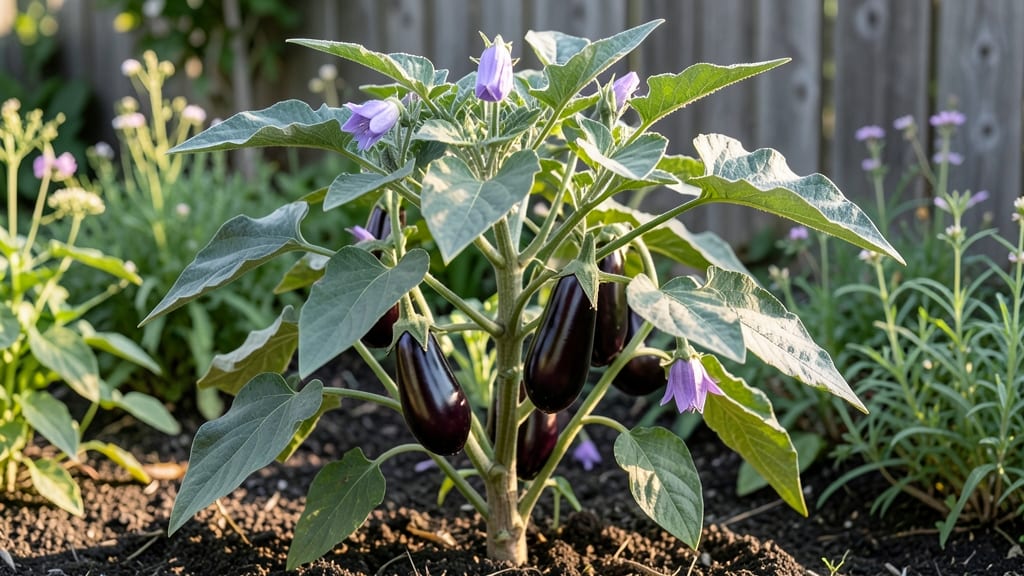
Eggplant height by variety: from compact to towering types
When planning your eggplant garden, height matters more than you might think. Some varieties barely reach your waist, while others tower like small trees. The mature height of your eggplants determines everything from garden spacing to harvesting ease and even fruit size.
Let’s break down the height ranges of popular varieties so you can pick the perfect fit for your space.
Most gardeners assume all eggplants grow to the same height, but the truth is far from it. Dwarf varieties stay under 2 feet, making them ideal for containers or small gardens, while standard types like 'Black Beauty' can stretch up to 4 feet.
Even within these categories, there’s surprising variation—some giant varieties like 'Mammoth' can exceed 5 feet when left unpruned.
Choosing the right variety isn’t just about height—it’s about balancing growth habits, fruit production, and your garden’s layout. For example, a sprawling variety like 'Rosa Bianca' might need more horizontal space, while a compact bush type like 'Fairy Tale' stays neatly contained.
Let’s dive into the specifics so you can make an informed choice.
| Variety | Height Range | Growth Habit | Ideal Spacing |
|---|---|---|---|
| Fairy Tale | 1–2 ft | Compact bush | 12–18 inches apart |
| Black Beauty | 3–4 ft | Semi-bushy, sprawling | 24–30 inches apart |
| Rosa Bianca | 2–3 ft | Bushy, upright | 18–24 inches apart |
| Mammoth | 4–5+ ft | Tall, sprawling | 36+ inches apart (or trellis) |
| Ichiban | 2–3 ft | Compact, bushy | 12–18 inches apart |
| Little Fingers | 1–2 ft | Dwarf, prolific | 12 inches apart |
If you’re working with limited space, dwarf varieties like 'Fairy Tale' or 'Little Fingers' are game-changers. These compact eggplants thrive in containers or tight garden beds, producing abundant fruit without sacrificing yield.
For example, 'Fairy Tale' can produce 50+ eggplants per plant in a single season—perfect for urban gardeners or small patios.
On the other hand, tall varieties like 'Mammoth' or 'Black Beauty' reward gardeners with larger fruit but require more planning. These plants need staking or trellising to support their weight and prevent sprawling.
Without support, they can flop over, making harvests difficult and increasing the risk of disease from soil-borne pathogens. Pro tip: Use bamboo stakes or a tomato cage for taller varieties to keep them upright and organized.
For container growing, stick to dwarf or semi-dwarf varieties. A 5-gallon pot can comfortably fit 'Fairy Tale' or 'Ichiban', while larger containers (10+ gallons) can accommodate semi-dwarf types like 'Rosa Bianca'. Just ensure your container has drainage holes and use a lightweight potting mix to prevent root rot.
Remember, eggplants are heavy feeders, so containers need regular fertilizing to keep up with their growth.
One common mistake is assuming all eggplants grow the same height, leading to overcrowding or wasted space. For instance, planting 'Black Beauty' too close together will stunt growth and reduce yields.
Always follow the spacing guidelines for your chosen variety. If you’re unsure, err on the side of more space—eggplants appreciate room to stretch their leaves and develop strong stems.
Height also plays a role in fruit production. Taller varieties often produce larger individual eggplants, but they may yield fewer total fruits compared to dwarf types. For example, 'Mammoth' might give you 10–15 giant eggplants, while 'Little Fingers' could yield 100+ small ones.
Consider your harvesting goals: Do you want a few showstoppers or a steady supply of smaller fruits?
Finally, don’t overlook pruning as a way to manage height. Pinching back the top growth of taller varieties can encourage bushier growth and more fruit production at lower heights.
This technique is especially useful for container-grown eggplants or when you’re short on vertical space. Just be careful not to prune too aggressively, as this can reduce overall yield.
How eggplant height affects yield and garden planning
Eggplant height isn’t just about how much space they’ll need—it directly impacts your harvest yield and how you plan your garden layout.
Taller varieties like Black Beauty (3–4 ft) produce more fruit but require staking, while dwarf types like Fairy Tale (1–2 ft) yield smaller harvests but thrive in containers. Understanding this helps you maximize your garden’s productivity without sacrificing space.
Taller eggplants often produce larger fruit but need support to prevent stem breakage under the weight. If left unchecked, sprawling vines can compete with nearby plants for nutrients and sunlight, reducing overall yields.
Meanwhile, compact varieties focus their energy on fruit production rather than vertical growth, making them ideal for small gardens or container growing.
- Tall varieties (3–4 ft): More fruit but need staking for support.
- Medium varieties (2–3 ft): Balanced yield and space efficiency.
- Dwarf varieties (1–2 ft): Smaller harvests but perfect for containers.
- Space tall varieties 18–24 inches apart to prevent overcrowding.
- Use trellises for indeterminate types to save space and improve airflow.
- Prune suckers to redirect energy to fruit production.
Another key factor is how eggplants grow vertically over time. In their first year, most varieties reach 2–3 feet tall, but with proper care, they can grow 3–4 feet by maturity. This growth pattern means you’ll need to adjust your trellising or pruning plan as the season progresses.
For example, if you’re growing Mammoth Long Purple eggplants (which can exceed 4 feet), plan for a strong trellis or cage system early in the season.
For gardeners with limited space, pruning techniques can help control height while boosting fruit production. By removing suckers (side shoots) and lower leaves, you encourage the plant to focus its energy on producing larger, healthier fruit.
This method works best for indeterminate varieties like Ichiban, which can grow up to 5 feet if left unpruned. Even compact varieties benefit from light pruning to improve airflow and reduce disease risk.
Finally, consider how eggplant height affects your harvesting efficiency. Taller plants may require a step stool or kneeling pad to pick fruit comfortably, while dwarf varieties are easier to access.
If you’re growing multiple varieties, arrange them by height—place tallest plants at the back of raised beds or along fences to avoid blocking sunlight for shorter varieties. This simple layout trick can increase your overall yield by ensuring all plants get the light and space they need.
Whether you’re a beginner or a seasoned gardener, understanding how eggplant height influences your garden’s success is key. By choosing the right varieties and planning for their growth habits, you’ll create a productive, space-efficient layout that maximizes your harvest—no matter how tall your eggplants grow! 🌿