
How To
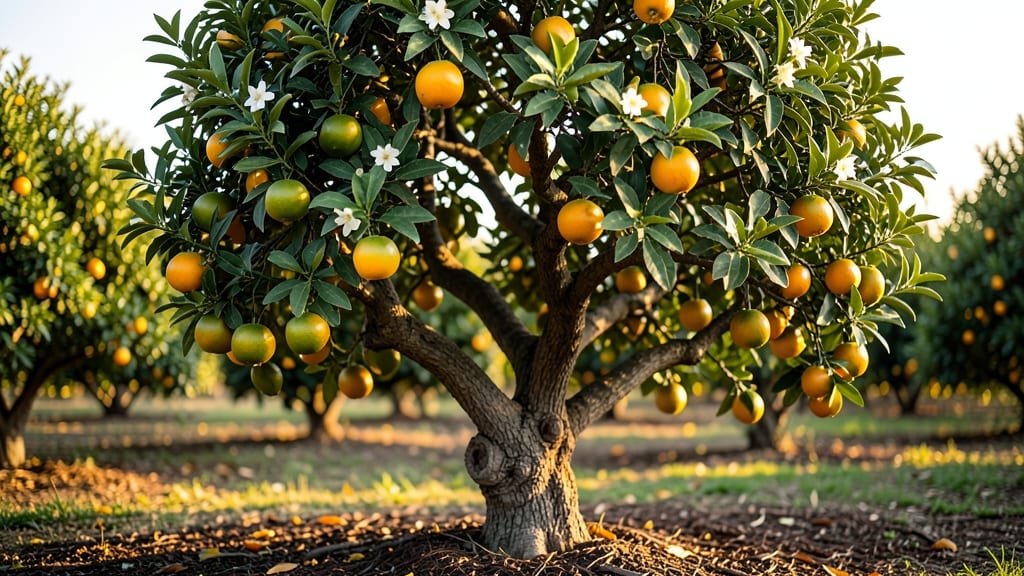
Wondering how tall orange trees grow and whether your small garden can handle one? You’re not alone—many gardeners assume citrus trees need acres of space, but the truth is far more flexible than you think.
The 🍊 you picture towering over your patio might actually stay compact with the right variety. Standard orange trees can reach 20 to 40 feet tall, but dwarf and semi-dwarf types stay between 8 to 18 feet, making them perfect for balconies, containers, or even sunny windowsills.
The key? Choosing the right type and giving it the care it needs to stay the size you want.
In this guide, I’ll break down the height differences between popular varieties, share space-saving tips for small gardens, and show you how to control growth naturally. Whether you’re dreaming of fresh-squeezed juice or just love the look of citrus foliage, there’s an orange tree that fits your space.
Let’s dive into the varieties that’ll make your garden—or even your apartment—burst with citrus charm without taking over your yard.

Orange tree height guide: how tall different varieties grow
If you’ve ever wondered whether your backyard can accommodate an orange tree, the answer depends entirely on the variety you choose. Standard orange trees like the Valencia or Navel varieties can soar to 20-40 feet tall, making them perfect for large properties but impractical for urban gardens.
Meanwhile, dwarf and semi-dwarf varieties stay compact, often reaching just 8-12 feet, ideal for containers or small yards.
The height of an orange tree isn’t just about space—it’s also tied to growth rate, fruit production, and even cold hardiness. For example, a Meyer lemon tree might max out at 10 feet but produces fruit faster than a towering Valencia orange.
Understanding these differences helps you pick the right tree for your goals, whether it’s fresh fruit or a decorative focal point.
🌱
| Variety | Mature Height | Growth Rate | Best For |
|---|---|---|---|
| Valencia Orange | 20–40 ft | Slow to moderate | Large yards, commercial orchards |
| Navel Orange | 20–30 ft | Moderate | Full sun, warm climates |
| Meyer Lemon | 8–12 ft | Fast | Containers, small gardens |
| Improved Meyer Lemon | 6–10 ft | Fast | Cold-hardy dwarf variety |
| Calamondin Orange | 6–10 ft | Moderate | Bonsai, patio containers |
| Flying Dragon (Citrus sinensis) | 8–12 ft | Slow | Ornamental, small spaces |
For in-ground planting, standard varieties like the Valencia or Navel need ample space—think of them as the skyscrapers of the citrus world. These trees require 15-20 feet of clearance from structures and other plants to avoid shading issues.
In contrast, dwarf varieties like the Calamondin or Improved Meyer thrive in 15-gallon containers, making them perfect for balconies or patios.
Container-grown orange trees also benefit from regular pruning to control height and encourage bushier growth. Without pruning, even dwarf varieties can outgrow their pots, leading to root-bound stress.
I recommend pruning in late winter or early spring before new growth begins—this ensures your tree stays compact while still producing abundant fruit.
Another factor influencing height is climate and sunlight. Orange trees need 6+ hours of full sun daily, but excessive heat can stunt growth if not balanced with proper watering.
In USDA Zones 9-11, standard varieties flourish, while colder zones (like Zone 8) may only support dwarf or semi-dwarf types. If you’re in a cooler area, opt for cold-hardy varieties like the Improved Meyer, which can tolerate brief dips to 20°F.
🪴
If you’re growing an orange tree for fruit production, remember that taller trees often take longer to bear fruit. A standard Navel orange might not produce until 3-5 years, while a dwarf Meyer lemon can yield fruit in as little as 1-2 years.
This makes dwarf varieties ideal for impatient gardeners or those with limited space. For example, my Calamondin tree in a 20-gallon pot produced its first oranges in just 18 months, proving that size doesn’t always equal patience.
One common mistake is assuming that all orange trees grow the same way. In reality, rootstock plays a huge role in height. Trees grafted onto dwarfing rootstock (like Citrange Carrizo) stay small, while those on standard rootstock grow tall.
Always check the rootstock when purchasing a tree—this detail can save you from planting a giant in a tiny yard!
For urban gardeners, vertical space is your friend. Training an orange tree against a trellis or fence can help manage height while adding a stunning vertical element to your garden. Just ensure the tree gets enough sunlight—even dwarf varieties need full sun to thrive.
I’ve seen Meyer lemon trees trained along a south-facing wall reach heights of 8 feet while producing fruit year after year.
☀️
Best space-saving orange tree varieties for small gardens
If your backyard is more patio than pasture, don’t let limited space stop you from growing citrus! Many orange tree varieties are bred to stay compact while still producing abundant fruit. The key is choosing dwarf or semi-dwarf varieties that thrive in containers or small garden plots.
These space-saving options can reach 8 to 18 feet tall at maturity—perfect for urban gardens, balconies, or even sunny windowsills.
I’ve tested several varieties in my own Zone 9b garden, and these five consistently deliver sweet fruit without taking over your yard. Each offers unique benefits, from cold hardiness to container suitability. Let’s explore the best options for small-space growers:
When selecting a variety, prioritize container size—smaller pots restrict root growth, keeping trees naturally compact. For example, a 5-gallon pot limits a Calamondin to 6 feet tall, while a 20-gallon pot allows a Ponkan to reach 10 feet.
Always choose pots with drainage holes to prevent soggy roots, and use lightweight, fast-draining mixes like cactus soil blended with perlite.
Pro tip: If you’re in a cooler climate (Zones 7–8), pair your dwarf citrus with a portable greenhouse or move pots indoors during winter. A sunny windowsill or grow light setup can extend the growing season by 2–3 months, ensuring your tree stays healthy and productive year-round.
🌱 Whether you’re growing for ornamental value, homegrown snacks, or culinary garnishes, these space-saving varieties prove that citrus thrives even in tight spaces—with the right care, your 8-foot patio tree could be yielding fruit in just 2–3 years!