
How To
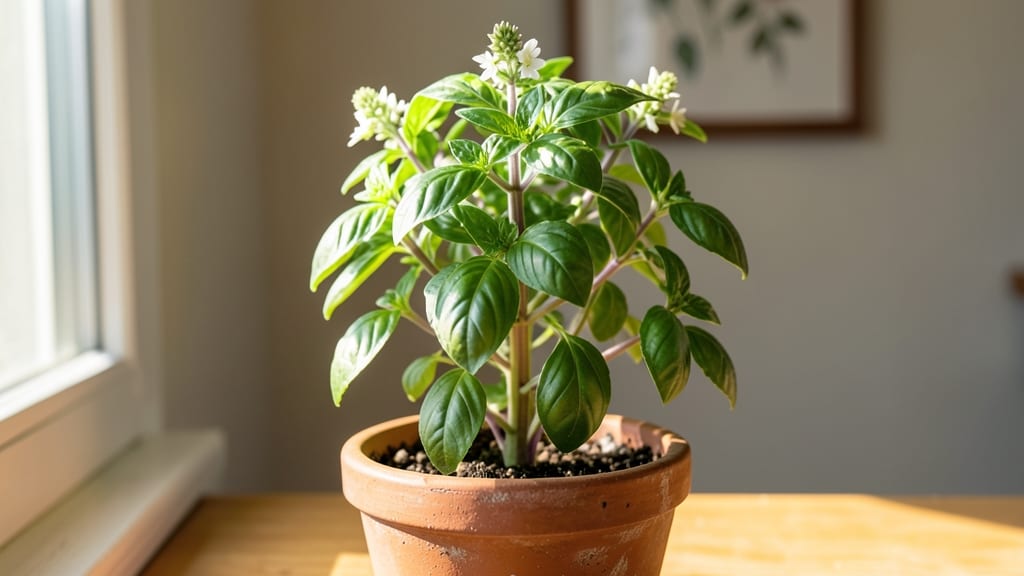
If you're dreaming of a thriving basil garden but wondering "how tall will basil grow", the answer depends more on variety and care than you might think.
That compact 6-inch dwarf basil you planted in a pot could easily reach 18 inches with proper pruning, while Genovese varieties might stretch toward 24 inches in ideal conditions.
Your basil's height isn't just about space—it's about strategy. The right variety for your container or garden bed can mean the difference between a bushy, leafy plant and one that flops over.
I'll show you how to choose varieties that fit your space while maximizing flavor and yield, no matter whether you're working with a windowsill or a raised bed.
Sunlight, soil, and even when you pinch those stems all play crucial roles in determining how tall your basil will grow. What many gardeners don't realize is that proper care can actually shorten growth in ways that benefit your harvest.
Let's break down the science behind basil heights and how you can control them to get the most out of your plants.
From dwarf varieties perfect for small pots to towering types that need support, we'll cover everything you need to know. You'll discover which basil types stay manageable in containers, which ones need staking, and how to troubleshoot when your plants aren't reaching their potential.
Ready to grow basil that's just the right height for your needs?

Basil plant height by variety: from dwarf to giant types
Your basil's height depends entirely on the variety you choose, and knowing this helps you plan your garden layout or container setup. Standard basil varieties like Genovese typically reach 18-24 inches tall, while dwarf types like 'Spicy Globe' stay compact at just 6-12 inches.
Even within these ranges, growth habits vary—some varieties grow bushier while others send up taller, leggier stems without proper care.
For container gardening, dwarf and semi-dwarf varieties are ideal since they won’t outgrow their pots. But if you’re growing in garden beds, taller varieties can thrive with proper spacing and support.
The key is matching your variety to your space—whether that’s a windowsill planter or a raised garden bed.
Genovese basil, the classic Italian variety, often tops out at 24 inches and needs staking to prevent flopping. Meanwhile, Thai basil tends to be slightly shorter (12-18 inches) but grows more vigorously. Purple basil and Lemon basil follow similar height patterns, though their unique flavors make them worth growing regardless of size.
Here’s a quick reference for the most popular basil varieties and their mature heights:
If you’re growing basil in containers, choose dwarf or semi-dwarf varieties to avoid root-bound stress. A 5-gallon pot works well for standard types, while 3-gallon containers suffice for dwarf varieties. Just ensure pots have drainage holes—basil hates soggy roots.
For garden beds, space plants 12-18 inches apart to allow airflow and prevent disease. Taller varieties like Genovese may need cage supports or trellises to stay upright, especially in windy conditions. Without support, they’ll flop over, reducing leaf access and increasing pest risks.
Pro tip: If you’re growing basil for leaf production (not seeds), prioritize bushier, shorter varieties. They yield more harvestable leaves and require less maintenance. For example, Spicy Globe produces dense foliage at just 6-12 inches tall, making it perfect for year-round indoor growing near a sunny window.
Remember, basil’s height isn’t set in stone—pruning and training can influence growth. Regularly pinching back stems encourages bushier growth, while letting it flower will send energy toward seed production, stunting leaf growth. We’ll cover these techniques in the next section!
🌿
How to control basil height: pruning, training, and container tips
Your basil’s height isn’t set in stone—with the right techniques, you can encourage bushier growth and prevent leggy stems that flop over. The key lies in pruning, training, and choosing the right container size.
Whether you’re growing Genovese basil in a garden bed or a dwarf variety on your windowsill, these methods help you control height while maximizing leaf production.
Pruning is your best friend for managing basil height. When you pinch back the top sets of leaves (about 1/3 of the plant’s height), you trigger branching, creating a fuller, more compact plant.
This works especially well for tall-growing varieties like Genovese, which can reach 24 inches without intervention. Aim to prune every 4-6 weeks during the growing season to maintain your desired height.
Step-by-Step Basil Pruning & Training Guide
- Step 1: Wait until your basil has 4-6 true leaves before pruning.
- Step 2: Use clean pruning shears to snip just above a leaf node (where leaves grow).
- Step 3: Remove flower buds as soon as they appear to redirect energy to leaves.
- Step 4: For container-grown basil, prune more aggressively to prevent root-bound stress.
- Step 5: Train tall varieties with bamboo stakes or small cages for support.
Pro Tip: Harvest leaves regularly—the more you pick, the bushier your plant grows!
Container size plays a huge role in controlling basil height. If your pot is too small (under 6 inches wide), roots become crowded, leading to stunted growth and leggy stems.
For dwarf varieties (6-12 inches tall), a 6-inch pot works, while standard varieties (18-24 inches) need at least 12-inch pots. Always use containers with drainage holes to prevent root rot, which can further limit growth.
Training your basil to grow in a specific shape isn’t just for aesthetics—it also improves airflow, reducing the risk of fungal diseases like downy mildew. For tall-growing types, gently tie stems to stakes or trellises as they grow.
This keeps plants upright and prevents them from sprawling, which can reduce leaf exposure to sunlight and stunt growth. Even compact varieties benefit from light staking if they start to lean.
Light exposure directly impacts basil height. If your plants aren’t getting enough sunlight (6+ hours daily), they’ll stretch toward light, becoming tall and weak—a condition called etiolation. To fix this, move containers to a sunnier spot or supplement with a grow light if indoors.
For outdoor gardens, place basil where it gets morning sun and afternoon shade in hot climates to avoid stress.
Finally, don’t forget that regular harvesting encourages bushier growth. When you pick leaves from the top, the plant focuses energy on producing new shoots lower down. This keeps your basil compact and productive throughout the season.
For the best results, harvest in the morning after dew has dried but before the heat of the day sets in.