
How To
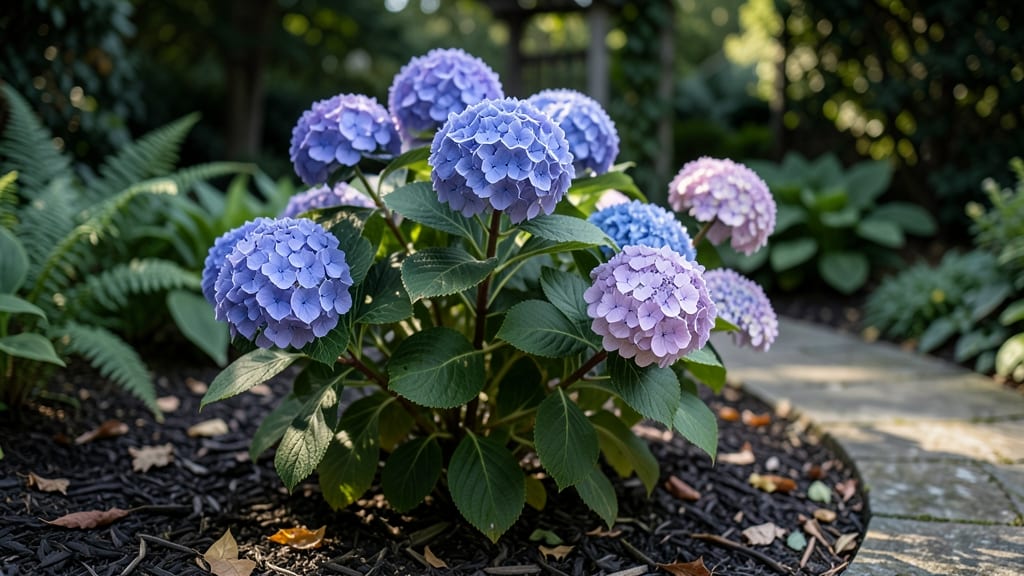
If you’ve ever wondered how tall hydrangeas will grow in your garden, the answer depends entirely on the variety—and choosing the right one can transform your space without overwhelming it.
The truth is, how tall will hydrangeas grow depends entirely on the variety—and choosing the right one can mean the difference between a stunning centerpiece and an overgrown eyesore.
Some hydrangeas stay compact enough for containers or small yards, while others can reach heights that make them perfect for privacy screens or backyard focal points. The key is understanding their growth habits so you can place them where they’ll thrive without crowding your space or requiring constant pruning.
In this guide, I’ll break down the height ranges of the most popular types—from dwarf varieties that stay under 3 feet to towering giants that can hit 8 feet or more.
You’ll also discover how sunlight, soil, and pruning techniques can influence their size, giving you the power to shape their growth to fit your garden perfectly.
Whether you’re working with a cozy patio or a sprawling backyard, knowing these details will help you pick the perfect hydrangea for your space—and watch it flourish year after year.

Hydrangea height by variety: compact vs. giant growth habits
Hydrangeas are famous for their lush blooms and dramatic foliage colors, but their mature height can vary wildly—from 2-foot dwarfs to towering 8-foot giants. Choosing the right variety for your space ensures your garden stays balanced and your hydrangeas thrive without crowding other plants.
The bigleaf hydrangea (Hydrangea macrophylla) is the most popular type, but its height depends on the specific cultivar. For example, 'Endless Summer' grows 3-5 feet tall, while 'Nikko Blue' can reach 6-8 feet.
Meanwhile, panicle hydrangeas like 'Limelight' often top out at 6-10 feet, making them ideal for tall hedges or privacy screens.
Oakleaf hydrangeas (Hydrangea quercifolia) strike a middle ground, typically growing 4-6 feet tall with a spreading habit. Their fall foliage turns stunning shades of red and orange, adding seasonal interest. If you're working with limited space, consider dwarf varieties like 'Little Lime' or 'Penny Mac', which stay under 3 feet tall.
Here’s a quick reference to help you visualize how these varieties compare in your garden:
| Variety | Mature Height | Spread | Ideal Spacing | Best For |
|---|---|---|---|---|
| Bigleaf ('Endless Summer') | 3-5 ft | 3-4 ft | 3-4 ft apart | Borders, containers |
| Bigleaf ('Nikko Blue') | 6-8 ft | 5-6 ft | 6-8 ft apart | Shade trees, hedges |
| Panicle ('Limelight') | 6-10 ft | 4-6 ft | 8-10 ft apart | Privacy screens, tall borders |
| Oakleaf ('Snowflake') | 4-6 ft | 4-5 ft | 4-5 ft apart | Woodland gardens, mixed borders |
| Dwarf ('Little Lime') | 2-3 ft | 2-3 ft | 2-3 ft apart | Containers, small gardens |
| Smooth ('Annabelle') | 3-5 ft | 3-4 ft | 3-4 ft apart | Full sun areas, cottage gardens |
When planning your garden, always account for mature height and spread. For example, a 6-foot panicle hydrangea planted 3 feet from your house will quickly outgrow its space, while a 3-foot dwarf in a 10-gallon container will stay compact for years.
If you're unsure, err on the side of more space—hydrangeas resent being root-bound.
Another key factor is pruning habits. Bigleaf hydrangeas bloom on old wood, so pruning too aggressively can reduce next year’s flowers. In contrast, panicle and smooth hydrangeas bloom on new wood, making them easier to shape. Always research your variety’s
How to choose hydrangeas based on your garden space
Selecting the right hydrangea variety isn’t just about color—it’s about matching their mature height to your space. A 6-foot oakleaf won’t fit in a 12-inch pot, while a 2-foot dwarf mophead might get lost in a backyard hedge.
Let’s break down how to pick the perfect fit for your garden’s layout, whether you’re working with a tiny balcony, a small yard, or a privacy screen.
For containers and patios, prioritize dwarf or semi-dwarf varieties like ‘Little Lime’ (3 ft) or ‘Endless Summer’ (3-5 ft). These thrive in 5-gallon pots with proper drainage and won’t outgrow their space.
If you’re using hydrangeas as a privacy hedge, opt for taller varieties like ‘Annabelle’ (5-6 ft) or ‘Grandiflora’ (6-8 ft), spacing them 3-5 feet apart for a lush, impenetrable barrier.
🌿
| Variety | Mature Height | Best For | Spacing |
|---|---|---|---|
| ‘Little Lime’ (Panicle) | 3 ft | Containers, small gardens | 2-3 ft apart |
| ‘Endless Summer’ (Mophead) | 3-5 ft | Borders, foundation plantings | 3-4 ft apart |
| ‘Annabelle’ (Panicle) | 5-6 ft | Privacy screens, hedges | 4-5 ft apart |
| ‘Oakleaf’ (Oakleaf) | 6-8 ft | Woodland gardens, large yards | 5-6 ft apart |
| ‘Limelight’ (Panicle) | 4-6 ft | Mixed borders, focal points | 3-4 ft apart |
If you’re designing a woodland garden with dappled shade, oakleaf hydrangeas are your best bet—they reach 6-8 feet tall and thrive in shadier conditions than other types.
For urban gardens with limited space, consider ‘Mini Penny’ (2 ft) or ‘Pia’ (2-3 ft), which fit perfectly in hanging baskets or window boxes.
Pro tip: Always check the mature spread too—some varieties like ‘Annabelle’ can grow 4-5 feet wide, so plan accordingly. And if you’re unsure, start with a smaller variety in a pot; you can always transplant it later if it outgrows its spot.
🌳
For pruning to control height, time it right: Panicle and oakleaf hydrangeas bloom on old wood, so prune right after flowering in late summer or early fall. Mophead varieties (like ‘Endless Summer’) bloom on new wood, so prune in late winter or early spring to encourage compact growth.
Never prune more than 1/3 of the plant, or you’ll risk stunting blooms for the next season.