
How To
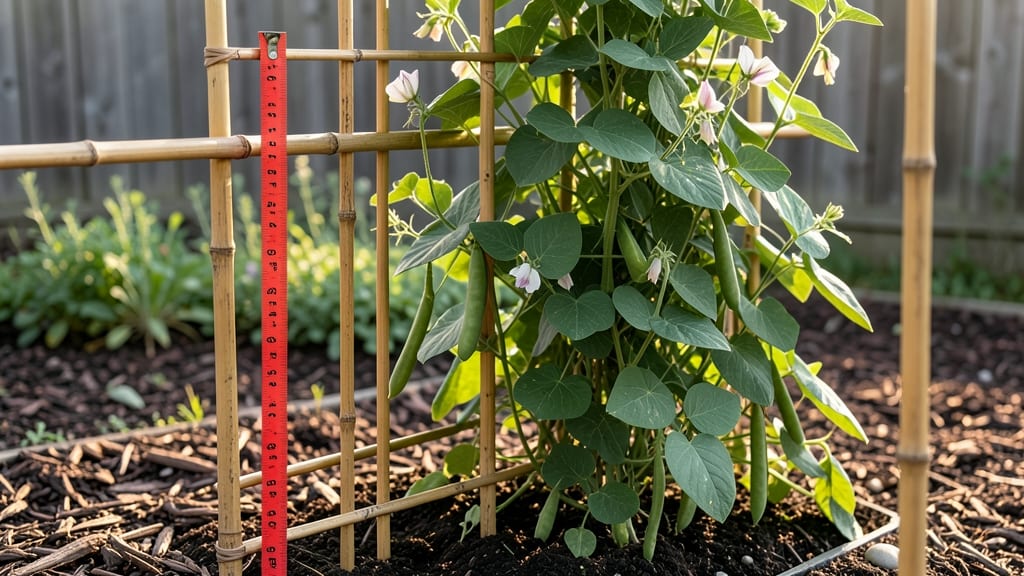
If you’ve ever wondered how tall will sugar snap peas grow in your garden, the answer might surprise you—these little climbers can reach heights of 6 to 8 feet when given the right support!
Unlike their bushy cousins, sugar snap peas 🌱 are natural vining plants, and their vertical growth isn’t just impressive—it’s the key to bigger harvests and smarter space use.
Most gardeners assume these peas will sprawl across the ground, but with a sturdy trellis or stakes, they’ll shoot straight up like nature’s ladder. The variety you choose makes a big difference—some stay shorter (3–4 feet), while others stretch toward the sky.
I’ll break down what to expect based on your garden setup and how to encourage that vertical growth without the guesswork.
What’s even better? Training your sugar snap peas to climb saves space and keeps pods cleaner, reducing rot and pests. Whether you’re working with a small balcony garden or a backyard plot, understanding their growth habits means you’ll know exactly how to support them for a bountiful harvest.
Let’s dive into the details so you can plan your trellis setup like a pro.
Ready to transform your garden into a vertical pea paradise? You’ll learn which trellis types work best, how to avoid common mistakes, and why some varieties outperform others. No more wondering if your peas will flop—just a clear roadmap to maximize height and yield this season.

Sugar snap pea growth height by variety: what to expect from dwarf to vining types
Sugar snap peas are famous for their impressive vertical growth, but not all varieties reach the same heights. Some stay compact, while others climb like vines up your tallest trellis. Understanding these differences helps you plan your garden layout and support structures effectively.
For example, dwarf varieties like 'Sugar Sprint' top out at just 3–4 feet, making them perfect for small spaces or containers, while vining types like 'Super Sugar Snap' can soar to 8–10 feet when given proper support.
The height of your sugar snap peas isn’t just about variety—it’s also influenced by growing conditions like sunlight, soil quality, and trellis type. A semi-bush variety, such as 'Oregon Sugar Pod,' typically grows 4–6 feet tall, striking a balance between space efficiency and yield.
Meanwhile, traditional vining types need strong support to reach their full potential. If you’re short on space, consider bush varieties, but if you want maximum production, vining types are worth the extra vertical real estate.
Here’s a quick comparison of popular sugar snap pea varieties and their mature heights to help you choose the best fit for your garden:
When selecting a variety, consider your garden’s layout and your willingness to provide support. Dwarf varieties are ideal for container gardening or small balconies, while vining types thrive in large gardens with tall trellises.
For example, 'Super Sugar Snap' can easily outgrow a 6-foot trellis, so plan accordingly. If you’re unsure, start with a semi-bush variety like 'Oregon Sugar Pod'—it offers a happy medium between space efficiency and height.
Another factor influencing height is your growing region. Sugar snap peas in warmer climates (like USDA Zone 8+) may grow slightly taller due to longer growing seasons, while those in cooler regions (Zone 5 or below) might stay shorter without proper support.
Always check your seed packet for regional height recommendations, as some varieties perform better in specific climates. For instance, 'Sugar Sprint' is bred for shorter growing seasons and may not reach its full height in tropical areas.
If you’re growing sugar snap peas in containers, choose a dwarf variety like 'Tom Thumb' to avoid overcrowding. These compact plants are perfect for 5-gallon buckets or hanging baskets, as long as you provide a small trellis or cage for support.
Even dwarf varieties benefit from vertical growth—it improves air circulation and reduces disease risk. For ground planting, vining types will spread out more, so give them at least 2–3 feet of space between plants to prevent competition for nutrients.
One common misconception is that all sugar snap peas need tall trellises. While vining types do, bush varieties can thrive without support, though they may produce fewer pods.
If you’re growing mixed varieties, place taller types at the back of your garden bed and shorter ones in front to create a layered look. This not only saves space but also makes harvesting easier—you won’t have to bend as far to pick pods from lower-growing plants.
To encourage maximum height, focus on soil health and consistent watering. Sugar snap peas are nitrogen-loving plants, so amend your soil with compost or aged manure before planting. Avoid over-fertilizing with nitrogen, though, as it can lead to leafy growth at the expense of pods.
Instead, use a balanced fertilizer (like 5-10-10) at planting and again when flowers appear. Pair this with regular
Vertical growth chart: sugar snap peas on trellises vs. no support
Sugar snap peas are vigorous climbers, but their height depends heavily on whether you provide support. Without trellises or stakes, they’ll sprawl wildly—reaching 3–4 feet but producing fewer pods.
With proper support, most varieties soar to 6–10 feet, maximizing both yield and space. The difference isn’t just aesthetic; it’s about plant health and harvest efficiency.
Trellises transform sugar snap peas from ground-hugging vines into towering vertical gardens. A sturdy trellis directs their energy upward, reducing disease risk from soil-borne pathogens and making pods easier to harvest. The chart below compares growth with and without support, broken down by weeks and trellis type.
This will help you visualize how quickly your peas will climb—and when to expect that first harvest-ready pod.
| Growth Stage | No Support (Sprawling) | Bamboo Trellis (4–6 ft) | Cattle Panel (6–10 ft) | Netting (5–8 ft) |
|---|---|---|---|---|
| Week 1–2 | 0–6" | 0–6" | 0–6" | 0–6" |
| Week 3–4 | 1–2 ft | 2–3 ft | 2–3 ft | 2–3 ft |
| Week 5–6 | 2–3 ft | 4–5 ft | 5–7 ft | 4–6 ft |
| Week 7–8 | 3–4 ft | 5–6 ft | 7–10 ft | 6–8 ft |
| Week 9–12 | 3–4 ft (stops growing) | 5–6 ft (plateaus) | 8–10 ft (max height) | 6–8 ft (steady) |
Notice how cattle panels outperform other trellises by 2–4 feet? That’s because their rigid structure mimics a natural vine’s need for strong vertical support. Bamboo and netting work well too, but they require more frequent adjustments as vines thicken.
If you’re short on space, opt for compact varieties like 'Sugar Sprint'—they’ll still reach 4–6 feet with support but won’t overwhelm your garden.
Here’s a pro tip: Train vines early. Once they hit 12 inches, gently weave them through trellis gaps. This prevents vine breakage and ensures even growth. Avoid letting vines twist around each other—it creates weak points that snap under the weight of pods.
Think of it like teaching your peas to climb a ladder instead of sprawling like a tangled mess.
One common misconception is that sugar snap peas will grow just as tall without support. They will, but their energy goes into horizontal spread instead of pod production. Unsupported peas also face higher risks of fungal diseases from damp foliage touching the soil.
If you’re growing in containers, use a mini trellis (like a tomato cage) to save space while boosting yield.
Ready to turn your garden into a pea tower? Start with a 6-foot trellis for most varieties, and watch those vines race toward the sky—literally! With the right support, you’ll be harvesting crisp, sweet pods from waist height in no time. 🌱