
How To
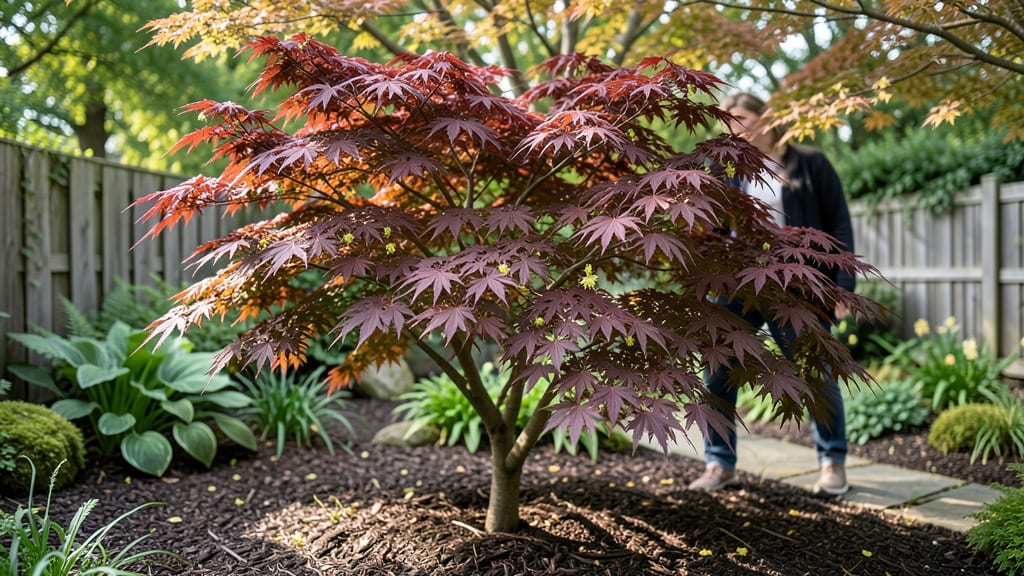
Ever wondered how tall that stunning Japanese Maple 🌿 in your neighbor's yard could grow—or if it'll stay small enough for your cozy backyard? The answer isn't one-size-fits-all, because these trees range from 6-foot dwarf varieties to towering 30-foot giants, depending on the cultivar and how you care for it.
If you're planning your garden layout, knowing these growth ranges is key to avoiding surprises. Some Japanese maples mature faster than others, and pruning habits can dramatically shape their final height.
Whether you're dreaming of a delicate patio tree or a grand shade provider, understanding the growth potential helps you choose—and cultivate—the perfect size for your space.
Let’s break down the height ranges of popular varieties, from the dwarf options that fit in containers to the standard trees that reach small-tree heights. You’ll also discover practical tips to control growth, whether you want to keep your maple compact or encourage it to reach its full majestic potential.
Ready to pick the perfect Japanese Maple for your garden? I’ll show you how to match the tree’s growth habits to your landscape—so you can enjoy its beauty without the headaches of overgrowth.

Japanese maple height ranges by variety: dwarf to giant growth charts
Japanese maples are famous for their stunning foliage and adaptable sizes, but their mature heights can surprise even experienced gardeners. The dwarf varieties stay under 10 feet, while the largest specimens can reach 30 feet—that’s the difference between a patio centerpiece and a small shade tree!
Understanding these ranges helps you choose the perfect variety for your space, whether you have a cozy container garden or a sprawling backyard.
The growth rate also varies dramatically. Some dwarf varieties grow just 6 inches per year, while faster-growing standard types can add 2 feet annually in ideal conditions. This means a 10-foot tree might take 5 years to mature in one case but only 2 years in another.
Let’s break down the most popular varieties by their mature heights and growth habits to help you plan your garden layout.
🌿 Visual Guide: Japanese Maple Height Comparison
| Variety | Mature Height | Growth Rate | Ideal Spacing |
|---|---|---|---|
| 'Crimson Queen' | 6–10 ft | 6–12 in/year | 8–10 ft from structures |
| 'Bloodgood' | 15–25 ft | 12–24 in/year | 20–25 ft from buildings |
| 'Shishigashira' | 4–6 ft | 3–6 in/year | 5–6 ft in containers |
| 'Emperor I' | 20–30 ft | 18–24 in/year | 30+ ft in open spaces |
| 'Green Cascade' | 3–5 ft | 4–8 in/year | 4–5 ft in containers |
| 'Sango-kaku' | 12–15 ft | 8–12 in/year | 15–20 ft from structures |
The 'Crimson Queen' is a fan favorite for small gardens because it stays under 10 feet while delivering vibrant red foliage. Meanwhile, the 'Emperor I' is a statement piece that rivals oak trees in stature, making it ideal for large landscapes or park settings.
If you’re working with containers, varieties like 'Green Cascade' or 'Shishigashira' thrive in 5-gallon pots and can be moved seasonally.
One common misconception is that all Japanese maples grow slowly. While dwarf varieties do have modest growth rates, standard types like 'Bloodgood' can grow 2 feet per year when given rich soil and consistent moisture.
This means your 15-foot dream tree could reach maturity in just 7–10 years with proper care. Always check the cultivar’s growth rate before planting to avoid overcrowding.
For urban gardens or balconies, consider bonsai-trained Japanese maples, which can stay under 3 feet for decades. These miniature versions require regular pruning and root restriction to maintain their petite size.
Even full-sized trees can be pruned to control height—just avoid over-pruning, which can stress the tree and reduce its disease resistance.
When planning your garden, remember that Japanese maples need space not just for their height but also for their canopy spread. A 20-foot tree like 'Bloodgood' might need 15–20 feet of clearance on all sides to prevent root competition and leaf rub against structures.
Always measure your space and choose a variety that fits both height and width requirements.
If you’re unsure which variety to pick, start with 'Crimson Queen' or 'Green Cascade' for beginner-friendly options. Both are low-maintenance and adapt well to container growing. For a bold focal point, the 'Emperor I' or 'Bloodgood' will deliver dramatic results over time.
Just be prepared to prune regularly if you want to keep them from outgrowing their space.
🌳
Japanese maple height ranges by variety: dwarf to giant growth charts
Japanese maples offer an incredible range of mature heights, from 6-foot dwarf varieties perfect for containers to 30-foot giants that create stunning focal points in large gardens. The key to choosing the right size starts with understanding how each cultivar grows over time.
Some varieties grow just 1-2 feet per year, while others can shoot up 3-5 feet annually in ideal conditions.
Your garden's available space shouldn't limit your Japanese maple dreams—whether you have a small patio or sprawling landscape, there's a perfect variety to match. The growth chart below breaks down popular cultivars by their mature height ranges, helping you visualize which will thrive in your specific environment.
Remember, these are general guidelines—proper care can influence how close your tree stays to these measurements.
| Variety | Mature Height | Growth Rate | Ideal Spacing |
|---|---|---|---|
| 'Crimson Queen' | 6-12 ft | 1-2 ft/year | 4-6 ft from structures |
| 'Bloodgood' | 15-25 ft | 2-3 ft/year | 10-15 ft from buildings |
| 'Shishigashira' | 8-12 ft | 1-2 ft/year | 5-7 ft from other plants |
| 'Emperor I' | 20-30 ft | 3-5 ft/year | 20+ ft from structures |
| 'Green Cascade' | 3-6 ft | 6-12 in/year | 2-3 ft from edges |
The 'Crimson Queen' and 'Green Cascade' varieties are excellent choices for smaller gardens or container growing, while 'Bloodgood' and 'Emperor I' will make dramatic statements in larger landscapes. Even within these categories, growth can vary based on your local climate—cooler regions often see slower growth rates compared to warmer areas.
Always check your specific cultivar's details, as some labeled as "dwarf" can still reach unexpected heights over decades.
For container growing, choose varieties like 'Crimson Queen' or 'Shishigashira'—their compact growth makes them ideal for patio displays. Just remember that even dwarf varieties need proper root space to thrive. A 15-gallon container typically works for the smallest varieties, while medium-sized maples may need 30-50 gallons for long-term health.
Always include drainage holes to prevent root rot, which can stunt growth or kill your tree.
If you're planning a long-term landscape design, consider how your Japanese maple will interact with other plants as it matures. A 25-foot 'Bloodgood' needs at least 10 feet of clearance from buildings and power lines, while a 6-foot 'Green Cascade' can happily spill over a patio edge.
Think about future maintenance access too—taller varieties will need regular pruning to keep branches from becoming unwieldy over time.
One often-overlooked factor in height control is soil quality. Japanese maples thrive in well-draining, slightly acidic soil (pH 5.0-6.0). Poor soil conditions can stress the tree, leading to slower growth or even stunted development.
Amend your planting area with organic matter like compost before installing your new maple to create optimal growing conditions from day one. This simple step can help ensure your tree reaches its full potential height without unexpected surprises.