
Companion Plants
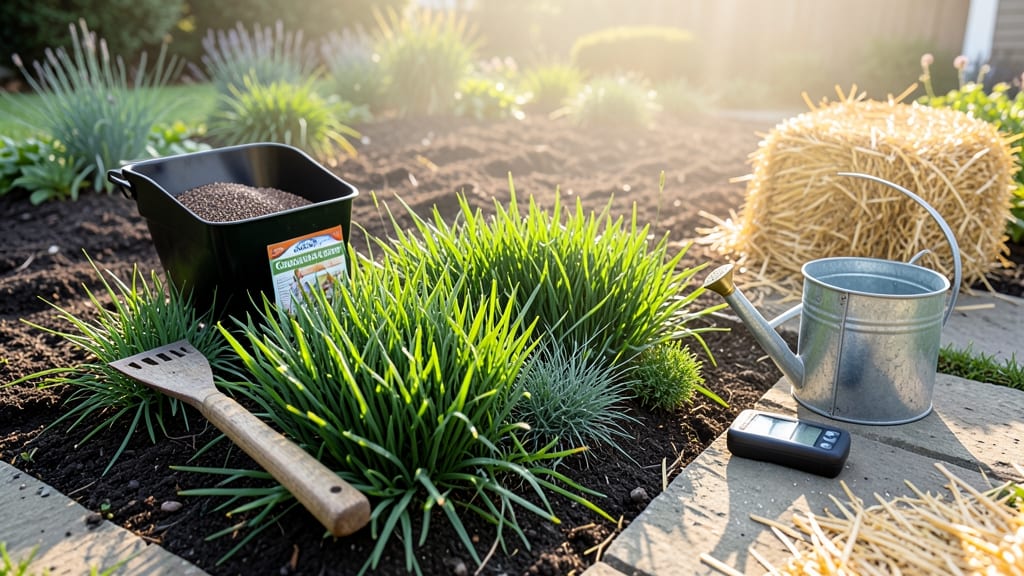
Planting grass seed in Colorado at the wrong time can turn your lawn dreams into a patchy, frustrating mess—especially with the state’s wild elevation swings and unpredictable frost patterns. One week of perfect timing can mean the difference between a lush, resilient lawn and months of bare spots fighting weeds.
If you’ve ever stared at your calendar wondering, "Is now the right moment?", you’re not alone. Colorado’s USDA Zones 4-7 create a puzzle: Front Range areas (Zones 5-6) have different rules than the Western Slope (Zones 4-5), and even a single degree can shift your success.
The key? Planting when soil temps hit 50°F+ and avoiding those scorching 85°F+ days that fry fresh seeds.
In this guide, I’ll break down the exact windows for spring and fall planting—plus how to read your local microclimate like a pro.
You’ll learn which grass types thrive at your elevation, how to prep soil without overcomplicating it, and the 3 signs your lawn is actually ready (hint: it’s not just about the calendar).
Ready to skip the guesswork? Let’s turn your Colorado lawn from "maybe next year" to "green and growing in weeks."
Colorado grass planting dates by elevation Zone (with frost risk charts)
Colorado’s dramatic elevation changes—from 5,280 feet in Denver to over 14,000 feet in the mountains—mean grass seed planting windows vary wildly. Planting at the wrong time can lead to seed washout, fungal diseases, or slow germination.
The key is aligning your schedule with soil temperatures, frost dates, and regional microclimates.
Most Colorado gardeners focus on two planting seasons: late spring (April–May) and early fall (August–September). Fall is ideal because cooler temps reduce water stress and weed competition, while spring gives seeds a head start before summer heat.
However, elevations above 8,000 feet shift these windows by 4–6 weeks later due to shorter growing seasons.
🌱 PRO TIP: Use the 50°F soil temperature rule—grass seeds need consistently warm soil to sprout. Test with a soil thermometer or press your hand into the ground: if it feels like a warm bath (not hot), it’s ready.
Colorado Grass Planting Timeline by Elevation
| Elevation Zone | USDA Zone | Optimal Planting Window | Last Frost Date | First Frost Date | Soil Temp Threshold |
|---|---|---|---|---|---|
| Front Range (Denver, Boulder) | 5–6 | Spring: Early April–Mid-May Fall: Late August–Mid-September |
April 15–May 1 | October 15–November 1 | 50–65°F |
| Foothills (Fort Collins, Colorado Springs) | 4–5 | Spring: Mid-April–Early June Fall: Early September–Early October |
May 1–May 15 | October 1–October 15 | 45–60°F |
| Mountains (Aspen, Vail, Telluride) | 3–4 | Spring: Late May–Early July Fall: Mid-August–Late September |
May 15–June 1 | September 15–October 1 | 40–55°F |
| Western Slope (Grand Junction, Durango) | 5–6 | Spring: Early April–Mid-May Fall: Late August–Mid-October |
April 1–April 15 | November 1–November 15 | 50–65°F |
⚠️ Note: Urban areas (e.g., Denver) may experience heat islands that delay frost by 1–2 weeks. Rural areas at higher elevations can have earlier frosts—adjust accordingly.
Urban vs. rural microclimates also play a role. Cities like Denver and Colorado Springs have "urban heat islands" that can push frost dates back by 1–2 weeks, while rural high-altitude areas may see frost 2–3 weeks earlier.
Check local CoCoRaHS weather stations or your county extension office for precise data.
For spring planting, aim to finish 4–6 weeks before the last frost to avoid seedling damage. In Zone 5–6 (Front Range), this means planting by mid-May. In Zone 4 (mountains), wait until late May or June to avoid late snow or frost.
Fall planting is trickier because daylight hours shorten rapidly. Seedlings need 6–8 hours of sunlight daily to establish roots. Plant 6–8 weeks before the first hard frost—typically late August for Zone 6 and early September for Zone 4—to give grass time to root before winter.
🌡️ KEY FACTOR: Avoid planting when daytime temps exceed 85°F or soil temps hit 75°F+. Heat stress causes seeds to dry out before germination. Use a lightweight row cover or shade cloth if summer temps run hot.
Colorado’s drought-prone climate means post-planting watering is critical. New grass needs 1–1.5 inches of water per week during establishment, split into 2–3 sessions to encourage deep roots. Use a rain gauge or tuna can to measure—most sprinklers overwater by 30–50%.
If you’re seeding in shady areas (less than 4 hours of sun), opt for fine fescue blends and extend your planting window by 2–3 weeks. Shade slows germination, so keep soil moist with daily checks during the first 2 weeks.
Signs your Colorado lawn is ready for grass seed (beyond calendar dates)
Colorado’s unpredictable weather means relying on calendar dates alone can backfire. Instead, watch for these soil and environmental cues to know when your lawn is truly ready for grass seed. The ideal soil temperature for germination is between 50°F and 65°F, but other factors play a critical role too.
Start by checking the soil moisture. Press your finger about 1 inch deep—if it feels dry, water thoroughly before planting. Grass seed needs consistent moisture to sprout, so aim for 1-1.5 inches of water per week during establishment.
Overwatering is just as harmful as underwatering, so balance is key.
Next, test for weed competition. If weeds like crabgrass or dandelions are thriving, they’ll outcompete your new grass. Use a pre-emergent herbicide 2-3 weeks before planting to give your seed a fighting chance. A weed-free base ensures your grass gets the nutrients and sunlight it needs to thrive.
Spring planting before soil warms to 50°F risks frost damage, while fall planting after October 15 (Zone 5-6) leaves seed vulnerable to winter stress. Even if calendar dates align, cool nights or dry spells can stall germination.
Pay attention to daytime temperatures. If highs consistently exceed 85°F, germination slows or stops due to seed desiccation. Early morning planting helps seeds stay moist longer. For high-elevation areas (e.g., Denver, Colorado Springs), aim for late August to mid-September—this gives roots time to establish before winter.
Finally, inspect your soil’s texture and pH. Grass prefers a slightly acidic to neutral pH (6.0-7.0). Test your soil with a home kit or lab test—if pH is off, amend with lime (to raise pH) or sulfur (to lower pH) 4-6 weeks before planting.
Loose, well-draining soil is non-negotiable for seed-to-sprout success.
Pro tip: Scratch-test your soil. Dig a 2-inch hole, fill it with water, and time how long it takes to drain. If it drains in 2 hours, your soil is ready.
If it pools, amend with compost or sand to improve drainage. A healthy start means faster germination and fewer weeds down the road.