
Plants
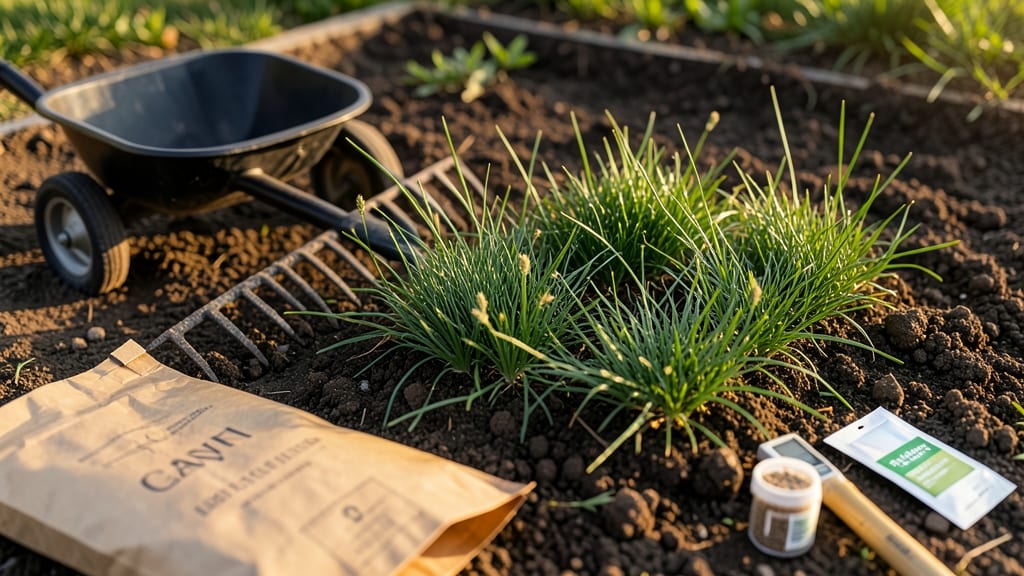
Timing your grass seed planting in New York can make the difference between a lush, green lawn and a patchy, weed-filled disappointment. With New York's unpredictable spring rains and early fall frosts, getting it right means understanding the perfect window—and it’s not what most people guess.
Most gardeners assume spring is the only time to plant, but the secret weapon for strong root growth in New York’s 5a-7b zones is actually late summer. Why? Because cooler temperatures and consistent rainfall give grass seeds the ideal conditions to establish deep roots before winter hits.
But there’s a catch: planting too early in spring risks frost damage, while waiting too late in fall leaves your lawn vulnerable to weeds.
I’ve seen firsthand how a well-timed planting transforms a struggling lawn into a vibrant carpet of green. Whether you’re in Upstate New York or the NYC metro area, the right approach depends on soil prep, weather patterns, and avoiding common mistakes that derail even the best-laid plans.
Let’s break down exactly when—and how—to plant for a lawn that stays green all season long.
Ready to skip the guesswork? You’ll learn the exact months to plant, how to prep your soil, and the simple tricks that keep weeds at bay. Your future lawn will thank you.
Best time to plant grass seed in New York: spring vs. fall planting guide
New York’s climate zones (5a-7b) create a unique challenge for lawn lovers—too early, and frost zaps your seedlings; too late, and summer heat stresses young roots. The best planting windows are early spring (March-April) and late summer (August-September), but which works better for your yard?
Let’s break it down by soil temperature, rainfall patterns, and air temperatures to help you decide.
Upstate New York’s cooler microclimates (like Buffalo) favor late April to early May planting, while NYC’s urban heat islands can push fall planting into mid-October. The key is planting when soil temps hit 50°F+—cold soil slows germination.
In Zone 6a (northern NY), aim for May 1; in Zone 7b (Long Island), September 15 is ideal.
Spring planting gives you a full 6-8 week growing season before summer heat, but early spring (March) risks frost damage. Fall planting avoids summer pests and drought, but late September planting may not establish roots before winter.
The sweet spot? Plant 4-6 weeks before your first frost—typically mid-August to early September for most of NY.
🌱
| Factor | Spring Planting (March-April) | Fall Planting (August-September) |
|---|---|---|
| Soil Temperature | 50-60°F (warms quickly) | 55-65°F (stays warm longer) |
| Air Temperature | 40-60°F (cool nights) | 65-75°F (mild days) |
| Rainfall | Moderate (April showers) | High (September humidity) |
| Pest Risk | Low (dormant pests) | High (grubs, chinch bugs) |
| Growth Speed | Slower (cool temps) | Faster (warm soil) |
| Best For | Shade-tolerant varieties (e.g., Kentucky Bluegrass) | Sun-loving grasses (e.g., Tall Fescue, Perennial Ryegrass) |
For cool-season grasses (like Tall Fescue), fall planting wins because warm soil and cool air reduce stress. Warm-season grasses (e.g., Bermuda) should only be planted in late spring—they won’t survive NY winters.
Most NY lawns use mix blends, so aim for late August to give roots time to harden before October’s first frost.
Upstate regions like Syracuse or Rochester should plant 1-2 weeks later than NYC due to cooler nights. Use a soil thermometer ($10 at garden centers) to confirm temps—below 50°F delays germination by 3-5 days. Pro move: Mulch seeds with straw to retain moisture and regulate temps.
If you’re torn between seasons, late August is the safest bet for most of NY. This gives seeds 6-8 weeks of warm soil before winter.
For spring planting, don’t wait past April 30—summer heat will dry out seedlings faster than you can water. Consistency is key: daily watering for 2 weeks post-planting, then taper to 3x/week.
💧
Remember: NYC’s concrete jungles stay warmer than Upstate farms, so adjust your timeline by 10-14 days. Track your local USDA frost dates (check almanac.com) and plant 4-6 weeks before the average first frost.
This ensures roots are 2-3 inches deep before winter dormancy—your grass will thank you with thicker growth next spring.
✂️
How to prepare your New York lawn for grass seed planting in any season
Preparing your New York lawn before planting grass seed is the secret to avoiding patchy growth and weeds. Whether you're planting in spring or fall, the key steps—soil testing, weed control, and aeration—ensure your seeds take root.
Upstate New York’s cooler climate and NYC’s dense soil both need special attention.
Start by testing your soil pH—ideal levels for grass are between 6.0 and 7.0. If your soil is too acidic or alkaline, add lime or sulfur to adjust it.
This step is critical because compacted soil in urban areas like Brooklyn or Buffalo can strangle young grass roots before they even sprout.