
Companion Plants
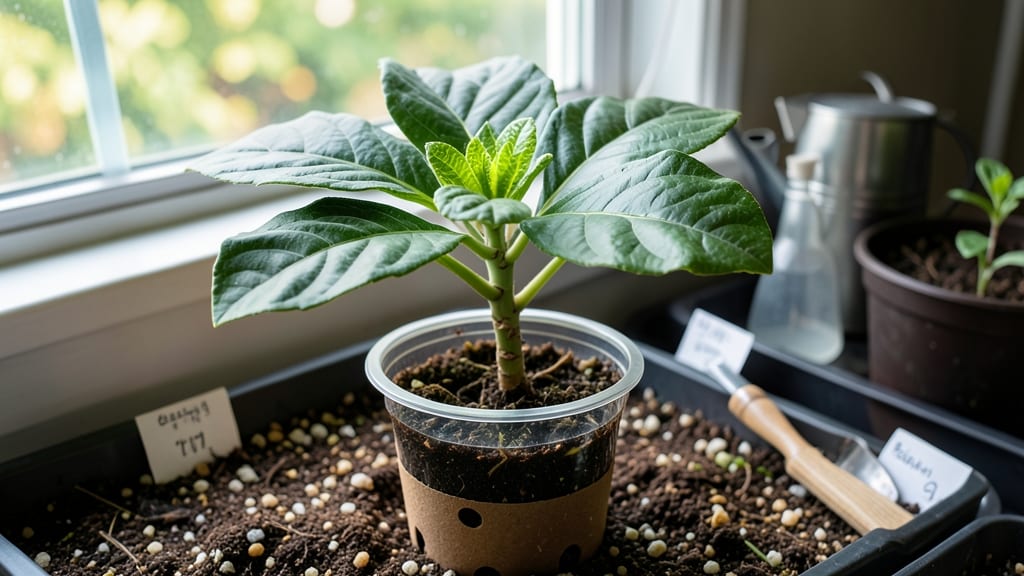
Planting your avocado seed in soil at the wrong time can mean the difference between a thriving 🥑 tree and a sad, wilted failure. The key to success lies in understanding your climate zone and seasonal cues—because avocado seedlings are delicate, and frost is their worst enemy.
If you're in a temperate zone like 6a, you'll want to wait until after the last frost date—typically March or April—when temperatures stay consistently above 50°F.
But what if you're eager to start sooner? I’ll show you how to prep your seed indoors so it’s ready to transition to soil when conditions are perfect.
Don’t worry if you’re new to this—we’ll break down exactly what to look for in your seedling before transplanting, like root growth and leaf strength. You’ll also learn how to protect your young tree from temperature swings, whether you’re in a warm climate or a cooler one.
By the end, you’ll know the exact steps to give your avocado seed the best shot at growing into a healthy, fruit-bearing tree. Let’s get started!
Optimal soil planting timing for avocado seeds by climate zone
Avocado seeds thrive in warmth, so timing your transplant depends on your USDA zone. In zero-frost zones (10-12), like Florida or Southern California, you can plant directly outdoors year-round—but most gardeners start indoors 6–8 weeks before last frost for cooler climates.
The key is waiting until soil temperatures stay above 60°F (15°C) consistently.
For USDA Zones 9-10, aim to transplant between February and April, when nighttime temps rarely dip below 50°F (10°C). In Zones 7-8, wait until after May 15 to avoid late frosts.
Gardeners in Zones 6 or colder should treat avocado seeds as tropical houseplants and never plant outdoors.
Your seedling’s root system and stem thickness determine readiness. A healthy seedling will have 2–4 inches of roots and a wooden stem (not green). Transplanting too soon risks root shock; waiting too long delays growth. Below is a zone-by-zone breakdown to guide you.
| Zone | Ideal Transplant Window | Soil Temp Requirement | Indoor Prep Time | Key Risk |
|---|---|---|---|---|
| 10–12 (Tropical) | Year-round (best: Feb–Apr) | 60°F+ (15°C+) | Optional (6–8 weeks) | Pests (scale, mites) |
| 9 (Marginal) | Feb 15–Apr 30 | 65°F+ (18°C+) | 8–12 weeks | Late frost |
| 8 (Cooler) | May 1–Jun 15 | 70°F+ (21°C+) | 10–12 weeks | Root shock |
| 7 or Colder | Never outdoors (container only) | N/A (indoor heat mat) | 12+ weeks | Cold damage |
If you’re in Zones 7–8, use a heat mat or grow light to simulate tropical conditions. Place your seedling near a south-facing window or under LED grow lights (12+ hours/day) until soil temps stabilize.
For Zones 9–10, harden off seedlings by moving them outdoors for 2–3 hours/day before full transplant.
Pro tip: Use a soil thermometer to confirm temps. Avocado roots struggle below 55°F (13°C), so wait until nighttime lows stay above 60°F (15°C). In containers, roots warm faster than in-ground soil—ideal for cooler climates.
After transplanting, mulch with 2–3 inches of organic matter (e.g., straw or shredded leaves) to retain heat. Avoid nitrogen-heavy fertilizers for the first 3 months—focus on phosphorus (P) to encourage root growth. Water deeply once weekly in Zones 10–12 and every 10–14 days in Zones 9–10.
Remember: Avocado seeds germinate slowly (4–12 weeks), so patience is key. If your seedling shows yellowing leaves or stunted growth after transplanting, it may need more sunlight or warmer soil. Adjust care based on your zone’s microclimate—e.g., coastal areas stay warmer longer than inland regions.
🥑
Optimal soil planting timing for avocado seeds by climate zone
Avocado seeds thrive in warm climates (USDA Zones 10-12), but even in cooler zones, you can grow them with the right timing.
The key is to transplant your seedling into soil only after it’s strong enough to handle outdoor conditions—typically when nighttime temperatures stay above 50°F for at least 2 weeks. In Zone 6a, this usually means waiting until late April or May.
If you’re in a tropical zone (10-12), you can plant your seed directly into soil as soon as it sprouts, but most gardeners prefer to start indoors for better control.
For cooler zones, indoor germination is a must—plant your seed in a well-draining pot with sphagnum moss or a seed-starting mix 8–12 weeks before your last frost date.
Here’s how climate zones affect your planting timeline:
| Climate Zone | Indoor Start Time | Outdoor Planting Window | Key Temperature Cue |
|---|---|---|---|
| Zones 10-12 (Tropical) | Year-round (optional) | Anytime (after sprouting) | Soil temp ≥60°F |
| Zones 9-9b (Marginal) | February-March | April-May (after last frost) | Night temps >55°F |
| Zones 6a-8 (Temperate) | January-February | Late April-Early June | Soil temp ≥65°F |
For gardeners in Zone 6a, like many in the Midwest or Northeast, starting your avocado seed indoors in January or February gives it time to develop a strong root system before transplanting.
By late April, when the risk of frost has passed, your seedling should be ready to move into a large container or directly into the ground in a sheltered, sunny spot.
Pro tip: Use a heat mat ($15–$25) under your seedling tray to speed up germination in cooler climates. This can shave off 2–4 weeks from your indoor growing time, giving you a head start before the outdoor window opens.
Remember, avocado seedlings are sensitive to cold. Even a light frost can kill young leaves, so always monitor your local frost-free date and acclimate your seedling gradually to outdoor conditions over 7–10 days before full transplanting.