
Trees
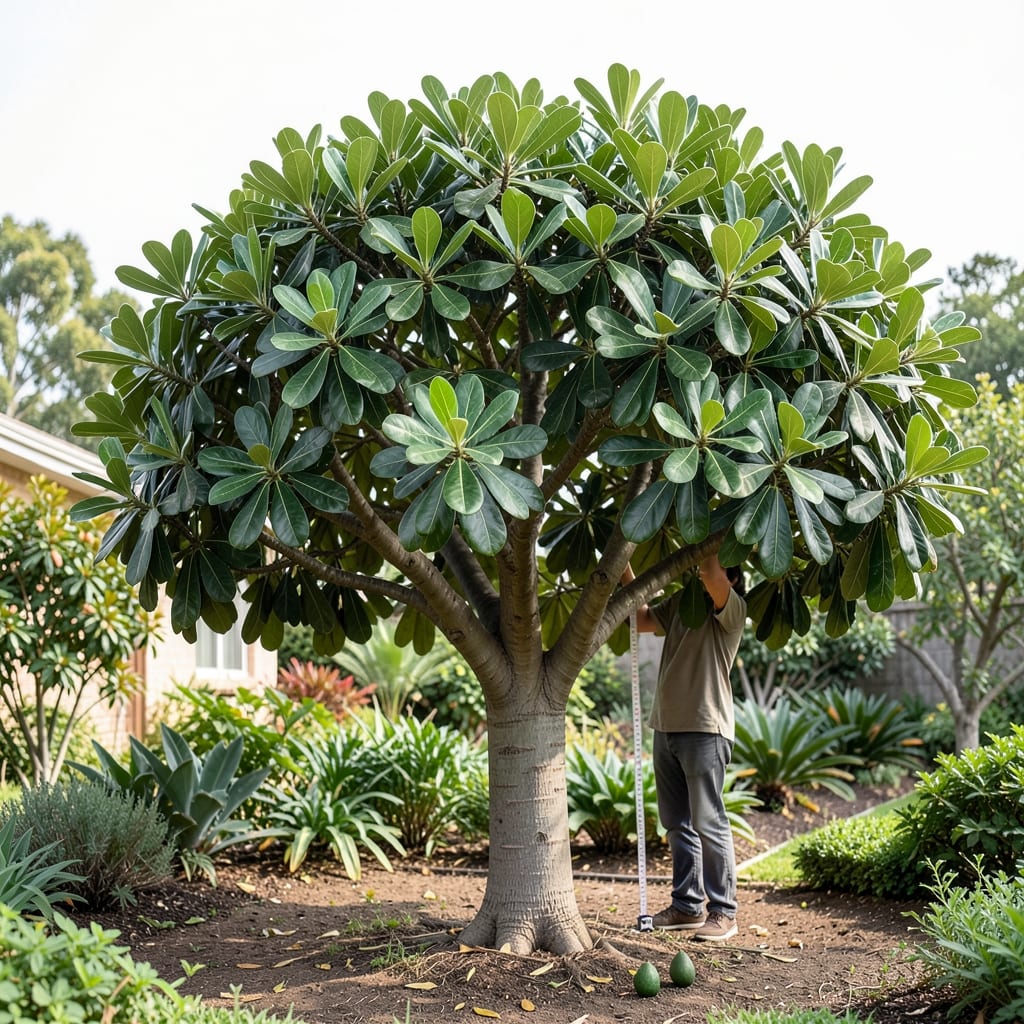
If you’re dreaming of growing a lush 🥑 avocado tree indoors but worried about how tall the tree can grow indoors, you’re not alone. The good news? With the right care and pruning, most indoor avocado trees stay well under 6 feet—even thriving in compact spaces.
Unlike their outdoor cousins that can reach 20+ feet, indoor avocado trees grow slower due to limited light and space. Varieties like 'Wurtz' naturally stay shorter, while others can be shaped with simple pruning techniques. The key is balancing growth with your home’s layout.
Light exposure, pot size, and pruning habits all play a role in keeping your tree manageable. Too much light or neglecting pruning can lead to leggy, unruly growth, but with a few adjustments, you can enjoy a healthy, space-friendly tree year-round.
Ready to learn how to control your avocado tree’s height without sacrificing its health? Let’s break down the best strategies to keep it thriving—whether you’re working with a small apartment or just prefer a more compact look.


Indoor avocado tree height by variety: space-saving options under 6 feet
Not all avocado trees are created equal when it comes to indoor growth. While outdoor avocado trees can tower over 20 feet, indoor varieties—especially when properly cared for—rarely exceed 6 feet. The key lies in selecting the right variety and understanding their growth habits. Some, like the 'Wurtz' variety, are naturally compact, while others, like 'Hass', can be pruned to stay small. Let’s break down the best options for your indoor space.
If you’re working with limited ceiling height, prioritize dwarf varieties or standard types that respond well to pruning. Even a 'Fuerte' avocado, which can reach 10–15 feet outdoors, can be kept under 6 feet indoors with consistent trimming. The trade-off? You might sacrifice fruit production, but the trade-in is a manageable, decorative tree that thrives year-round.
Here’s the critical question: Do dwarf avocado trees exist? Technically, no—there’s no true "dwarf" avocado variety like you’d find with citrus or citrus hybrids. However, some varieties are simply more adaptable to indoor life and grow slower naturally. The 'Wurtz' is the closest you’ll get to a compact option, while 'Fuerte' and 'Hass' can be trained to stay small with the right techniques.
Before you commit to a variety, consider your light conditions. A south-facing window will support faster, healthier growth, but even low-light spots can work if you supplement with grow lights. Without enough light, your tree may grow leggy and weak, reaching for sunlight and exceeding your height goals quickly.
Now, let’s dive into the specifics. The table below compares the most popular indoor-friendly avocado varieties, their mature heights, and how they perform in small spaces. Use this as your guide to selecting the perfect tree for your home.
| Variety | Mature Height (Indoor) | Growth Rate | Best For |
|---|---|---|---|
| Wurtz | 4–6 ft | Slow to moderate | Small spaces, low maintenance |
| Fuerte | 6–10 ft (pruned) | Moderate | Balanced growth, fruit potential |
| Hass | 8–12 ft (pruned) | Moderate to fast | Pruning enthusiasts, larger spaces |
| Lamb Hass | 6–8 ft (pruned) | Slow | Cold-hardy, compact growth |
The 'Wurtz' variety is your best bet for keeping an avocado tree under 6 feet without heavy pruning. It’s naturally compact and grows at a slow to moderate pace, making it ideal for apartments or homes with modest ceiling heights. If you’re aiming for fruit, the 'Fuerte' or 'Hass' varieties are better choices—but be prepared to prune aggressively to keep them in check.
One common misconception is that indoor avocado trees can’t produce fruit. While it’s true that fruiting is rare indoors, some gardeners report small, non-edible avocados on well-cared-for trees. The real goal for most indoor growers is a healthy, lush tree that adds greenery and texture to your space. Focus on pruning for shape rather than height control, and your tree will thrive.
If you’re still unsure which variety to choose, consider starting with a seed-grown avocado tree. While these may take longer to mature, they often grow more slowly and compactly than grafted varieties. Plus, there’s something rewarding about nurturing a tree from seed! Just be patient—it can take 3–5 years before you see significant height growth.
Remember, the height of your indoor avocado tree isn’t set in stone. With regular pruning and proper care, you can adjust its growth trajectory to fit your space perfectly. In the next section, we’ll dive into the pruning techniques that will keep your tree at your desired height while ensuring it stays healthy and vibrant.
Pruning and training techniques to control indoor avocado tree height
Pruning isn’t just about keeping your avocado tree from hitting the ceiling—it’s about shaping its future. With the right techniques, you can train your tree to stay under 6 feet while encouraging a fuller, healthier canopy. The key is timing: prune during spring growth spurts (March–May) or after flowering (if indoors) to avoid stunting new shoots. Avoid heavy pruning in winter dormancy, as this can stress the tree and lead to leggy, weak growth.
Start with selective pruning—remove only overcrowded or crossing branches to improve airflow and light penetration. Use clean, sharp pruners to make cuts just above a leaf node or bud, which encourages new growth. For height control, focus on topping the central leader (the main upward-growing branch) to redirect energy into lateral branches. This creates a bushier, more compact tree that stays manageable.
Here’s a step-by-step guide to pruning for height control, ensuring your tree stays within your desired limits while maintaining its health and vigor.
- 1 Assess your tree’s structure: Identify the central leader and any overgrown branches. Look for branches growing upward or outward that exceed your height goals.
- 2 Prune during active growth: Choose spring or early summer for pruning. Avoid winter pruning, as the tree needs energy to recover.
- 3 Cut just above a leaf node: Make your cuts 1/4 inch above a bud or leaf to encourage new growth in the desired direction. Avoid leaving stubs, which can rot.
- 4 Top the central leader: If your tree is getting too tall, cut the top 6–12 inches of the central leader. This forces the tree to branch out instead of growing upward.
- 5 Encourage bushier growth: After pruning, your tree may send out multiple new shoots. Thin these to 3–4 strong branches to maintain shape and prevent overcrowding.
- 6 Use support if needed: For young trees, consider a small stake or trellis to guide growth direction. This is especially useful for seed-grown trees, which can grow unevenly.
- 7 Monitor and repeat: Prune every 3–6 months to maintain your desired height. Regular pruning keeps your tree compact and manageable while preventing it from becoming unruly.
One common mistake is over-pruning, which can stress your tree and lead to stunted growth or even death. Always remove no more than 25–30% of the foliage in a single session. Another pitfall is pruning at the wrong time, such as during dormancy or extreme heat, which can weaken the tree’s recovery.
For height control in tight spaces, consider escalating pruning: gradually reduce the height of the central leader over time, allowing lateral branches to fill in the gaps. This method creates a multi-trunk tree that stays under 6 feet while maintaining a full, lush appearance. Pair this with regular rotation of the pot to ensure even growth on all sides.
With consistent pruning, your indoor avocado tree can stay well under 6 feet while thriving. The next step is optimizing the 5 key factors that influence growth height—from light exposure to fertilizer types—to ensure your tree stays compact and healthy year-round.