
Companion Plants
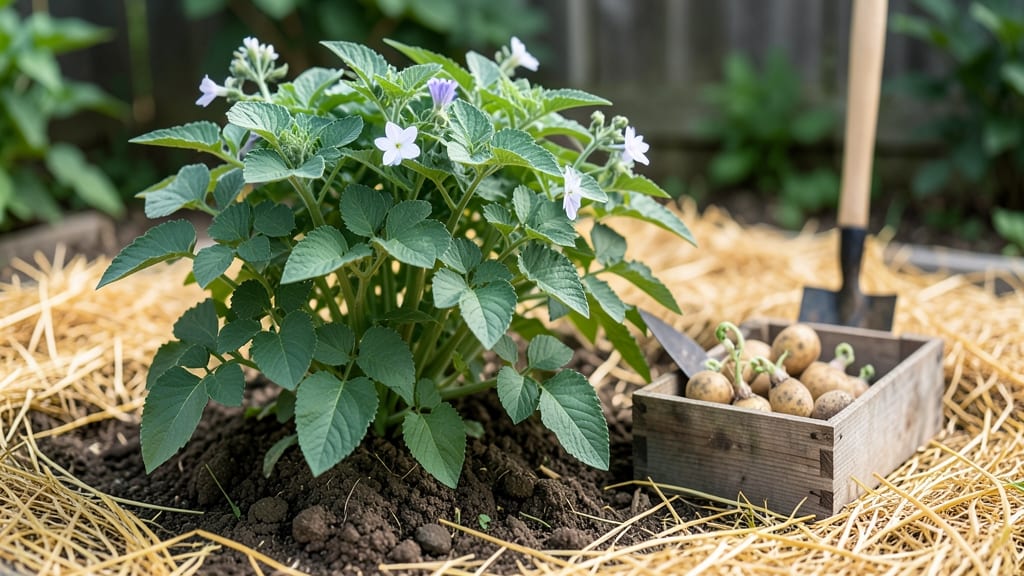
When can I plant potatoes in Zone 6B? Timing your potato planting isn’t just about tossing tubers into the dirt—it’s the secret to avoiding frost damage and maximizing your harvest. If you plant too early, your potatoes might rot before they even sprout, while waiting too long could mean smaller yields. The key is understanding when the soil warms up and how frost dates impact your schedule.
Most gardeners in Zone 6B should start planting potatoes 2 to 4 weeks before the last expected frost, but the exact timing depends on soil temperature and variety. Early varieties can handle cooler conditions, while late-season potatoes need warmer soil to thrive.
I’ll break down the best weeks to plant for your specific zone, so you can avoid common mistakes that waste time and effort.
You’ll also discover how to prepare your soil for optimal growth and which potato types work best in Zone 6B’s climate. Whether you’re a beginner or a seasoned gardener, getting this right means the difference between a handful of small potatoes and a bucketful of harvest-ready spuds.
Let’s get your planting schedule dialed in for success.
Ready to turn your garden into a potato powerhouse? I’ll walk you through the exact steps, from soil prep to choosing the right varieties, so you can enjoy a bountiful harvest all season long. No more guesswork—just proven strategies for Zone 6B success.
Zone 6B potato planting schedule: exact weeks before last frost
In Zone 6B, where last frost dates typically land between April 15 and May 1, timing your potato planting is critical for a successful harvest. The ideal window starts 2-4 weeks before your last frost date, when soil temperatures reach 45-50°F.
This ensures your seed potatoes sprout quickly without rotting in cold, wet soil.
Most gardeners in Zone 6B aim to plant potatoes between mid-April and early May, but this can shift slightly depending on your exact location and microclimate.
For example, areas with warmer microclimates (like near south-facing fences) may plant 1-2 weeks earlier, while cooler pockets should wait until soil warms.
Here’s the golden rule: Wait until the soil is workable and at least 45°F—you can test this by pressing your finger into the ground. If it feels cool but dry, it’s ready.
Planting too early risks rot from cold soil, while waiting too long may reduce your harvest window before summer heat arrives.
🌱
| Planting Stage | Zone 6B Timeline | Key Conditions | Action Items |
|---|---|---|---|
| Pre-Planting Prep | Late March - Early April | Soil temp: 40-45°F | Chit seed potatoes, test soil pH (6.0-7.0), loosen soil |
| Early Planting Window | Mid-April (2-3 weeks before last frost) | Soil temp: 45-50°F | Plant early varieties (e.g., Red Pontiac) in warm microclimates |
| Main Planting Window | Early to Mid-May (after last frost) | Soil temp: 50-60°F | Plant mid-season varieties (e.g., Yukon Gold) for peak harvest |
| Late Planting Window | Late May (for late varieties) | Soil temp: 55-60°F | Plant late varieties (e.g., Russet) if soil is warm; expect smaller yield |
| Harvest Ready | 70-120 days after planting | Air temp: 75-85°F | Dig when flowers fade and skin toughens (early July to early Sept) |
For Zone 6B gardeners, the 4-6 week window before last frost is your sweet spot. This aligns with when soil warms enough for consistent sprouting while leaving ample time for tubers to mature before summer heat stresses the plants.
For example, if your last frost is April 25, aim to plant by April 10-15 for early varieties.
Pro tip: Use a soil thermometer to confirm readiness—potatoes won’t sprout until soil hits 45°F. If your garden runs cold, consider black plastic mulch to warm the soil faster. This trick can shave off 1-2 critical weeks in cooler Zone 6B microclimates.
Another key factor is daylength. In Zone 6B, longer days in late spring trigger faster growth, so planting mid-to-late May for mid-season varieties often yields the largest tubers. However, avoid planting after June 1, as summer heat can cause blossom end rot or stunted growth.
🌿
If you’re unsure about your exact last frost date, check your local cooperative extension service or use a frost calendar app. Many Zone 6B areas experience late frosts in May, so erring on the side of waiting until mid-May for mid-season varieties is safer than rushing.
For early varieties, you can push the envelope by planting in late April if your soil warms quickly.
Remember: Potatoes hate cold, wet soil. If you plant too early and encounter unpredictable late frosts, your tubers may rot before sprouting. Always have a backup plan, like row covers, to protect young plants from unexpected cold snaps that can occur even in Zone 6B.
☀️
Zone 6B potato planting schedule: exact weeks before last frost
In Zone 6B, potatoes thrive when planted at the right moment—typically 2-4 weeks before your last average frost date. This window ensures your seed potatoes sprout in warm soil (at least 45-50°F) but avoid frost damage.
For most of Zone 6B, this means aiming for mid-to-late April, but exact timing depends on your specific last frost date.
Potatoes are cold-sensitive, so planting too early can lead to rotten seed potatoes or stunted growth. Meanwhile, waiting too late reduces your harvest window. The key is balancing soil warmth with frost risk—a tricky act in Zone 6B’s variable spring weather.
| Planting Window | Soil Temp | Last Frost Date | Notes |
|---|---|---|---|
| Early April | 45°F+ | 4-6 weeks out | Risky—wait for consistent warmth |
| Mid-April | 50°F+ | 3-4 weeks out | Ideal for most Zone 6B regions |
| Late April | 55°F+ | 2 weeks out | Best for late varieties |
To pinpoint your exact planting date, check your local last frost date (typically April 15-May 1 in Zone 6B) and count backward. For example, if your last frost is April 25, plant 2-3 weeks earlier (around April 10-15) for early varieties.
Use a soil thermometer to confirm warmth—cold soil delays sprouting.
For longer harvest windows, consider planting in early June for a fall crop, but choose faster-maturing varieties (like Red Pontiac) to finish before the first frost. Just remember: fall-planted potatoes need 70-90 days to mature, so time it right!
Pro tip: Chit your seed potatoes (sprout them indoors) 4-6 weeks before planting. This gives you a 2-week head start on growth once soil warms up. Place them in a bright, cool spot (around 50°F) with the rose end up—you’ll see tiny sprouts in just days!
Once planted, keep soil consistently moist but not soggy—potatoes need 1-2 inches of water weekly. Mulch with straw or grass clippings to retain moisture and suppress weeds, which is especially critical in Zone 6B’s unpredictable spring rains.