
Companion Plants
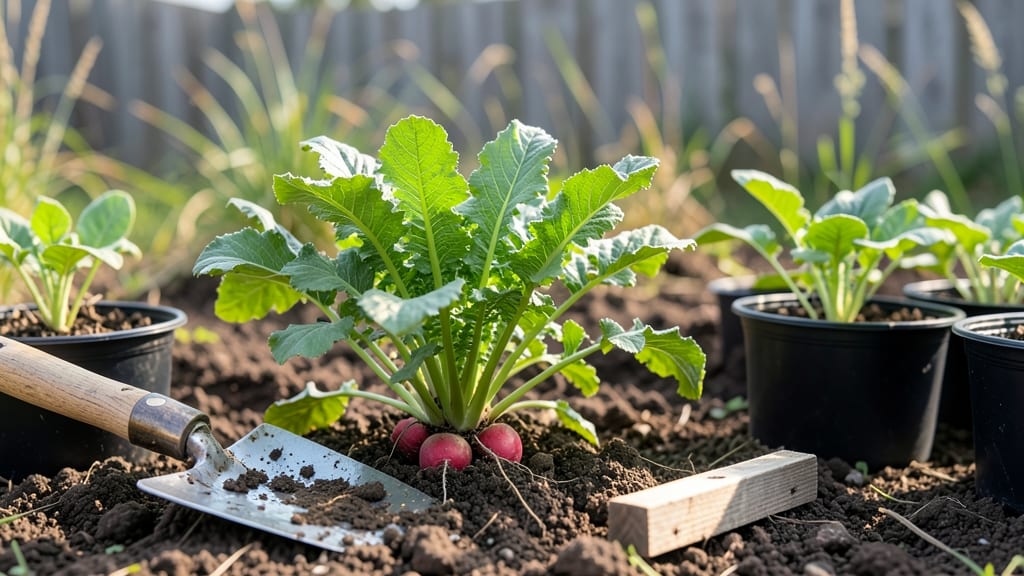
If you're wondering when you can plant radishes in Zone 5, timing is everything—especially when you're craving that crisp, peppery crunch in just 25 days! These fast-growing vegetables thrive in cool weather, making early spring and late summer your best bets for a quick harvest.
In Zone 5, you can start sowing radish seeds as soon as the soil is workable, usually around mid-March or even earlier if you use row covers.
The key is to avoid planting too late in spring, as warm soil can cause them to bolt (flower prematurely) before you get a chance to enjoy them.
For a fall harvest, aim to plant radishes 4-6 weeks before your first frost, typically in early September. This gives them enough time to mature before winter sets in.
Whether you're a beginner or a seasoned gardener, getting the timing right ensures you'll have a steady supply of fresh, homegrown radishes all season long.
Ready to dive in? Let’s break down the exact planting windows, soil prep tips, and companion plants that’ll help your radishes grow like a dream. Your fastest harvest starts now!
Zone 5 radish planting timeline: exact dates for spring and fall success
Growing radishes in Zone 5 means working with a shorter growing season, but with the right timing, you can enjoy crisp, fresh radishes in just 3-4 weeks. The key is planting early enough to avoid frost damage while ensuring your soil is warm enough for quick germination.
Let’s break down the exact windows for your spring and fall harvests.
In Zone 5, your last spring frost typically occurs between mid-April and early May, while your first fall frost arrives around mid-October to early November. Radishes thrive in cooler temperatures, so planting too early in cold soil or too late in hot weather can ruin your harvest.
The goal is to plant when soil temperatures reach at least 40°F (4°C)—this ensures seeds germinate reliably without rotting.
For spring plantings, aim to sow seeds 2-3 weeks before your last frost date. This gives your radishes time to mature before summer heat arrives. In most of Zone 5, that means planting in early to mid-April.
If you miss this window, you can try a second planting in early May, but choose fast-maturing varieties (like 'Cherry Belle') to avoid bolting.
| Season | Planting Window | Soil Temp | Frost Risk | Harvest Time |
|---|---|---|---|---|
| Spring | Early to mid-April | 40°F (4°C) | Low (after last frost) | May-June |
| Fall | Late August to early September | 50°F (10°C) | Moderate (4-6 weeks before frost) | September-October |
Fall plantings are just as critical for a second harvest. Start sowing seeds 4-6 weeks before your first frost, which in Zone 5 means late August to early September. This timing ensures your radishes mature before temperatures drop below freezing.
If you plant too late, your radishes may not have enough time to grow, while planting too early (in hot summer) can cause them to bolt prematurely.
One trick I use is to stagger my plantings every 2 weeks in both spring and fall. This creates a continuous harvest instead of one big batch. For example, in spring, I’ll plant a row in early April, another in mid-April, and a final one in early May.
This way, I always have fresh radishes ready to pick.
Always check your local frost dates—they can vary by 1-2 weeks depending on your exact location within Zone 5. Use a frost calendar or ask your local cooperative extension office for precise timing.
A simple soil thermometer ($10 at garden centers) will also help you confirm when your soil is ready for planting.
If you’re unsure about your soil temperature, opt for cold-hardy varieties like 'White Icicle' or 'French Breakfast.' These types tolerate cooler soils better than others. Just remember: consistency is key—radishes grow best when soil temps stay between 50°F and 75°F (10°C-24°C).
If your soil gets too hot, your radishes will bolt (go to seed) before you can harvest.
Finally, always thin your seedlings to 2-3 inches apart once they sprout. Crowded radishes compete for nutrients and grow poorly. Mulch with straw or grass clippings to keep soil temps stable and retain moisture—this is especially helpful in Zone 5’s unpredictable spring and fall weather.
With these exact planting windows, you’ll avoid the most common mistakes Zone 5 gardeners make: planting too early (risking frost damage) or too late (leading to bolting). Stick to these guidelines, and you’ll enjoy a bountiful radish harvest twice a year! 🥕
Zone 5 radish planting timeline: exact dates for spring and fall success
In Zone 5, radishes thrive when planted at the right time—either in early spring or late summer/fall. Missing these windows risks frost damage or bolting (premature flowering). Let’s break down the exact dates and conditions for success.
For spring plantings, aim to sow seeds 2-4 weeks before your last frost date. In Zone 5, this typically falls between mid-March and early April, depending on your microclimate. Radishes germinate quickly in 40-70°F soil, so don’t wait until the soil is too warm.
🌱 Did You Know?
Radish Planting Timeline for Zone 5
| Season | Planting Window | Soil Temp | Last Frost Risk |
|---|---|---|---|
| Spring | Mid-March to early April | 40-70°F | Low (after last frost) |
| Fall | Late July to early August | 50-75°F | Moderate (4-6 weeks before first frost) |
🌡️ Pro Tip: Use a soil thermometer to confirm ideal temps before planting.
For a fall harvest, plant radishes 4-6 weeks before your first frost, usually between late July and early August. This gives them time to mature before temperatures drop. Avoid planting too early in summer—radishes bolt (go to seed) quickly in hot weather.
In Zone 5, your first frost typically arrives by mid-October, so plan fall plantings to harvest by early October. Use row covers or cold frames to extend the season if needed, but radishes won’t tolerate freezing soil.
If you’re unsure about frost dates, check your local USDA Plant Hardiness Zone Map or use a frost calendar for your specific county. Radishes are forgiving, but timing ensures you avoid bitter, woody roots or lost crops to frost.
For successive plantings, sow new seeds every 2-3 weeks in spring and fall to enjoy a continuous harvest. This works especially well for fast varieties like ‘Cherry Belle’, which mature in just 25 days.
Now that you know the exact windows, grab your seeds and head to the garden—your crisp, fresh radishes will be ready in no time! 🥕