
Plants
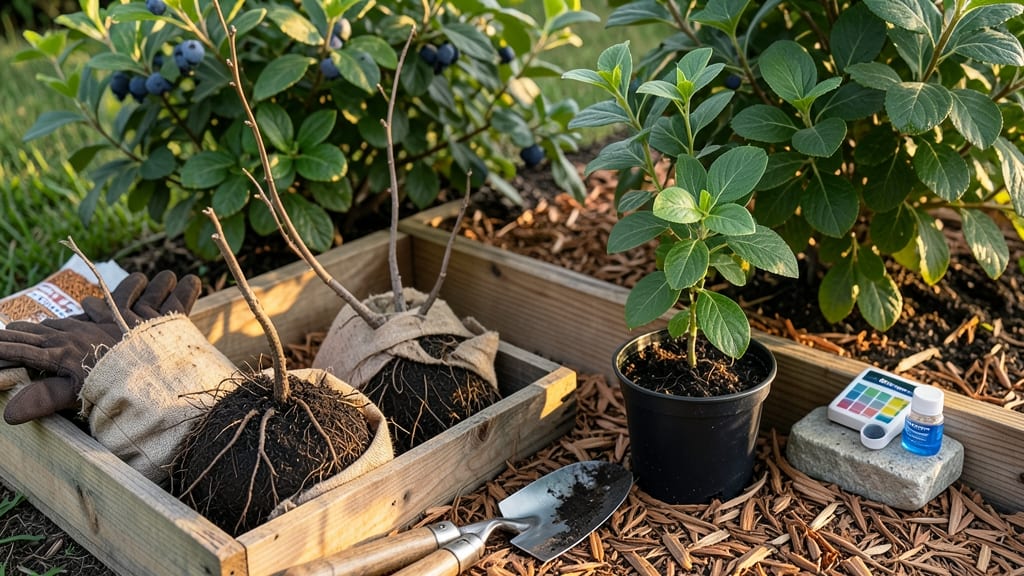
Timing your blueberry planting in Utah isn't just about the calendar—it’s about surviving the high desert’s unpredictable frosts and alkaline soils. Plant too early, and a late frost could wipe out your tender 🫐 bushes before they take root.
Too late, and your bushes won’t establish strong roots before winter hits, leaving them vulnerable to cold stress.
Most Utah gardeners in zones 5-7 swear by late March to early April as the sweet spot—right after the last frost date (usually around mid-April).
But here’s the catch: your exact deadline depends on whether you’re in the Wasatch Front, St. George’s desert heat, or a mountain valley where frost lingers longer.
I’ve tested planting strategies across Utah’s microclimates, and the key isn’t just picking a date—it’s preparing your soil, choosing the right variety, and knowing when to protect your plants from Utah’s infamous late-spring freezes.
Let me walk you through the exact steps to get your blueberries off to a thriving start.
From adjusting soil pH to mulching for moisture retention, you’ll learn how to turn Utah’s challenges into advantages. Whether you’re planting in containers or in the ground, these tips will help your bushes grow strong enough to bear fruit by next summer.
Utah’s blueberry planting zones: when to plant by microclimate
Utah’s diverse climate means blueberry planting deadlines vary dramatically between regions. The Wasatch Front (Salt Lake City) has a later last frost (mid-April) than high desert areas like St. George (early March), while mountain valleys (Park City) face earlier frosts (late September).
Understanding your USDA zone and microclimate is critical for timing.
Most of Utah falls within USDA Zones 5-7, but elevation changes everything. A 500-foot difference can shift frost dates by 2-3 weeks. For example, Southern Utah (Zone 7) can plant 2 weeks earlier than Northern Utah (Zone 5).
Always check your local frost dates—not just the zone average.
Blueberries thrive when planted after soil temperatures reach 45°F (7°C) consistently. Use a soil thermometer to confirm—cold soil slows root growth. In Zone 5 (e.g., Ogden), aim for late April planting, while Zone 7 (e.g., Cedar City) can start as early as mid-March.
Here’s how Utah’s key regions break down for optimal planting windows:
| Region | USDA Zone | Last Frost Date | Ideal Planting Window | Soil Temp Threshold |
|---|---|---|---|---|
| Northern Utah (Ogden, Logan) | Zone 5 | Mid-April | Late April - Early May | 45°F (7°C) |
| Wasatch Front (Salt Lake City, Provo) | Zone 6 | Early April | Late March - Mid-April | 45°F (7°C) |
| Southern Utah (St. George, Cedar City) | Zone 7 | Early March | Mid-March - Late March | 50°F (10°C) |
| Mountain Valleys (Park City, Heber) | Zone 5-6 | Late April - Early May | Early May - Mid-May | 40°F (4°C) |
For container gardening, you can plant 2-3 weeks earlier than in-ground, since pots warm up faster. However, avoid planting before soil temperatures rise—cold roots invite rot.
If your area has unpredictable springs (like Northern Utah), opt for fall planting (late August - September) to give roots time to establish before winter.
Utah’s alkaline soils (pH 7.5-8.5) are a hidden challenge. Blueberries need acidic soil (pH 4.5-5.5), so amend soil 4-6 weeks before planting with peat moss or sulfur. Test your soil’s pH before choosing a planting date—low pH can delay root growth, pushing back your window.
Pro tip: Use a frost blanket if planting early in Zone 5. A single frost can kill young shoots, but a lightweight cover raises temperatures by 5-10°F, protecting tender new growth. Monitor your local weather forecast for late-spring frosts, which are common in Utah’s valleys.
Remember: Spring planting gives bushes 6-8 weeks to establish roots before summer heat, while fall planting lets roots grow in cool soil. Utah’s short growing season means timing is everything—don’t wait until the last minute! 🫐
Step-by-step blueberry planting timeline for Utah gardens
Timing is everything when planting blueberries in Utah, where last frost dates vary by 1000+ feet in elevation. For most Utah gardens in USDA zones 5-7, your optimal planting window stretches from mid-April to early May—but let’s break it down by month to avoid costly mistakes.
First, test your soil pH (aim for 4.5–5.5) and amend with sulfur or peat moss if needed. Utah’s alkaline soils are a common hurdle—skip this step, and your blueberries will struggle to absorb nutrients.
I always plant after soil temperatures reach 50°F consistently, which in Utah’s valleys typically happens by late April.
📅 Utah Blueberry Planting Timeline
- March (High Desert Zones 7-8): Start container planting indoors if using dwarf varieties (e.g., ‘Top Hat’). Acclimate to outdoor temps by mid-March.
- Late March (Wasatch Front): Prepare planting beds—amend soil with compost + sulfur. Hardy varieties (e.g., ‘Bluecrop’) can tolerate light frost after planting.
- Mid-April (All Zones): Plant bare-root bushes in well-draining soil. Space 3–6 feet apart (dwarf vs. standard). Water deeply immediately.
- May (Critical for Root Growth): Apply 2–3 inches of mulch (pine needles or acidic wood chips) to retain moisture. Water every 2–3 days—Utah’s dry winds can dry roots quickly.
- June–August (Fruiting Stage): Fertilize lightly with 10-10-10 acid fertilizer every 6 weeks. Monitor for birds—use bird netting if needed.
- September (Fall Prep): Reduce watering to prepare for dormancy. Prune dead branches to encourage next year’s growth.
For container growing, Utah gardeners can plant 2–3 weeks earlier (by early April) since pots warm up faster. Just ensure containers have drainage holes and use a balanced acid fertilizer monthly.
I’ve had success with ‘Patriot’ blueberries in containers on my Salt Lake City balcony—they ripen 2 weeks earlier than in-ground plants!
If you’re planting in mountain regions (USDA 5), like Park City, wait until after May 15 to avoid late-spring frosts. These areas benefit from row covers for the first 2 weeks post-planting. I once lost a $40 bush in Heber Valley by planting too early—lesson learned!
Pro tip: Mulch with pine needles (free from local nurseries!) to lower soil pH naturally and retain 30% more moisture than straw. This is a game-changer in Utah’s low-humidity climate. Pair this with drip irrigation, and your blueberries will thank you with bigger, sweeter berries.
Remember: Spring planting gives blueberries 6–8 weeks to establish roots before summer heat, while fall planting (September) is risky in Utah’s freeze-thaw cycles. Stick to spring, and you’ll avoid winter dieback—a common issue in Utah’s variable climates. 🫐