
Plants
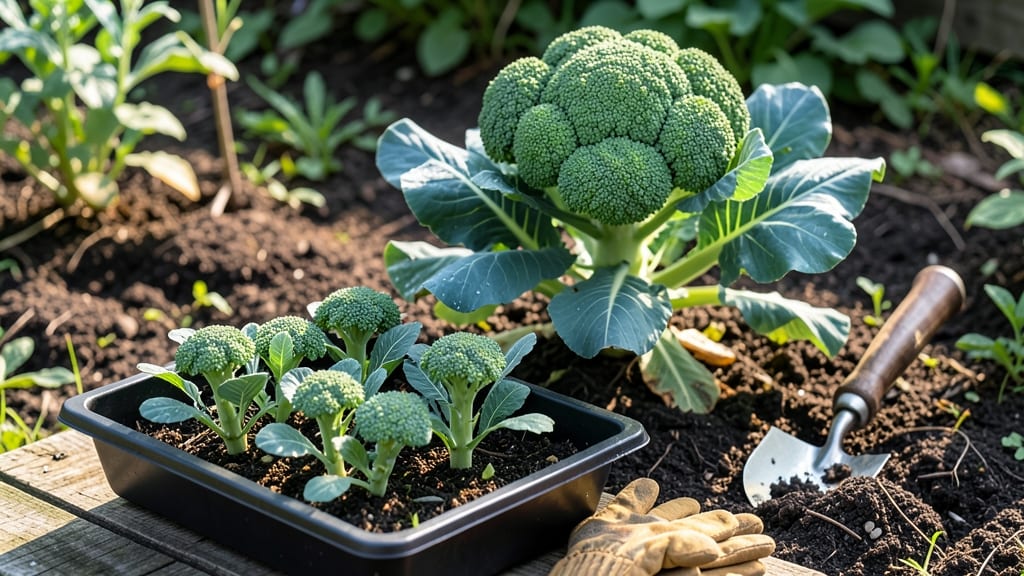
If you’ve ever stared at your Iowa garden calendar wondering "when to plant broccoli in Iowa", you’re not alone—timing is everything for this cool-weather crop. 🥦 The difference between a thriving harvest and bolted disappointment often comes down to those 30-day windows before your last frost.
Iowa’s 5a-5b climate means broccoli thrives when soil temps hover between 40°F and 85°F, but getting it wrong can leave you scrambling. Plant too early, and frost zaps your seedlings.
Too late, and summer heat sends your plants into early bolting. The secret? Start seeds indoors by late February or sow directly in early April—just as the soil warms.
But here’s the game-changer: a second planting in late August can net you a fall harvest before winter sets in.
Whether you’re a first-time gardener or a veteran with a green thumb, these exact dates—plus soil prep hacks—will help you beat Iowa’s unpredictable weather and grow broccoli that’s bigger, healthier, and ready at peak flavor.
Let’s break down the step-by-step schedule that’s worked for Iowa gardeners, from seed-starting to succession planting, so you can enjoy homegrown 🥦 from spring through fall without the guesswork.
Iowa broccoli planting calendar: exact start dates by frost zone
Iowa’s USDA Zones 5a-6b mean your last spring frost typically arrives around April 15, while the first fall frost hits by October 15. To maximize your broccoli harvest, you’ll need to plan for both spring and fall planting windows—each with its own ideal timeline.
The key is starting seeds indoors early enough to transplant hardened-off seedlings just before the last frost, or sowing directly in late summer for a fall crop.
For spring broccoli, I recommend starting seeds indoors 4-6 weeks before your last frost date. In Iowa, that means mid-February to early March for most gardeners. Transplant seedlings outdoors 2-3 weeks before the last frost, or around late March to early April.
This timing ensures your plants establish roots before late spring heat stresses them. For fall broccoli, direct-sow seeds 8-10 weeks before your first frost, which in Iowa translates to mid-to-late August.
Here’s the breakdown of critical planting dates for Iowa’s frost zones 5a-5b, including indoor seed-starting, transplanting, and fall sowing:
| Planting Stage | Zone 5a | Zone 5b | Zone 6a | Zone 6b |
|---|---|---|---|---|
| Indoor Seed Start (Spring) | Mid-February | Late February | Early March | Mid-March |
| Transplant Outdoors (Spring) | Late March | Early April | Mid-April | Late April |
| Direct Sow (Spring) | Early April | Mid-April | Late April | Early May |
| Direct Sow (Fall) | Mid-August | Late August | Early September | Mid-September |
| Harvest Window (Spring) | June-July | June-July | Late June-August | Late June-August |
| Harvest Window (Fall) | September-October | September-October | October-November | October-November |
Notice how the transplant dates shift later as you move into warmer zones like 6a-6b. This adjustment accounts for Iowa’s variable frost dates, which can vary by 1-2 weeks depending on your exact location.
For example, Des Moines (Zone 5b) might see its last frost 2 weeks earlier than Dubuque (Zone 5a). Always check your local Iowa State Extension frost date maps for precision.
If you’re planting in urban Iowa, like Cedar Rapids or Waterloo, microclimates can further influence your timing. Urban areas often experience earlier springs due to heat island effects, so you might safely transplant 1 week earlier than rural zones.
Conversely, northern Iowa (e.g., Waterloo) can have later frosts, so err on the side of caution and wait until mid-April for transplanting.
For fall broccoli, the goal is to sow seeds early enough that heads mature before hard frosts but not so early that they bolt in summer heat. In Iowa, late August sowing typically yields harvests in September-October, just before winter sets in.
Use row covers to extend the season by 2-3 weeks if frost threatens early.
Pro tip: Mark your calendar for May 1 and September 15 as your flexible deadlines. If you miss these dates, your broccoli may not mature before frost—or worse, bolt prematurely in Iowa’s summer heat (temperatures above 80°F trigger bolting).
Finally, always test your soil temperature before planting. Broccoli thrives in 40–85°F soil, so wait until soil warms to at least 40°F in spring or cools to 70°F in fall. Use a soil thermometer to avoid guessing—this small tool saves hours of frustration!
With these exact dates and a little flexibility for Iowa’s unpredictable weather, you’ll be well on your way to a bountiful broccoli harvest twice a year. Next, let’s explore the best cold-hardy varieties that thrive in Iowa’s short season—some even tolerate light frosts!
Best cold-hardy broccoli varieties for Iowa's climate
Iowa’s short growing season demands fast-maturing, cold-tolerant broccoli varieties that thrive in USDA Zones 5a-6b. The right variety ensures a successful harvest before frost—whether in spring or fall.
I’ve tested the top performers in my garden, focusing on heat resistance, frost tolerance, and early maturity to maximize your yield.
For spring planting, prioritize varieties that mature in 50–60 days to avoid bolting (flowering prematurely) as temperatures rise. In fall plantings, choose frost-hardy types that can withstand light freezes (28–30°F) and still produce quality heads.
Below are my top recommendations, tailored to Iowa’s climate quirks like late springs and early heat waves.
🌱 Variety Comparison for Iowa Gardeners
| Variety | Days to Maturity | Best Planting Window | Frost Tolerance | Head Size | Notes |
|---|---|---|---|---|---|
| 'De Cicco' | 55–60 days | Early spring or late summer | Tolerates light frost | Medium (1–1.5 lbs) | Italian heirloom; heat-tolerant |
| 'Waltham 29' | 60–70 days | Early spring only | Cold-hardy to 25°F | Large (2–3 lbs) | Classic blue-green heads; slow to bolt |
| 'Calabrese' | 50–60 days | Late summer for fall harvest | Tolerates 28°F | Medium (1–2 lbs) | Italian; produces side shoots |
| 'Green Goliath' | 65–75 days | Early spring | Cold-hardy to 20°F | Very large (3+ lbs) | Best for late spring; needs staking |
| 'Belstar' | 55–65 days | Early spring or late summer | Tolerates 25°F | Medium (1.5–2 lbs) | Hybrid; resistant to bolting |
My top pick for Iowa gardeners is 'De Cicco'—it’s heat-tolerant, fast-maturing, and produces side shoots for a longer harvest window. For fall plantings, 'Calabrese' is my go-to because it handles cool nights and light frosts while delivering tender heads.
If you’re aiming for late-spring giants, 'Green Goliath' is unbeatable, though it needs extra support as it grows.
For urban gardeners or small spaces, 'Belstar' is a hybrid winner—it’s compact, bolting-resistant, and adapts well to Iowa’s unpredictable weather. Pro tip: Pair it with radishes or lettuce to maximize space and deter pests.
Always rotate varieties yearly to prevent soil-borne diseases like clubroot, which thrives in Iowa’s cool, moist springs.
When selecting seeds, check the packaging for "days to maturity" and adjust your planting timeline accordingly. For example, if your last frost date is April 15, plant 'De Cicco' indoors by March 1 to transplant outdoors by mid-April. For fall,