
Plants
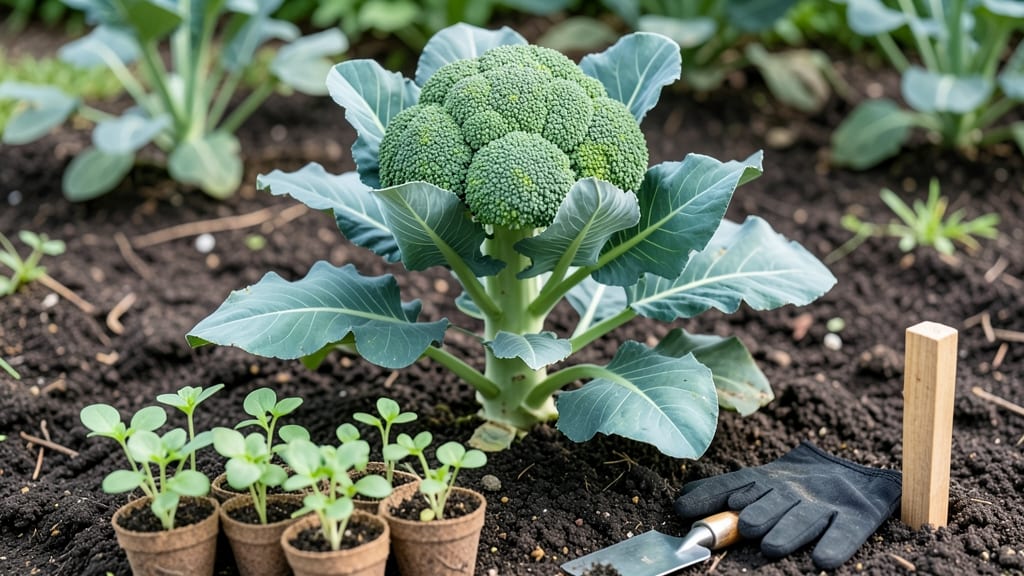
If you’ve ever stared at your garden calendar wondering when to plant broccoli in Minnesota, you’re not alone—getting the timing right is the difference between a bountiful harvest and a sad, frost-nipped disappointment.
With Minnesota’s 4a-5a zones and unpredictable cold snaps, even experienced gardeners need a clear roadmap to avoid common mistakes.
Broccoli thrives in cool weather but bolts when temperatures creep too high—so planting too early risks frost damage, while waiting too long means missing the July-August harvest window.
The key is working with your local frost dates, soil temperatures, and microclimates to stretch your growing season both spring and fall.
In this guide, I’ll break down the exact planting windows for your zone, including how to prep soil, choose cold-hardy varieties, and use row covers to push harvests later into fall. No more guesswork—just a foolproof plan tailored to Minnesota’s short but productive growing season.
Whether you’re a first-time gardener or a veteran looking to maximize your 🥦 yield, these zone-specific deadlines will help you plant with confidence. Let’s get those broccoli seeds in the ground at the perfect time—no frost, no stress, just great-tasting veggies straight from your garden.
Minnesota broccoli planting calendar: exact dates by Zone 4-5 deadlines
Minnesota's Zone 4-5 climate demands precise timing for broccoli planting—miss the window, and you risk frost damage or poor yields. The key is planting 4-6 weeks before the last frost for spring crops and 10-12 weeks before the first frost for fall harvests.
With average last frost dates between April 15-May 15 and first frosts arriving September 20-October 15, your planting timeline hinges on these critical dates.
For spring broccoli, start seeds indoors 6-8 weeks before transplanting (around March 1-March 15), then move seedlings outdoors mid-April to early May. Fall plantings require late July to early August sowing to ensure heads mature before frost.
Soil temperatures must reach 40°F (4°C) minimum for germination, which Minnesota typically hits by late April.
Direct sowing is possible, but transplants give you a head start in Minnesota's short season. Use row covers to extend early spring or late fall planting by 2-3 weeks. Always check your local frost dates—they vary by 1-2 weeks across Minnesota's Zone 4a-5a regions.
| Planting Window | Action | Soil Temp | Notes |
|---|---|---|---|
| Mid-April to Early May | Transplant seedlings | 40°F+ (4°C+) | Use row covers for frost protection |
| Late July to Early August | Direct sow seeds | 50°F+ (10°C+) | Choose fast-maturing varieties |
| March 1-March 15 | Start indoors | 65°F+ (18°C+) | Use grow lights for 14+ hours/day |
| April 15-May 15 | Last frost date | N/A | Hardening off seedlings required |
Minnesota gardeners often struggle with late spring frosts that can devastate young broccoli plants. To mitigate this, plant successive crops every 2 weeks from May through June for continuous harvests.
For fall plantings, aim to harvest before October 15—after that, heads may become woody or bitter due to cold stress.
Always test your soil pH (6.0-7.0 ideal) before planting—Minnesota's clay-heavy soils often need compost or lime to improve drainage. Amend beds with aged manure or worm castings for nutrient-rich soil that supports broccoli's heavy heads. Mulch with straw or grass clippings to retain moisture and suppress weeds.
Pro tip: Use floating row covers to extend your harvest window by 3-4 weeks in both spring and fall. These lightweight fabrics protect against light frosts (28°F/-2°C) while allowing sunlight and water to penetrate. Remove covers during the day when temperatures rise above 50°F (10°C) to prevent overheating.
Monitor your plants closely for cabbage worms or aphids, common Minnesota pests that target broccoli. Early intervention with neem oil or row covers prevents infestations. Remember, broccoli thrives with consistent moisture—water deeply 1-1.5 inches per week, especially during head formation (60-80 days after planting).
For Zone 4a gardeners in northern Minnesota, focus on early-maturing varieties like 'De Cicco' (48 days) or 'Calabrese' (60 days). Southern Zone 5a growers can experiment with later varieties like 'Waltham 29' (70 days) for extended harvests. Always check seed packets for days-to-maturity and adjust planting dates accordingly.
Track your local frost dates using the MN State Climatology Office or Almanac's Frost Calculator. These tools provide hyperlocal data that can shift your planting window by 1-2 weeks compared to general Zone 4-5 guidelines.
With precise timing and proper care, you'll enjoy homegrown broccoli from July through November in Minnesota.
How to extend your Minnesota broccoli season with cold-hardy varieties
Minnesota’s short growing season doesn’t have to limit your broccoli harvest. By choosing cold-hardy varieties and using smart planting strategies, you can enjoy fresh broccoli from late spring through fall. The key is selecting varieties that tolerate light frosts and thrive in cooler temperatures.
My top recommendation for Minnesota gardeners is ‘De Cicco’ broccoli, a classic Italian heirloom that handles cool nights and even light frosts. Another excellent choice is ‘Waltham 29’, which matures quickly and resists bolt-resistant tendencies in heat.
These varieties extend your harvest window by 4-6 weeks compared to standard types.
🌱 Cold-Hardy Broccoli Varieties
| Variety | Days to Maturity | Frost Tolerance | Best For |
|---|---|---|---|
| De Cicco | 58-65 | 28°F | Spring/fall harvests |
| Waltham 29 | 60-70 | 25°F | Late summer crops |
| Calabrese | 65-75 | 30°F | Succession planting |
💡 Pro Tip: Plant ‘De Cicco’ in early spring and again in mid-summer for two harvests!
For succession planting, sow seeds every 2-3 weeks from mid-April through early June. This staggered approach ensures a continuous harvest and reduces the risk of losing your entire crop to sudden cold snaps.
Use row covers to protect young plants from late spring frosts—they can add 4-6°F protection.
Don’t overlook fall planting either. Seed broccoli in late July to early August for a harvest in October and November. Choose varieties like ‘Green Goliath’, which handles cooler temps better than most. Just be sure to harvest before hard frosts hit, typically around mid-October in Minnesota.
To further extend your season, try container gardening with cold-hardy varieties. Move pots near south-facing walls or under cloche covers to capture extra warmth. This works especially well for dwarf varieties like ‘Little Sprint’, which matures in just 45 days and thrives in cooler conditions.
Remember, soil temperature matters just as much as air temperature. Wait until the soil reaches 40°F before planting in spring, and aim for 50°F for optimal germination. Use a soil thermometer to check—it’s your best tool for timing perfect plantings in Minnesota’s unpredictable climate. 🌱