
Plants
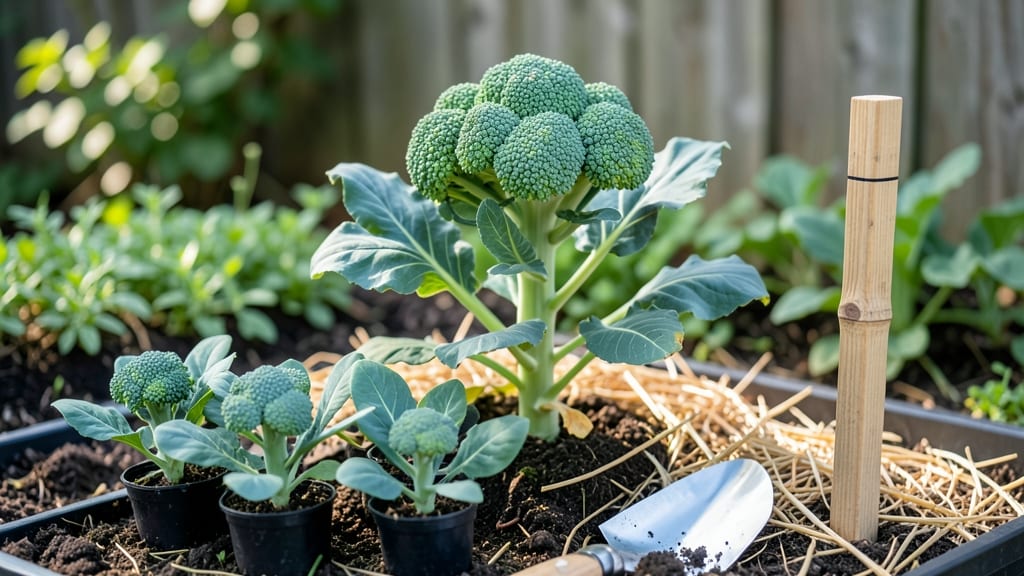
Figuring out when to plant broccoli in Zone 8b can feel like solving a puzzle—one wrong move, and you're left with bitter, tough heads or no harvest at all.
But here's the good news: with the right timing, you can enjoy fresh 🥦 from late winter all the way through early summer.
Zone 8b's mild winters and hot summers create unique challenges, but they also give you two prime planting opportunities—fall and spring—that most gardeners miss. The key is understanding how to work with your local frost dates and soil temperatures to give broccoli the cool conditions it craves.
I've grown broccoli in this zone for years, and I'll show you exactly when to plant for maximum success—whether you're aiming for a fall harvest before winter sets in or a spring crop that thrives as temperatures warm.
Let's break down the best months and what to watch for to avoid common pitfalls.
You'll discover how to time your planting perfectly, protect your seedlings from late frosts, and even extend your growing season for continuous harvests. By the end, you'll have a clear roadmap to growing broccoli that's tender, flavorful, and ready to pick when you are.
Best planting months for broccoli in Zone 8b: fall vs. spring timing
Zone 8b's mild winters and warm summers create a unique challenge for growing broccoli. Unlike colder zones, you can enjoy two harvest windows—fall and spring—if you time your plantings perfectly.
The key is avoiding the summer heat (above 80°F) which causes broccoli to bolt prematurely, and protecting seedlings from late frosts that can occur as late as January 15.
For fall harvests, plant broccoli 6-8 weeks before your first frost (around mid-October in Zone 8b). This gives seedlings time to establish roots before winter slows growth. Spring plantings should go in late February to early March, ensuring soil temperatures stay below 75°F to prevent bolting.
Here’s the month-by-month breakdown for Zone 8b, including ideal varieties and frost risk factors:
| Planting Window | Ideal Months | Soil Temp (°F) | Frost Risk | Best Varieties |
|---|---|---|---|---|
| Fall Planting | July–August | 50–65°F | Low (harvest before frost) | 'De Cicco', 'Waltham 29' |
| Spring Planting | February–March | 40–55°F | Moderate (late frosts possible) | 'Calabrese', 'Green Magic' |
| Avoid Planting | May–September | Above 75°F | High (bolting risk) | N/A |
Zone 8b's microclimates can shift planting windows by 2–4 weeks. Coastal areas stay milder longer, while inland regions may experience earlier frosts. Use a soil thermometer to confirm temperatures—broccoli roots thrive at 50–65°F but stall below 40°F.
To extend your harvest, try staggered plantings every 2 weeks in fall or 1 week in spring. This ensures a steady supply of tender heads without overwhelming your garden at once.
For example, plant half your seeds in late July and the rest in early August for a fall harvest through December.
One of my favorite tricks is using black plastic mulch in spring to warm the soil faster. This lets me plant broccoli 2–3 weeks earlier than usual, giving me an edge on the spring harvest window. Just remove the mulch once seedlings sprout to prevent overheating.
For continuous harvests, pair fall broccoli with spring radishes or lettuce—they thrive in the same cool conditions. This intercropping strategy maximizes your garden space while keeping pests in check.
Remember, broccoli planted in summer heat will bolt quickly, producing bitter, woody stalks instead of tender heads. If you accidentally plant too late, opt for heat-tolerant varieties like 'Belstar' or 'Packman' and provide afternoon shade with a floating row cover.
Timing is everything in Zone 8b. With these two strategic windows, you’ll enjoy homegrown broccoli from late fall to early summer—no grocery store needed! 🥦
Best planting months for broccoli in Zone 8b: fall vs. spring timing
Zone 8b’s mild winters and warm summers create unique challenges for growing broccoli. Unlike colder zones, you can plant twice a year—fall and spring—while avoiding the summer heat that triggers bolting (when plants flower prematurely).
The key is timing your seeds or transplants 4-6 weeks before the first frost (around December 15 in Zone 8b) and again in early spring when soil warms to 40°F.
Fall planting is my favorite strategy for Zone 8b gardeners because it lets you harvest before winter sets in. Start seeds indoors 6-8 weeks before your target transplant date (late July to early August) or buy transplants in August.
This gives broccoli enough time to mature before the first frost, typically yielding harvests in October-November. Spring planting, however, requires patience—wait until March-April when soil temperatures stabilize above 40°F.
| Planting Window | Best Months | Soil Temp | Harvest Window |
|---|---|---|---|
| Fall Planting | July-August (transplants) | 50-65°F | October-November |
| Spring Planting | March-April | 40-55°F | May-June |
For continuous harvests, I recommend staggering plantings every 2-3 weeks in both fall and spring. This ensures you’re always getting fresh broccoli while extending your growing season. For example, plant one batch in late July, another in early August, and a final batch in early March.
This method works especially well in Zone 8b, where mild winters allow for extended growing periods.
One common mistake I see in Zone 8b gardens is planting broccoli too early in spring. If you plant in February, seedlings may bolt when temperatures rise above 75°F. Instead, wait until soil temperatures are consistently above 40°F—typically mid-March—to avoid this issue.
Similarly, avoid planting in June-July, as the summer heat will cause broccoli to flower before forming heads.
To maximize success, choose cold-hardy varieties like 'De Cicco' or 'Waltham 29', which tolerate cooler temperatures better than standard types. These varieties are less likely to bolt in Zone 8b’s fluctuating spring temperatures.
Pair them with drip irrigation to maintain consistent moisture, which is critical for head formation in both fall and spring plantings.
Remember, broccoli thrives in cooler temperatures (50-75°F), so plan your plantings to align with Zone 8b’s natural climate patterns. By following these timing guidelines, you’ll enjoy tender, flavorful broccoli heads from late fall through early summer—without the bitterness or disappointment of failed harvests. 🥦