
Plants
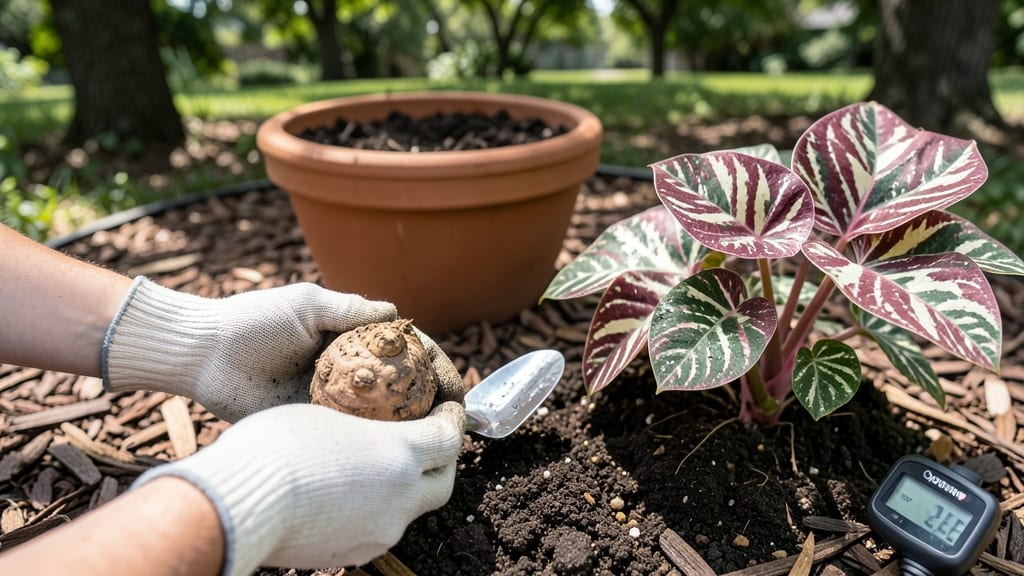
If you're dreaming of show-stopping foliage in your Texas garden, timing is the game-changer for planting caladium bulbs. These stunning plants—like the 🌿 Caladium—thrive in Texas's heat but demand precision to avoid wilting before they even bloom.
Most gardeners in zones 8a-10b wait until after the last frost, but Texas's unpredictable weather means soil temperature matters more than calendar dates. Planting too early risks cold damage, while waiting too long can leave you scrambling as summer heat sets in.
I’ll break down the exact window for your region—whether you’re in North Texas’s cooler Zone 8a or South Texas’s balmy Zone 10b—plus pro tips to keep your caladiums lush all season. Ready to transform your garden?
From soil prep to shade strategies, here’s how to nail the timing and keep your Caladiums thriving despite Texas’s brutal summers. Let’s get started!
Texas heat-Zone planting calendar for caladium bulbs
Caladiums thrive in Texas’ humid, heat-loving climate, but their planting window varies dramatically from North Texas (Zone 8) to South Texas (Zone 10). The key is planting when soil temperatures hit 65°F (18°C)—this ensures roots establish before summer’s brutal heat sets in.
In Zone 8 (Dallas/Fort Worth), aim for late March to early April, while Zone 10 (Houston/San Antonio) gardeners can start as early as mid-February.
Texas’ 11 heat zones (A-D) create microclimates where frost risk and soil warmth shift dramatically. For example, El Paso (Zone 8b) may see frost until March 15, while Brownsville (Zone 10a) rarely drops below 40°F.
Always check your local last frost date—planting too soon risks bulb rot from cold, damp soil.
Here’s the golden rule: Wait until nighttime temps stay above 50°F (10°C). Use a soil thermometer to confirm—caladium bulbs need warmth to sprout.
In East Texas (Zone 8a), this might mean waiting until April 15, while West Texas (Zone 9a) can start in early March.
| Texas Zone | Ideal Planting Window | Soil Temp Threshold | Key Risk |
|---|---|---|---|
| Zone 8a (East TX) | Late March–Early April | 65°F (18°C) | Late frost |
| Zone 8b (Dallas) | Mid-March–April 1 | 65°F (18°C) | Heat stress |
| Zone 9a (Austin) | Early March–Mid-April | 60°F (15°C) | Drought |
| Zone 10a (Houston) | Mid-February–March 15 | 55°F (13°C) | Humidity rot |
*Adjust for urban heat islands—cities like Dallas can be 5–10°F warmer than rural areas.
For container gardening, you can push the window earlier by 2–3 weeks. Pots warm up faster, letting you plant caladium bulbs in Zone 8 by late February if nights stay above 45°F (7°C).
Just ensure containers have drainage holes—caladiums hate soggy roots. In South Texas (Zone 10), you can even plant as late as June for a fall display, but expect shorter blooming seasons.
Texas’ summer heat is the biggest enemy—caladiums wilt when temps exceed 90°F (32°C) for prolonged periods. If you plant in May or June, provide afternoon shade with 50% shade cloth to prevent leaf scorch. Mulch with 2–3 inches of pine bark to keep roots cool and retain moisture.
Pro tip: Pre-sprout bulbs indoors in Zone 8 to jumpstart growth. Place bulbs in potting mix in early March, keep them in bright, indirect light, and transplant outdoors after last frost. This gives you a 4–6 week head start on the season.
If you miss the spring window, don’t panic—caladiums are perennial in Zones 9–10 and can be planted in early summer. Just expect smaller, shorter-lived foliage compared to spring plantings. For North Texas gardeners (Zone 8), treat them as annuals and replant each year for the best results.
Remember: Caladiums are all about foliage, not flowers. The earlier you plant, the more time they have to develop their show-stopping leaves. In Texas, that means spring plantings deliver the most vibrant colors and longest displays—often until first frost in fall.
Signs your Texas soil is ready for caladium bulbs
Before sticking caladium bulbs into the ground, Texas gardeners must check key soil conditions—especially temperature and moisture levels. These tropical plants wilt if planted too early, so wait until soil warms to 65°F+ and stays consistently damp.
Use your finger to test: if the top 2 inches feel cool and moist, your soil is ready.
Watch for leaf drop in nearby plants like impatiens or coleus—when their leaves crisp, it’s a sign your soil is finally warm enough.
In North Texas (Zone 8), aim for mid-April; in South Texas (Zone 10), early March works best. Never plant before the last frost date—caladiums hate cold snaps!
Dig a small hole and check for drainage. If water pools after 30 minutes, amend with compost or perlite to improve airflow. Caladiums hate soggy roots but need consistent moisture. In Texas’ summer heat, mulch heavily with pine bark to retain humidity.
For container gardening, use well-draining pots with holes and a moisture-retentive mix (50% peat moss, 30% perlite, 20% compost). Containers warm faster than ground soil, so plant 2 weeks earlier than in-ground bulbs. Monitor soil with a thermometer—caladiums won’t sprout until temps stabilize above 68°F.
If your soil feels too dry or too cold, delay planting. Caladiums are heat-loving but frost-sensitive—rushing them risks rotted tubers. Instead, start bulbs indoors in late February for a head start, then transplant after May 1 when nights stay warm.
Pro tip: Soak bulbs overnight before planting to kickstart growth. This hydrates them faster in Texas’ dry spring air. Pair with a shade cloth (30%) to protect young shoots from intense afternoon sun—especially in West Texas where UV levels spike early.