
Plants
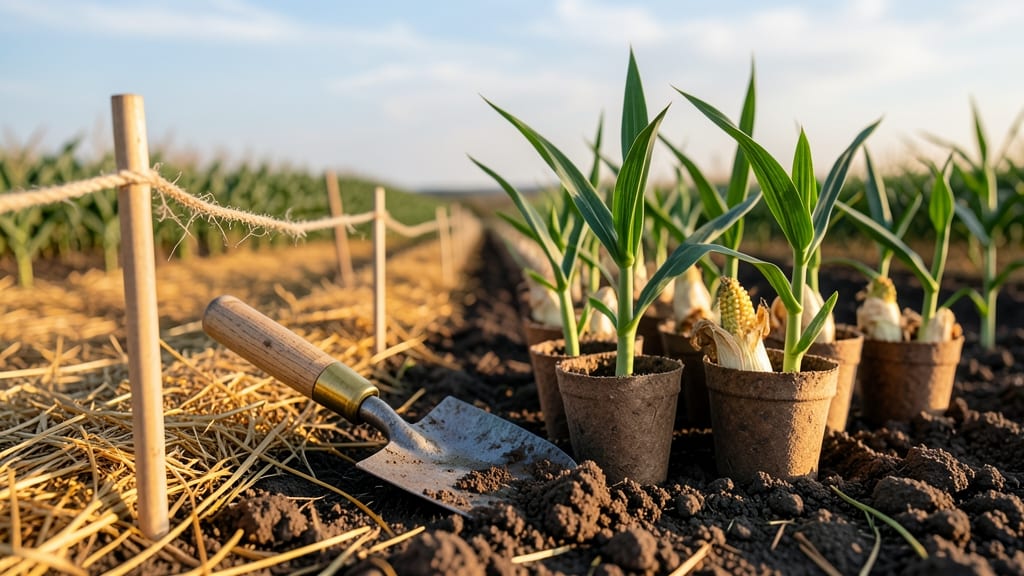
Timing your 🌽 corn planting in Georgia isn’t just about checking a calendar—it’s about reading your soil, counting frost-free days, and knowing whether you’re in the Piedmont’s cooler hills or the Coastal Plain’s balmy lowlands.
Plant too early, and chilly soil can stall germination for weeks. Too late, and you’ll miss peak harvests before summer’s heat sets in. The perfect window—April 15 to June 15—varies by county, with North Georgia’s 7b-9a zones needing extra caution against late frosts that can wipe out tender seedlings.
But here’s the game-changer: soil temperature matters more than dates. Corn won’t sprout reliably until the earth hits 60°F, and that could mean waiting weeks past your neighbor’s planting day.
I’ll show you how to test your soil, adjust for microclimates, and pick varieties that thrive in Georgia’s heat—whether you’re in Athens or Savannah.
Skip the guesswork and learn how to align your planting with your county’s frost data, soil warmth, and even elevation. By the end, you’ll know exactly when to drop those seeds for ears bursting with flavor—and avoid the 3 biggest mistakes Georgia gardeners make every year.
Georgia corn planting dates by county: frost-free deadlines & soil warmth zones
Georgia’s diverse geography—from the Blue Ridge Mountains to the Coastal Plain—creates wildly different planting windows for corn. In North Georgia (USDA Zone 7b), you might start as early as late March, while South Georgia (Zone 8a) often waits until mid-April.
The key? Waiting until soil warms to at least 50°F and the last frost date has passed (usually 2-3 weeks before your county’s average).
Corn is sensitive to cold soils, and germination stalls below 50°F. Even if frost risk is low, planting too early in chilly soil leads to slow growth and rot-prone seedlings. Use a soil thermometer to confirm readiness—this is your best tool for avoiding common mistakes.
For example, Athens (Clarke County) often sees its last frost around March 20, but I wait until April 1 to plant sweet corn varieties.
Below is a county-by-region breakdown of frost-free deadlines and ideal planting windows. Bookmark this for your specific area—it’s the difference between a bountiful harvest and a disappointing yield.
Remember, early varieties (like Silver Queen) can handle slightly cooler soils, while dent corn (e.g., Pioneer 39T21) thrives in warmer conditions.
| Region | Counties | Avg. Last Frost | Ideal Planting Window | Soil Temp. Goal |
|---|---|---|---|---|
| North Georgia | Fannin, Gilmer, Cherokee, Hall | March 15–25 | April 1–15 (early varieties) | 50–55°F (wait for warmth) |
| Central Georgia | Athens, Macon, Columbus | March 20–April 1 | April 10–May 1 | 55–60°F (standard varieties) |
| South Georgia | Savannah, Brunswick, Albany | March 25–April 10 | April 15–May 15 | 60°F+ (heat-tolerant varieties) |
| Mountain Counties | Dahlonega, Blairsville, Blue Ridge | March 10–20 | April 5–May 1 (late frost risk) | 50°F+ (use row covers) |
If you’re in North Georgia’s higher elevations, like Dahlonega or Blairsville, late frosts can linger into early April.
I’ve seen 32°F temps as late as April 10 in these areas, so I recommend using row covers or planting cold-hardy varieties like Peaches & Cream if you’re eager to start early.
For Central Georgia, where Athens and Macon dominate, the window is wider—April 10 to May 1 works for most varieties.
In South Georgia, where Savannah and Brunswick enjoy longer growing seasons, you can push planting into mid-May for fall harvests. However, avoid planting after June 1, as ear development slows in Georgia’s humid summer heat, and you risk drought stress before maturity.
For field corn (used for livestock or ethanol), some farmers even plant a second crop in late June, but this requires fast-maturing hybrids (e.g., Pioneer 84B38).
One mistake I see often is planting by calendar date instead of soil temperature. For example, March 20 might feel safe in Athens, but if the soil is still 45°F, your seeds will rot in the ground.
Always test with a soil thermometer—it’s a $15 investment that saves hours of frustration. Aim for 50°F for germination and 60°F+ for robust growth.
For container-grown corn, timing shifts slightly. Since pots warm faster than ground soil, you can plant 1–2 weeks earlier in 5-gallon pots with black plastic mulch to accelerate soil heating.
Just ensure your containers are in full sun and use a heat mat if nights dip below 50°F. I’ve had success with baby corn
How to adjust corn planting time for Georgia’s microclimates & soil conditions
Georgia’s diverse geography means your Forsyth County garden might have different planting needs than Camden County just 100 miles away. Microclimates—created by elevation, soil type, and proximity to water—can shift your ideal planting window by 2-4 weeks.
For example, North Georgia’s higher elevations (like Blue Ridge) often experience later last-frost dates than South Georgia’s Coastal Plain.
Start by testing your soil temperature with a soil thermometer. Corn seeds need soil that’s consistently 60°F or warmer to germinate properly. In North Georgia, this might not happen until mid-April, while South Georgia gardeners can plant as early as late March in sandy soils that warm faster.
Use this numbered highlights guide to adjust your planting schedule based on local conditions:
If you’re in a transition zone (like Middle Georgia), consider planting a successive crop. Start with early varieties in April and follow up with main-season corn in late May to stretch your harvest window from July to September.
For container gardening, warm soil faster by placing pots in black containers or on dark-colored tarps. Move containers to sunnier spots during the day and bring them indoors if nighttime temperatures drop below 50°F.
Pro tip: Keep a planting journal for 2-3 years to track your local microclimate’s quirks. Note when your soil hits 60°F, your last frost date, and how varieties perform—this data becomes your personalized planting calendar over time. 🌽