
Plants
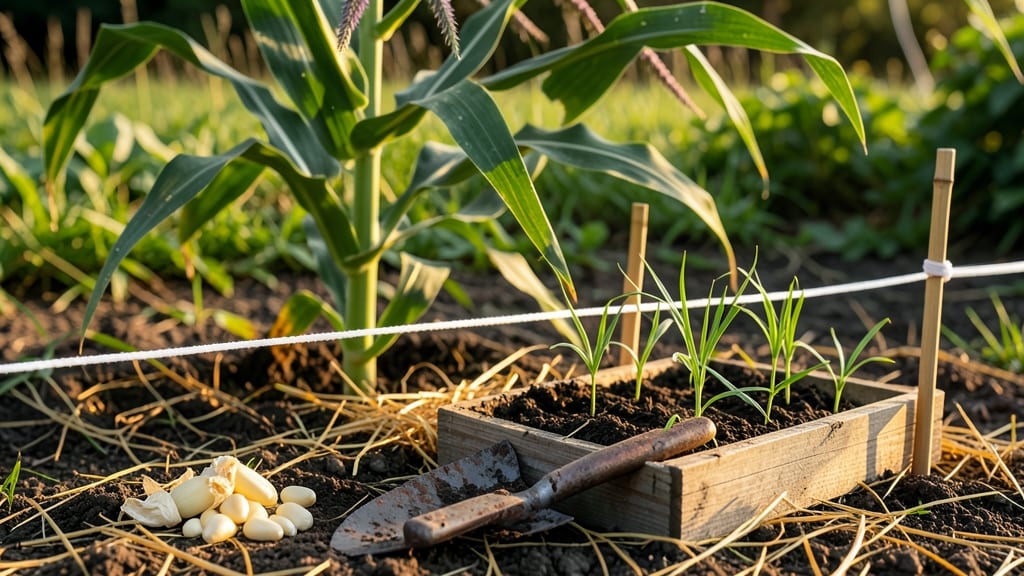
Timing your 🌽 corn planting in Tennessee right can mean the difference between a bumper crop and a disappointing harvest. With the state's varied climate—from the cooler Appalachian highlands to the warmer Mississippi Delta—getting the dates wrong could leave your plants vulnerable to frost or stunted growth.
Most Tennessee gardeners know the general rule: plant corn after the last frost, but the exact timing depends on your specific USDA zone. In 6a-7b regions, that window typically opens in mid-April but can stretch into early June depending on where you live.
The key is waiting until soil temperatures reach a steady 60°F.
I'll show you exactly how to adjust your planting schedule based on your county's microclimate. Whether you're in the mountains where nights stay chilly longer or the lowlands where heat arrives early, these insights will help you maximize your corn's potential.
Let's dive into the perfect planting strategy for your Tennessee garden.
From early-season varieties for high-altitude areas to late plantings that work in the Delta, you'll discover the optimal timing that matches your local conditions. Plus, I'll share pro tips for extending your growing season if needed, so you can enjoy fresh ears from late July through October.
Tennessee corn planting dates by heat zone (USDA Zones 6-8)
Planting corn in Tennessee requires precision—timing can make or break your harvest. The state spans USDA Zones 6a-8a, with last frost dates ranging from early April in West Tennessee to late May in the Appalachian highlands.
To thrive, corn needs soil temperatures above 60°F and 180 frost-free days. Here’s how to pinpoint your ideal planting window.
I’ve broken down Tennessee’s three main regions—East Tennessee (Zones 6a-7a), Middle Tennessee (Zones 7a-7b), and West Tennessee (Zones 7b-8a)—to help you avoid frost damage and maximize yields. Each zone has unique microclimates, so let’s dive into the specifics.
For East Tennessee, think of counties like Sevier, Sullivan, and Carter. These high-elevation areas have shorter growing seasons, so I recommend planting late April to early May after the last frost. Soil temperatures here often lag behind other regions, so use a soil thermometer to confirm readiness.
In Middle Tennessee, counties like Davidson (Nashville), Rutherford, and Wilson offer a balanced climate. Aim for mid-April to late April, aligning with the average last frost date of April 15. This window gives corn enough time to mature before the first frost in mid-October.
West Tennessee, including Shelby (Memphis), Tipton, and Dyer, enjoys a longer growing season. Plant early to mid-April, as frost risks are minimal. However, droughts are common here, so choose drought-tolerant varieties like ‘Silver Queen’ or ‘Peaches and Cream’.
| Region | USDA Zone | Last Frost Date | Ideal Planting Window | Soil Temp Threshold |
|---|---|---|---|---|
| East TN (Sevier, Sullivan) | 6a-7a | Late April - Early May | Late April to Early May | 60°F+ |
| Middle TN (Davidson, Rutherford) | 7a-7b | Mid-April | Mid-April to Late April | 60°F+ |
| West TN (Shelby, Tipton) | 7b-8a | Early April | Early to Mid-April | 60°F+ |
If you’re unsure about your local frost dates, check the National Weather Service or your local cooperative extension office. For example, Memphis (Shelby County) typically sees its last frost by March 15, while Bristol (Sullivan County) often waits until May 1.
Planting too early risks frost damage, while waiting too long may shorten your harvest window.
For early-season varieties like ‘Ambrosia’ or ‘Bodacious’, you can push planting to late March in West Tennessee if you’re willing to take the risk. Use row covers to protect seedlings from unexpected cold snaps. In East Tennessee, stick to late April to avoid losing your crop to late frosts.
Pro tip: Plant a test row a week before your target date. If the seedlings emerge strong and healthy, you’re good to go. If they look weak or wilted, wait another week. This simple trick saves time and heartache later in the season.
Remember, corn needs 90-120 days to mature, depending on the variety. In East Tennessee, this means planting by early June at the latest to ensure a harvest before frost. In West Tennessee, you can stretch to early July for late-season varieties.
Finally, always choose disease-resistant varieties suited to your region. For example, ‘Pioneer 39T03’ is a great all-purpose choice for Middle Tennessee, while ‘Golden Bantam’ is ideal for shorter seasons in the mountains. Happy planting! 🌽
How to adjust corn planting for Tennessee’s microclimates (mountains vs. Delta)
Tennessee’s geography creates dramatic differences in corn planting success. In the Appalachian highlands of East TN (e.g., Sevier County), cooler temperatures and shorter growing seasons demand earlier, faster-maturing varieties, while the Mississippi Delta (e.g., Tipton County) can handle later plantings with heat-tolerant strains. Even within Middle TN, cities like Nashville experience microclimates where urban heat islands push planting dates 1-2 weeks earlier than rural areas. Elevation is your first clue: Every 1,000 feet gain shortens the growing season by ~10 days. For example, Sullivan County (elevation 1,500+ ft) should plant sweet corn by mid-April, while Shelby County (lowland) can wait until late April. Use short-season varieties like ‘Silver Queen’ (75 days) in the mountains or ‘Peaches and Cream’ (90 days) in the Delta.Drought risk varies wildly too. West TN’s sandy soils (e.g., Dyer County) dry out fast—opt for drought-resistant hybrids like ‘Pioneer 39T23’ and mulch heavily. Meanwhile, East TN’s clay soils (e.g., Carter County) hold moisture longer, letting you plant 10 days later without stress.
Always check soil moisture before committing: Stick your finger 2 inches deep—if it’s dry, delay planting.
Urban gardeners in cities like Chattanooga face another challenge: pollution and wind. Corn needs calm conditions to pollinate—plant near windbreaks (like fences or hedges) and avoid high-traffic streets where dust reduces yield.
For container growing, use 5-gallon pots with fast-draining mix and plant ‘Bodacious’ (85 days), a compact variety that thrives in limited space.
🌽Pro Tip: Test your soil’s phosphorus levels—corn is hungry for P (phosphorus). In West TN, where soils are often deficient, add bone meal at planting.
In East TN, where organic matter is higher, a light compost top-dress suffices. Aim for soil temps of 60°F+ before planting, using a soil thermometer for accuracy.
| Region | Key Adjustments | Recommended Varieties | Soil Prep Tip |
|---|---|---|---|
| East TN Mountains (e.g., Sevier, Sullivan) | Plant mid-April; use early-maturing types (70-80 days). | ‘Silver Queen’, ‘Ambrosia’ | Add compost to cold soils. |
| Middle TN (e.g., Davidson, Williamson) | Plant late April; standard season (85-95 days). | ‘Peaches and Cream’, ‘Golden Bantam’ | Test for pH 6.0-6.8. |
| West TN Delta (e.g., Shelby, Tipton) | Plant early May; heat-tolerant (100+ days). | ‘Pioneer 39T23’, ‘Sweet Summer’ | Add bone meal for phosphorus. |
| Urban TN (e.g., Nashville, Memphis) | Plant 1-2 weeks earlier due to heat islands. | ‘Bodacious’ (containers), ‘Country Gentleman’ | Use windbreaks for pollination. |
For late plantings (after May 15), choose succession varieties like ‘Early Sunglow’ (70 days) to squeeze in a harvest before first frost (typically mid-October). In East TN, extend the season with row covers—they can add 2-3 weeks of protection.
Just remember: Corn needs warmth to germinate, so never plant before soil hits 60°F, even if the calendar says spring.
💡Final Tip: Keep a planting journal for 2-3 years to track your local microclimate. Note when silks emerge (a sign of pollination success) and adjust future plantings.
Tennessee’s unpredictable weather—from April frosts to July droughts—means flexibility is key. Start with small test plots to find your sweet spot before scaling up.