
Plants
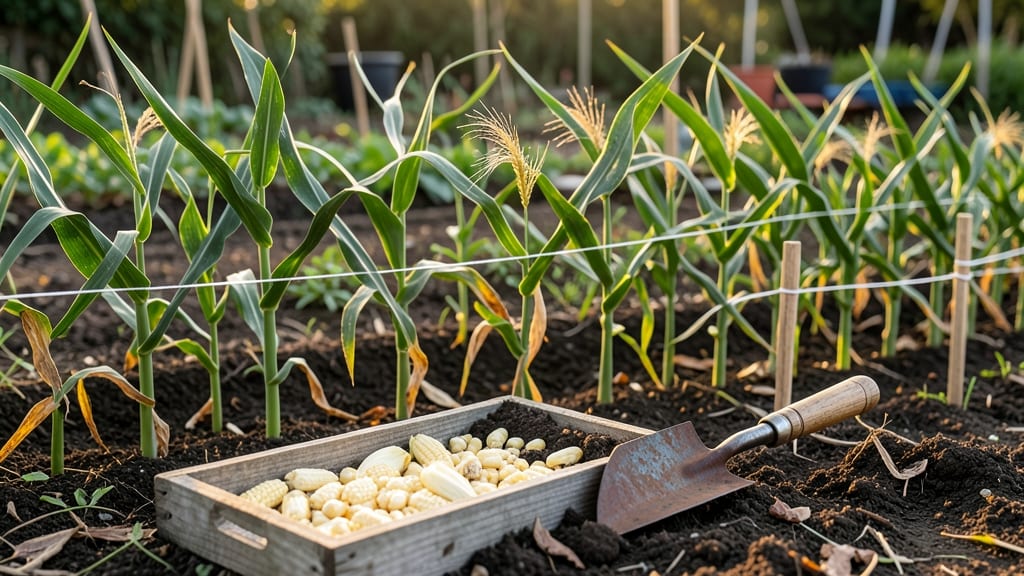
Timing your 🌽 corn planting in Upstate NY just right could mean the difference between golden ears on the cob and a disappointing harvest. With USDA zones 5b-6b and unpredictable spring weather, knowing exactly when to plant is critical for success.
Most gardeners in Upstate NY wait until mid-April to early May when soil temperatures consistently reach 60°F—but that's just the starting point. The real secret lies in understanding your local frost dates and choosing varieties that thrive in your specific microclimate.
In this guide, I'll walk you through the exact frost-free planting window for your region, which varieties perform best, and how to extend your growing season if needed. Whether you're a first-time gardener or a seasoned pro, these insights will help you maximize your corn yield.
From selecting the right seeds to implementing smart planting strategies, you'll discover everything you need to know to grow healthy, productive corn plants that reach their full potential. Let's get those seeds in the ground at the perfect time!
Upstate NY corn planting timeline: frost-free window & hardiness zones
Upstate New York’s USDA Zones 5b-6b bring unique challenges for corn growers, with late spring frosts and short growing seasons demanding precise timing. The last average frost date typically falls between May 1-15, but microclimates—especially near lakes—can push this back by 1-2 weeks.
For a 165-day frost-free window, aim to plant corn 4-6 weeks before your last frost, which usually lands in mid-April to early May.
Soil temperature is just as critical as air temperature. Corn seeds won’t germinate reliably below 50°F (10°C), but 60°F (15°C) is ideal. Use a soil thermometer to confirm readiness—especially in Zone 5b areas where cold snaps linger.
If your soil is too cold, wait; rushing planting leads to poor germination rates and weak stalks.
Upstate NY’s regions vary significantly. Western NY (e.g., Buffalo, Rochester) often sees earlier last frosts (late April), while Adirondacks and Catskills (Zones 5a-5b) can hold frost until mid-May.
Check your local Cornell Cooperative Extension for hyper-local data, or use the National Weather Service’s frost prediction maps to fine-tune your schedule.
| Region | USDA Zone | Last Frost Date | Ideal Planting Window | Soil Temp Goal |
|---|---|---|---|---|
| Western NY (Buffalo, Rochester) | 6a-6b | Late April | April 15–May 1 | 60°F (15°C) |
| Central NY (Syracuse, Ithaca) | 5b-6a | Early May | April 25–May 10 | 60°F (15°C) |
| Adirondacks/Catskills | 5a-5b | Mid-May | May 5–May 15 | 60°F (15°C) |
| Lake-Effect Zones (e.g., Finger Lakes) | 6a-6b | Late April–Early May | April 20–May 5 | 60°F (15°C) |
If you’re planting early varieties (e.g., ‘Early Sunglow’), you can push the envelope and sow seeds 2-3 weeks before your last frost, provided your soil is workable and you’re using row covers.
For late varieties (e.g., ‘Bodacious’), wait until after May 1 to avoid ear rot from prolonged cool, wet weather—a common issue in Upstate NY’s humid summers.
Pro tip: Use black plastic mulch to warm soil faster in Zone 5b areas. Lay it down 2-3 weeks before planting to create a 5-10°F warmer microclimate, accelerating germination. This trick is a game-changer for late-spring gardeners who need to maximize their short season.
For transplanting seedlings, start indoors 4-6 weeks before your last frost (typically mid-March to early April for Upstate NY). Harden off seedlings for 7-10 days before transplanting, and choose overcast days to reduce transplant shock. Seedlings should be 6-8 inches tall with 4-6 true leaves before going outdoors.
Monitor your local almanac predictions closely—Upstate NY’s unpredictable weather patterns can shift frost dates by 10+ days. If a late frost warning pops up after planting, rush to cover seedlings with frost cloth or a clear plastic tunnel.
Corn is sensitive to cold snaps after germination, so don’t skip this step.
Remember: Succession planting
Best corn varieties for Upstate NY & their ideal planting dates
Upstate NY’s short growing season (about 165 frost-free days) demands corn varieties that mature quickly yet thrive in USDA Zones 5b-6b. Choosing the right type—whether sweet corn, field corn, or heirloom—can mean the difference between a bountiful harvest and a disappointing one.
Let’s break down the best options and their exact planting windows to fit Upstate NY’s climate.
Sweet corn dominates home gardens, but some varieties outperform others in our region. For example, 'Silver Queen' (70 days) is a classic short-season favorite, while 'Peaches and Cream' (85 days) offers superior flavor but needs a slightly longer season. Field corn, like 'Mangels' (90 days), is ideal for animal feed or drying, while heirlooms such as 'Country Gentleman' (95 days) reward patient gardeners with rich, old-fashioned kernels.
🌽 Upstate NY Corn Variety Comparison
| Variety | Type | Days to Maturity | Planting Window | Heat Tolerance | Best For |
|---|---|---|---|---|---|
| Silver Queen | Sweet | 70 days | Late April–early May | Moderate | Early harvest, short seasons |
| Peaches and Cream | Sweet | 85 days | Mid-April–mid-May | High | Flavor, longer seasons |
| Bodacious | Sweet | 80 days | Late April–early May | Very High | Drought tolerance, disease resistance |
| Mangels | Field | 90 days | Late April–May | Moderate | Animal feed, drying |
| Country Gentleman | Heirloom | 95 days | Early May | Moderate | Flavor, heirloom gardens |
For short-season varieties like 'Silver Queen', aim to plant by early May to ensure harvest before the first frost (typically mid-October).
If you’re growing heat-loving types like 'Bodacious', start seeds indoors in late March or direct-sow by late April to give them a head start. Field corn varieties like 'Mangels' can handle slightly cooler soils, so they’re a safer bet if your spring is slow to warm.
Soil temperature is just as critical as air temperature. Corn seeds won’t sprout until the soil reaches 60°F (15°C), so use a soil thermometer to confirm readiness.
In colder microclimates (like higher elevations), wait until mid-May to plant even short-season varieties. Succession planting every 2 weeks after your initial sowing will stretch your harvest window—critical in Upstate NY’s 165-day growing season.
Planting corn in blocks (not rows) encourages pollination, which is especially important for heirloom varieties like 'Country Gentleman'. Space plants