
Plants
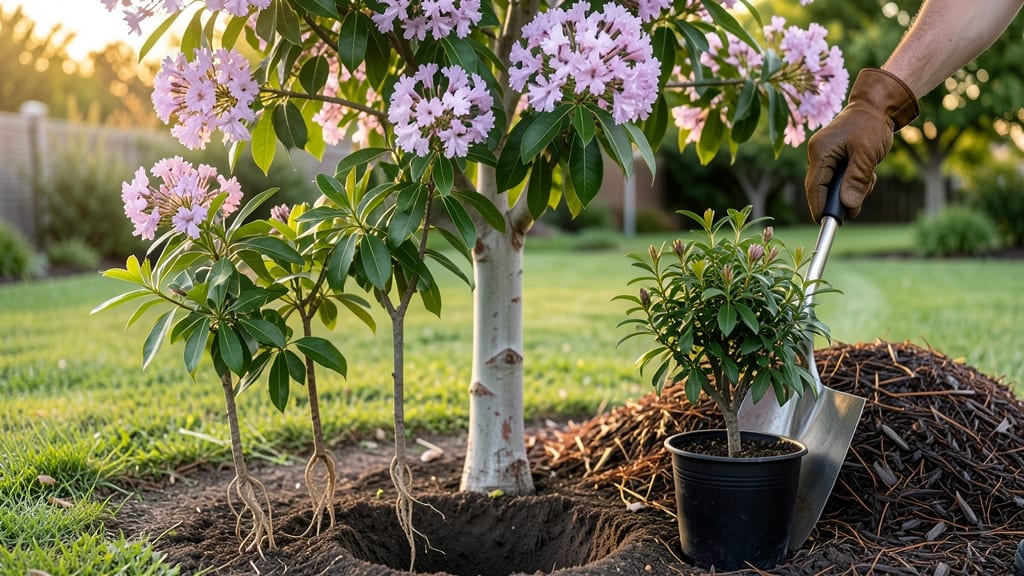
Planting your 🌸 crape myrtle at the wrong time in Virginia could mean waiting years for those show-stopping summer blooms—or worse, losing your investment entirely. This drought-loving beauty thrives when planted just right, but Virginia’s shifting frost dates and microclimates make timing everything.
Whether you’re in the warmer Tidewater region or the cooler Piedmont hills, getting the timing down to late winter or early fall is the key to strong root growth before summer’s intense heat arrives.
I’ll break down exactly when to dig in—plus how to prep your soil and choose between bare-root or container-grown plants for maximum success.
You’ll also learn how to spot the 5 signs your timing is off (like yellowing leaves or stunted growth) and how to adjust for Virginia’s unpredictable weather. Let’s make sure your crape myrtle doesn’t just survive—it thrives with bold blooms every season.
From frost-free dates to companion planting tips, this guide gives you the confidence to plant at the perfect moment—so you can enjoy your 🌸 crape myrtle’s stunning display for years to come.
Best planting months for crape myrtles in Virginia by hardiness zone
Virginia’s USDA hardiness zones 6a-8a create unique challenges for crape myrtle planting. The Tidewater region (7a-8a) enjoys longer growing seasons, while the Piedmont (6a-7a) faces earlier frosts. Getting the timing right means the difference between a thriving tree and one struggling to establish roots before summer heat arrives.
For bare-root crape myrtles, the ideal window is late winter to early spring (February-April), when soil temperatures rise above 50°F (10°C).
This timing lets roots establish before summer’s intense heat. Container-grown plants offer more flexibility, allowing planting up to June in zones 7a-8a, but avoid late summer planting in cooler zones.
Fall planting is also excellent—September through early October gives roots time to settle before winter dormancy. In zone 6a, aim for September planting to avoid early frost damage. The key is planting 6-8 weeks before first frost, which typically arrives between November 1-15 in Virginia.
| Zone | Best Planting Window | Soil Temp Threshold | Frost Risk |
|---|---|---|---|
| 6a (Piedmont) | Late April - Early May | 55°F (13°C) | High (May frost) |
| 7a (Central VA) | March - April or Sept-Oct | 50°F (10°C) | Moderate (April frost) |
| 7b (Tidewater) | Feb-March or Sept-Oct | 48°F (9°C) | Low (March frost rare) |
| 8a (Southeast VA) | Jan-Feb or Sept-Nov | 45°F (7°C) | Very Low |
In zone 6a, the Piedmont region faces the highest frost risk. Planting too early (before April 15) risks frost damage to tender new growth. Use row covers if planting in late March for extra protection.
For container-grown plants, you can extend the window to early June in zones 7a-8a, but avoid planting after June 15 in cooler zones.
Soil temperature is more critical than air temperature. Use a soil thermometer to confirm 50°F (10°C) consistency for 7+ days before planting. In sandy soils (common in Tidewater), temperatures warm faster than clay soils (common in Piedmont).
Adjust your planting date accordingly—sandy soils may be ready 2-3 weeks earlier.
For fall planting, prioritize September in zone 6a and October in zones 7a-8a. This timing ensures roots establish before winter dormancy begins. Avoid planting after October 15 in zone 6a, as roots need 6-8 weeks to harden off before frost.
Pro tip: Mulch heavily after fall planting to insulate roots. Use 3-4 inches of wood chips and keep mulch 6 inches away from the trunk to prevent rot. This extra care helps crape myrtles survive Virginia’s winter lows of 0°F (-18°C) in zone 6a.
If you’re in zone 8a, you can push the envelope with late fall planting (November), but avoid planting after November 15. The goal is to give roots time to establish before winter rains and cool soils slow growth.
In warmer microclimates (like near Chesapeake Bay), you might even squeeze in December planting for container-grown specimens.
Remember: Crape myrtles hate wet feet. If your area experiences winter rains, choose a well-draining site with a slight slope to prevent root rot. In low-lying areas, consider raised beds or mounds for better drainage.
How to prepare crape myrtles for Virginia’s spring vs. fall planting
Preparing your crape myrtles for spring or fall planting in Virginia makes all the difference between a thriving tree and one that struggles. Both seasons offer ideal conditions, but each requires different steps to ensure strong root establishment and vibrant blooms.
Let’s break down what you need to know for each planting window.
For spring planting (March-April), focus on soil warming and protecting young roots from late frosts. Virginia’s last frost typically arrives around March 15, but cooler zones like the Blue Ridge Mountains (Zone 6a) may experience frost until early April.
Planting too early risks shock, while waiting too long may stress the tree before summer heat sets in.
Fall planting (September-October) is often preferred because cooler temperatures and increased rainfall help roots establish before winter dormancy. Aim to plant at least 6-8 weeks before your region’s first frost—usually by October 15 in most of Virginia. This gives roots time to grow without competing with summer heat or winter cold.
⚠️ Avoid These Fall Planting Mistakes
Planting too late in fall (November or later) leaves roots vulnerable to winter freeze-thaw cycles. Overwatering before dormancy can also suffocate roots. Bare-root plants need immediate soil contact—don’t let them dry out while prepping the hole.
Before planting, amend your soil with compost or aged manure to improve drainage, as crape myrtles hate soggy roots. Test your soil’s pH—ideal levels are 5.5-6.5. In sandy soils (common in Tidewater), mix in peat moss, while clay-heavy soils (Piedmont) benefit from coarse sand or perlite.
Mulch is non-negotiable for Virginia’s climate swings. Apply 2-3 inches of mulch (wood chips or pine straw) around the base, but keep it 6 inches away from the trunk to prevent rot.
Water deeply right after planting—10-15 gallons for small trees—and maintain consistent moisture for the first 6-8 weeks, whether planting in spring or fall.
For container-grown crape myrtles, remove the plant from its pot and soak the root ball in water for 10-15 minutes before transplanting. This helps reduce transplant shock, especially critical in Virginia’s hot, humid summers.
If planting in urban areas with compacted soil, consider adding a backfill mix of 60% native soil and 40% compost.