
Plants
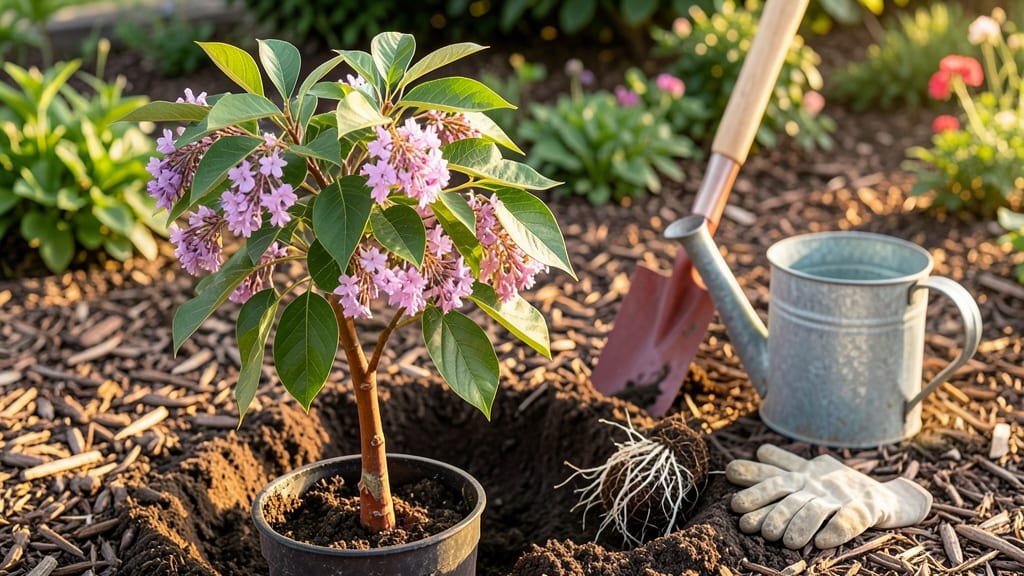
If you're dreaming of a backyard bursting with 🌸 crepe myrtle blooms but dread Florida's unpredictable weather, planting at the right time is everything. The good news? Florida’s year-round growing season gives you flexibility, but there’s still a sweet spot for crepe myrtle success.
Whether you're in Zone 8a or braving the tropics of Zone 11, knowing when to plant crepe myrtle in Florida makes all the difference between a thriving tree and a sad, wilted disappointment.
I’ve seen gardeners swear by spring plantings for their vibrant blooms, while others insist early fall is the secret to deep roots. Both have merit—but there’s more to it than just picking a season.
Let’s break down the best months for your crepe myrtle, plus how to prep it for Florida’s heat and humidity.
From soil prep to watering tricks, I’ll show you exactly how to give your crepe myrtle the head start it needs—no matter when you’re ready to dig in. Ready to plant with confidence?
Best crepe myrtle planting months in Florida’s heat Zones 8-10
Florida’s USDA Hardiness Zones 8-10 create unique challenges for planting crepe myrtles, but the key is understanding your heat zone and avoiding extreme weather. Unlike northern climates, Florida’s year-round growing season means you can plant almost anytime—but timing matters for survival and growth.
In Zone 8 (northern Florida), your best window is March through May or September through November. Zones 9 and 10 (central/southern Florida) offer even more flexibility, with January through April and September through November being ideal. Summer planting is possible but riskier due to intense heat and humidity.
Container-grown crepe myrtles adapt better to summer heat than bare-root saplings, which struggle with transplant shock when planted in 90°F+ temperatures. If you must plant in summer, choose early morning or late afternoon to minimize stress on the roots.
Here’s how Florida’s heat zones break down for crepe myrtle planting:
| Heat Zone | Best Planting Months | Avoid Planting | Notes |
|---|---|---|---|
| Zone 8 | March-May, Sept-Nov | June-August (extreme heat) | Use shade cloth for summer plantings; mulch heavily. |
| Zone 9 | Jan-Apr, Sept-Nov | May-August (peak humidity) | Container-grown trees handle summer better; water deeply. |
| Zone 10 | Jan-Apr, Sept-Nov | May-October (hurricane season risk) | Avoid hurricane-prone months; use windbreaks. |
For Zone 8 gardeners, the spring window (March-May) is critical because it allows roots to establish before summer’s 100°F+ soil temperatures. In Zones 9-10, early spring (January-February) gives trees a head start before the monsoon season arrives in June.
If you’re planting in summer (June-August), focus on container-grown trees and provide daily shade for the first 2-3 weeks. Use drip irrigation to keep soil consistently moist without wetting the leaves, which can lead to fungal diseases in Florida’s humidity.
Fall planting (September-November) is ideal because temperatures are mild and rainfall increases, giving young roots time to establish before winter. Just avoid planting too late in fall—November in Zone 8 can bring unexpected cold snaps, stressing newly planted trees.
Pro tip: Test your soil’s pH before planting—crepe myrtles thrive in slightly acidic to neutral soil (pH 5.5-7.0). Florida’s sandy soils often need amendments like compost or peat moss to retain moisture and nutrients.
🌸
Best crepe myrtle planting months in Florida’s heat Zones 8-10
Florida’s heat zones 8-10 create unique challenges for crepe myrtle planting. Unlike northern climates, Florida’s year-round growing season means you can plant almost anytime—but timing still matters for root establishment and bloom success.
The best windows are late fall through early spring, when temperatures are mild and rainfall is steady.
Container-grown crepe myrtles adapt better to Florida’s heat than bare-root saplings, which struggle with transplant shock during summer’s peak. For Zone 8 (north FL), aim for November-March to avoid late frosts. In Zones 9-10 (central/south FL), January-February is ideal, but summer plantings are possible with extra care.
| Heat Zone | Best Planting Window | Container-Grown Tips | Bare-Root Tips |
|---|---|---|---|
| Zone 8 | November–March | Plant anytime; water deeply | Avoid summer; soak roots before planting |
| Zone 9 | January–February | Shade acclimate 1 week before | Use root stimulator; mulch heavily |
| Zone 10 | January–March | Water every 3–4 days post-plant | Avoid hurricane season (June–Nov) |
Summer plantings (June-August) are risky but possible in Zones 9-10 if you use shade cloth and water daily. The key is minimizing stress—crepe myrtles wilt quickly in Florida’s 90°F+ heat.
For container-grown trees, move them to a shadier spot for 1–2 weeks before transplanting to harden them off.
After planting, mulch with 3–4 inches of pine bark or wood chips to retain moisture. In Zone 8, mulch also protects roots from winter temperature swings. For hurricane-prone areas, stake young trees to prevent wind damage during June-November storm season.
Pro tip: Test your soil’s pH (crepe myrtles prefer 5.5–6.5). Florida’s sandy soils often need compost or peat moss to improve drainage and nutrient retention. Amend the planting hole with 1/3 compost to give roots a nutrient boost.
Remember, crepe myrtles bloom on new wood, so planting in late winter gives them time to establish roots before summer’s heat stress. With the right timing, your tree will reward you with vibrant blooms from June through fall.