
Plants
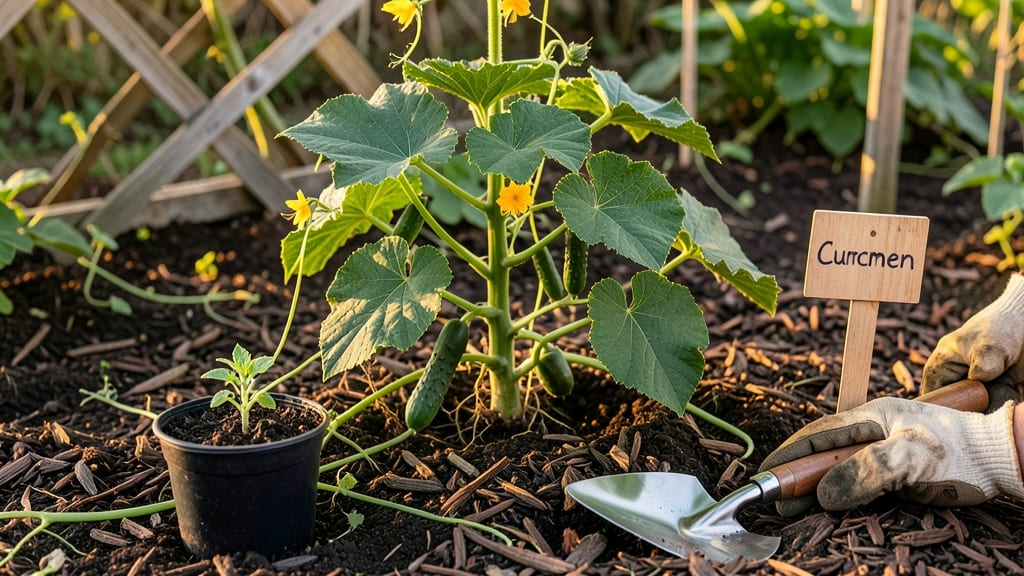
Timing your cucumber seeds planting in North Carolina can make or break your harvest—get it wrong, and you might end up with wilted vines or bitter fruit before summer even begins.
The key isn’t just waiting for spring; it’s knowing when your soil is warm enough, your frost risk is gone, and your local microclimate plays to your advantage.
Most NC gardeners in zones 7a-8b swear by planting between April 15 and June 15, but that’s just the starting point.
I’ll show you how to adjust for your specific corner of the state—whether you’re in the mountains, Piedmont, or coastal plains—plus the 3 critical mistakes that even seasoned growers make that kill yields before they start.
Ready to avoid the guesswork? You’ll learn exactly when to start seeds indoors (or skip it entirely), how to tell if your soil is truly ready, and why planting too early can mean frost damage—or worse, a total crop fail. Let’s get those 🥒 vines thriving the right way.
By the end, you’ll have a clear, actionable plan tailored to NC’s climate quirks—so you can enjoy fresh cucumbers from June through September without the stress. No more wasted seeds or empty vines!
Best planting dates for cucumber seeds in NC by hardiness zone
North Carolina’s 7a-8b hardiness zones offer a perfect climate for cucumbers, but getting the timing right is everything. The last average frost date in most of NC falls between March 15 (mountains) and April 15 (coastal areas), but cucumbers need soil temperatures above 60°F to thrive.
Planting too early risks frost damage, while waiting too long cuts your harvest short.
For direct sowing (planting seeds outdoors), aim for April 15-May 15 in most of NC. If you’re transplanting seedlings, start them indoors 4-6 weeks before your last frost date. Coastal areas can plant slightly earlier, while mountain regions should wait until mid-May to avoid late frosts.
Here’s how to adjust for your specific NC zone:
| Zone | Last Frost | Direct Sow Start | Transplant Start | Soil Temp Threshold |
|---|---|---|---|---|
| 7a (Mountains) | April 15 | May 1-15 | April 1-15 (indoors) | 60°F+ |
| 7b (Piedmont) | March 30 | April 15-May 1 | March 15-April 1 (indoors) | 60°F+ |
| 8a (Coastal) | March 15 | April 1-May 1 | February 15-March 1 (indoors) | 60°F+ |
| 8b (Coastal Plains) | March 1 | March 20-April 15 | January 30-February 15 (indoors) | 60°F+ |
Use a soil thermometer to confirm your soil is warm enough—cucumber seeds won’t germinate below 60°F. If your soil is still cold, try black plastic mulch to warm it faster. For extended harvests, plant a second batch 4-6 weeks after your first planting.
NC’s humid summers can also stress cucumbers, so choose heat-tolerant varieties like ‘Straight Eight’ or ‘Southern Sweet’ for better success. These varieties handle NC’s 90°F+ days without bolting (flowering too quickly).
If you’re in a microclimate (like a city with heat islands or a sheltered valley), you can plant 1-2 weeks earlier than the general guidelines. Just monitor local weather forecasts for frost warnings—even a light frost can kill young plants.
For container growing, plant seeds after your last frost date and use 5-gallon pots or larger to accommodate sprawling vines. Containers warm up faster than garden soil, so you might even plant 1 week earlier than in-ground plants.
Pro tip: Mark your planting dates on a garden calendar and set reminders for succession planting in late May or early June. This ensures a steady supply of fresh cucumbers all summer long.
3 Critical mistakes that ruin cucumber harvests in NC gardens
Even in North Carolina’s cucumber-friendly climate, 3 common mistakes can turn your garden dreams into a bitter harvest. Let me share the pitfalls I’ve seen destroy yields—and how to avoid them.
The first mistake? Planting too early when soil temps dip below 65°F, stalling germination and inviting fungal diseases like powdery mildew.
I once watched a neighbor’s cucumbers wilt after a late frost because they planted in mid-April instead of waiting for May 15 when nighttime temps consistently stay above 50°F.
The lesson? Always check your local last frost date (NC’s ranges from March 15 in the mountains to April 15 in the coast).
Mistake vs. Solution
Stunted growth, disease risk
Use a soil thermometer
Poor drainage, root rot
Test pH (6.0-6.8 ideal)
Here’s another heartbreaker: overcrowding plants by spacing them too close (less than 2 feet apart). In NC’s humid summers, this creates the perfect storm for powdery mildew and cucumber beetles.
I’ve seen entire rows collapse because gardeners assumed "more plants = more cucumbers." Pro tip: Use 3-4 feet spacing for vining types and 1-2 feet for bush varieties.
The third mistake? Ignoring succession planting in NC’s short growing season. Many gardeners plant all their seeds at once, then face a 3-week glut followed by a sudden harvest end.
Instead, stagger plantings every 2 weeks from May to July to keep cucumbers coming until September. This works especially well for heat-tolerant varieties like 'Straight Eight' or 'Marketmore 76'.
Let me leave you with this: One wrong move can turn your $20 seed packet into a $20 lesson. But with these fixes—right timing, proper spacing, and succession planting—you’ll turn your NC garden into a cucumber powerhouse instead of a cautionary tale. 🥒