
Plants
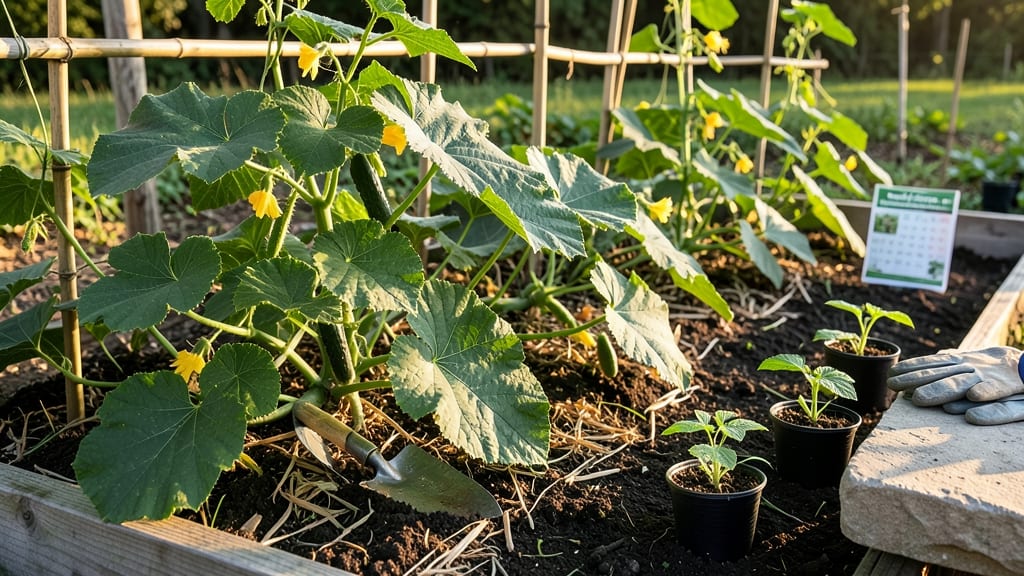
Timing your cucumber 🥒 planting just right in North Florida isn't just about following a calendar—it's about outsmarting the region's tricky weather shifts that can turn a promising harvest into a bust.
With frost still lurking until mid-March and summer heat arriving earlier than you'd expect, getting those seeds in the ground too early or too late means watching your plants struggle or fail before they even get a chance to thrive.
I've learned the hard way that waiting until soil temperatures hit at least 60°F makes all the difference between wilted seedlings and strong, productive vines.
That window opens around late February for spring plantings, but if you're aiming for fall harvests, you'll want to get seeds in the ground by late July—before the summer heat becomes overwhelming. The key is understanding your microclimate, whether you're in Jacksonville's coastal warmth or Tallahassee's slightly cooler inland areas.
What sets North Florida apart is how quickly conditions change—one week you're dealing with chilly mornings, the next you're battling 90°F afternoons. This guide will walk you through exactly when to plant for both spring and fall seasons, plus how to adjust your timing based on local weather patterns.
You'll discover which cucumber varieties handle our heat best and how to protect your plants from common pests that thrive in our humid climate.
By the end, you'll have a clear, actionable planting schedule tailored to North Florida's unique growing conditions. No more guessing games—just a reliable system to maximize your harvest from May through October. Let's get those cucumbers growing the right way.
North Florida cucumber planting calendar: frost-free zones and microclimate variations
North Florida’s USDA Zones 8a-9b offer two prime windows for cucumber planting—spring and fall—but the exact timing varies by region. Jacksonville’s coastal warmth lets you start earlier than Tallahassee’s inland chill, while Gainesville’s elevated terrain can delay frost risks.
Understanding these microclimates helps you avoid late frosts or summer heat stress that can ruin your crop before it starts.
For spring planting, aim for mid-February to early May after soil temperatures hit 60°F+. In Jacksonville, you might push to late January, but inland areas like Gainesville should wait until mid-March to dodge frost.
Fall plantings should begin late July to early September, with harvests wrapping up before the first frost in late November.
Here’s how these windows break down by region, including soil temperature thresholds and frost risk dates to guide your timing:
| Region | Spring Planting Window | Soil Temp Threshold | Frost Risk | Fall Planting Window |
|---|---|---|---|---|
| Jacksonville | Late Jan–Early Apr | 60°F+ (earlier in coastal areas) | Low (avg. last frost: Feb 15) | Late July–Early Sept |
| Gainesville | Mid-Mar–Early May | 65°F+ (higher elevation delays warmth) | Moderate (avg. last frost: Mar 1) | Early Aug–Mid-Sept |
| Tallahassee | Early Feb–Late Apr | 60°F+ (inland delays) | High (avg. last frost: Feb 28) | Late July–Early Sept |
To prep your soil for spring planting, work in compost or aged manure 2–3 weeks before sowing. Cucumbers thrive in well-draining soil with a pH of 6.0–6.8, so test your beds now.
For fall plantings, focus on mulching to retain moisture as summer heat fades and temperatures drop.
Pro tip: Use a soil thermometer to confirm readiness. Cucumber seeds won’t germinate below 55°F, and waiting for 60°F+ ensures faster sprouting. If your soil is still cool, opt for transplanting seedlings instead of direct sowing to shave off critical days.
North Florida’s humidity and summer heat can also stress cucumbers if planted too early. Avoid sowing before May 15 in most areas, as the combination of high temps and humidity increases risks of powdery mildew and cucumber beetles.
Instead, prioritize late spring or early fall for the best balance of warmth and manageable pests.
For container gardening, align your planting timeline with these windows but account for faster soil warming in pots. Place containers in full sun and use black plastic mulch to raise soil temperatures by 5–10°F, helping you start 1–2 weeks earlier than in-ground plantings.
Monitor local weather forecasts and microclimate variations—even within a city, neighborhoods can differ by 2–3 weeks in frost risk. For example, Jacksonville’s Mayport area may be frost-free by March 1, while inland Orange Park could see frost until March 15.
Use these regional adjustments to fine-tune your schedule.
Once you’ve locked in your planting window, direct sow seeds 1 inch deep, spacing them 3–4 feet apart for vining varieties or 1–2 feet apart for bush types. Thin seedlings to 12–18 inches apart once they’re 2–3 inches tall to give roots room to spread and reduce competition.
🌱
How to adjust planting times for North Florida’s unpredictable weather patterns
North Florida’s spring frosts and summer heatwaves can throw off even the most careful gardener’s timing. I’ve learned the hard way that planting cucumbers too early risks frost damage, while planting too late means wilting vines before harvest.
The key is flexibility—adjusting your schedule based on soil temperatures, local weather forecasts, and even microclimate variations within your county.
For example, Jacksonville’s coastal areas often warm up faster than inland Gainesville or Tallahassee. I’ve seen cucumbers thrive in Jacksonville by early March, while the same seeds might rot in Gainesville’s cooler soils until mid-April.
Always check your last frost date (typically mid-March for most of North Florida) and add a 2-week buffer for safety.
Here’s my go-to strategy for beating North Florida’s weather: Start seeds indoors 3-4 weeks before your target outdoor date. This gives you hardy seedlings ready to transplant once soil hits 60°F.
I use a seedling heat mat to speed up germination during cool snaps, and always keep a row cover on hand for unexpected chilly nights.
⚠️ Warning: Late Frost Risks
North Florida’s late frosts (even after March 15) can devastate young cucumber plants. I’ve lost entire beds when a 28°F night hit in early April—so I never plant outdoors before April 1 unless I’m using row covers or a greenhouse.
Pro tip: Monitor the National Weather Service’s Jacksonville or Tallahassee forecasts for frost advisories. If frost is predicted, cover plants with frost cloth or move containers indoors overnight.
Summer planting requires just as much caution. Cucumbers bolt (flower prematurely) when soil temps exceed 90°F, which happens by mid-June in North Florida. My solution? Plant heat-tolerant varieties like ‘Straight Eight’ or ‘Southern Sweet’ in late July for a fall harvest.
I also mulch heavily with straw or black plastic to keep roots cool and water deeply in the early morning to prevent fungal diseases.
Don’t overlook container gardening as a backup plan. In my 10-gallon pots, I’ve successfully grown cucumbers in May and October when ground temps were too extreme. Just use a self-watering system—containers dry out 3x faster than in-ground beds, and cucumbers need consistent moisture to avoid bitter fruit.
Finally, keep a planting journal to track what works in your specific yard. Note when you planted, any weather anomalies, and your harvest success.
For example, I’ve found that Gainesville’s clay soil stays cooler longer, so I plant cucumbers 2 weeks later than in my sandy Jacksonville garden. Your data will become your best weather predictor over time.