
Plants
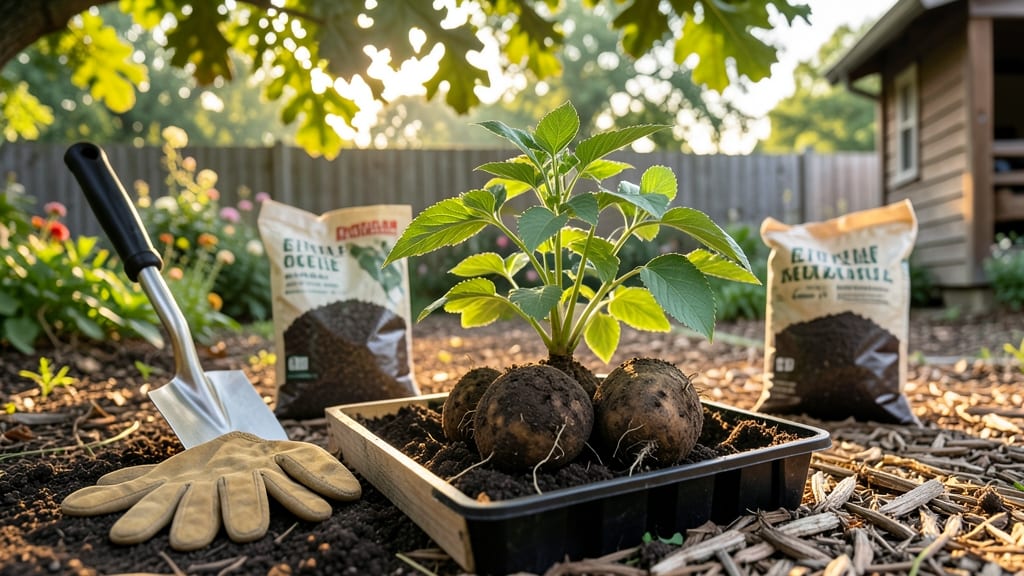
If you’ve ever dreamed of a Pennsylvania garden bursting with 🌼 dahlias but missed the perfect planting window, you’re not alone. The difference between vibrant blooms and wasted tubers often comes down to timing—especially in zones 6a-7b, where late frosts can sneak in until mid-May.
Planting too early risks frost damage, while waiting too long might mean smaller blooms or fewer flowers. The ideal window for Pennsylvania gardeners is April 15 to May 15, but soil temperature and local microclimates play a bigger role than you’d think.
Let’s break down the exact steps to get your dahlias off to a strong start—so you can enjoy those showstopping blooms from July through October.
Here’s the game-changer: preparing your soil and tubers ahead of time can shave weeks off your growing season. Whether you’re starting from seeds or transplanting, I’ll share the pro tips that keep my dahlias thriving even in Pennsylvania’s unpredictable spring weather.
No more guesswork—just lush, healthy plants ready to steal the show.
Ready to transform your garden? Let’s dive into the zone-specific planting schedule, soil prep tricks, and care routines that’ll have your dahlias reaching their full potential. Your future bloom-filled summer starts now.
Pennsylvania last frost dates by Zone: exact planting windows for dahlias
Pennsylvania’s USDA Zones 5-7 create wildly different planting windows for dahlias. In Zone 5 (Poconos, Erie), last frosts average May 1-15, while Zone 7 (Pittsburgh, Lancaster) sees them by April 15-30. These dates determine whether your tubers survive—or rot in cold soil.
Dahlias need soil temperatures above 60°F to thrive. In cooler Zone 5 areas, wait until late May unless you use black plastic mulch to warm the soil faster. Zone 6-7 gardeners can plant as early as April 20 in protected microclimates.
Your local microclimate matters more than the zone average. Valley areas like Lancaster warm faster than mountain regions like the Alleghenies. Use a soil thermometer to confirm readiness—60°F at 4" depth is your green light.
Here’s how late frosts impact your planting timeline by region:
| Zone | Avg. Last Frost | Safe Planting Window | Soil Temp Threshold | Risk Factor |
|---|---|---|---|---|
| 5 (Poconos, Erie) | May 1-15 | May 15-30 | 60°F+ | High (late frosts) |
| 6 (State College, Harrisburg) | April 20-May 5 | April 30-May 15 | 60°F+ | Medium |
| 7 (Pittsburgh, Lancaster) | April 15-30 | April 20-May 10 | 60°F+ | Low (warmer soil) |
⚠️ Pro Tip: Use row covers to extend Zone 5 windows by 2-3 weeks.
For early blooms, start tubers indoors in March (Zone 5-6) or February (Zone 7). Transplant hardened-off plants 2-3 weeks before your last frost date. This head start lets dahlias outpace late frosts while still delivering July-October blooms.
If you’re tempted to plant bare-root tubers in March, think twice. Cold soil causes rot, and young shoots won’t survive Zone 5 frosts. Instead, chit tubers indoors (place near a sunny window) to jumpstart growth without risking outdoor conditions.
Pennsylvania’s humidity adds another layer. In Erie or Pittsburgh, fungal diseases like powdery mildew thrive in damp conditions. Plant 1-2 weeks later than the average to let soil dry out, or choose disease-resistant varieties like ‘Café au Lait’ or ‘Bishop.’
Track your local frost dates for 3+ years to refine your timeline. Apps like PlantMap or Old Farmer’s Almanac provide hyper-local data. In Zone 5, I’ve seen June frosts delay planting until June 1—so stay flexible!
Once soil is warm, plant tubers 4-6 inches deep, spacing 12-18 inches apart (larger varieties need more room). Mulch with straw or shredded leaves to retain moisture and regulate temperature. This simple step doubles survival rates in Pennsylvania’s unpredictable springs.
Remember: Dahlias are tender perennials—they won’t survive winter outdoors. Dig up tubers after first frost (usually October 15 in PA) and store them in cool, dry conditions for next year’s earlier planting.
Pro tips to harden dahlias before planting: how to boost survival rates
Harden your dahlia tubers before planting to give them a fighting chance against Pennsylvania’s unpredictable late frosts. Cold soil and unexpected chills can stunt growth or even kill young plants, so prepping tubers properly is key.
I’ve learned the hard way—skipping this step once left my ‘Galaxy’ dahlias struggling for weeks!
Start by chitting tubers indoors 4-6 weeks before your last frost date. Place them in a tray with moist peat moss or vermiculite, and position them near a sunny window or under grow lights.
The goal is to encourage sprout growth without letting the roots develop too much. This process mimics natural warming conditions and jumpstarts your dahlias’ growth cycle.
Once sprouts reach 2-3 inches, it’s time to move tubers outdoors for gradual hardening. On a mild, sunny day, place them in a sheltered spot like a garage or cold frame for 2-3 hours.
Over the next week, increase exposure time daily until they’re ready for full outdoor conditions. This slow transition helps them adapt to Pennsylvania’s temperature swings and humidity shifts.
🌱Pro Tip: If your region (like the Poconos) has a history of late frosts, consider using row covers or cloche tunnels for the first 2 weeks after planting. These simple tools can add 5-10°F protection when temperatures dip unexpectedly.
⚠️ Common Mistake: Planting Bare-Root Tubers Too Soon
Planting unprepared tubers directly into cold soil (below 50°F) stunts root growth and invites rot. Always wait until soil temperatures reach 60°F+—use a soil thermometer to check! In Pennsylvania, this typically aligns with late April to early May, depending on your zone.
For extra insurance, I recommend warming your soil before planting. Lay down black plastic mulch 1-2 weeks prior to create a warmer microclimate. This trick works especially well in cooler regions like Erie or the Lake Erie shoreline, where soil warms slower.
Pair this with a balanced fertilizer (like 5-10-10) mixed into the planting hole to give your dahlias a nutrient boost right away.
Finally, water deeply after planting to settle the soil and encourage root contact. Avoid overhead watering for the first week—this helps prevent fungal diseases like powdery mildew, which thrives in Pennsylvania’s humid summers. Instead, use a soaker hose or drip irrigation to deliver moisture directly to the roots.
With these hardening techniques, your dahlias will bolt upright and bloom vigorously—no more sad, stunted stems! The extra effort upfront pays off with longer vase life and bigger flowers all season long. 🌼