
Plants
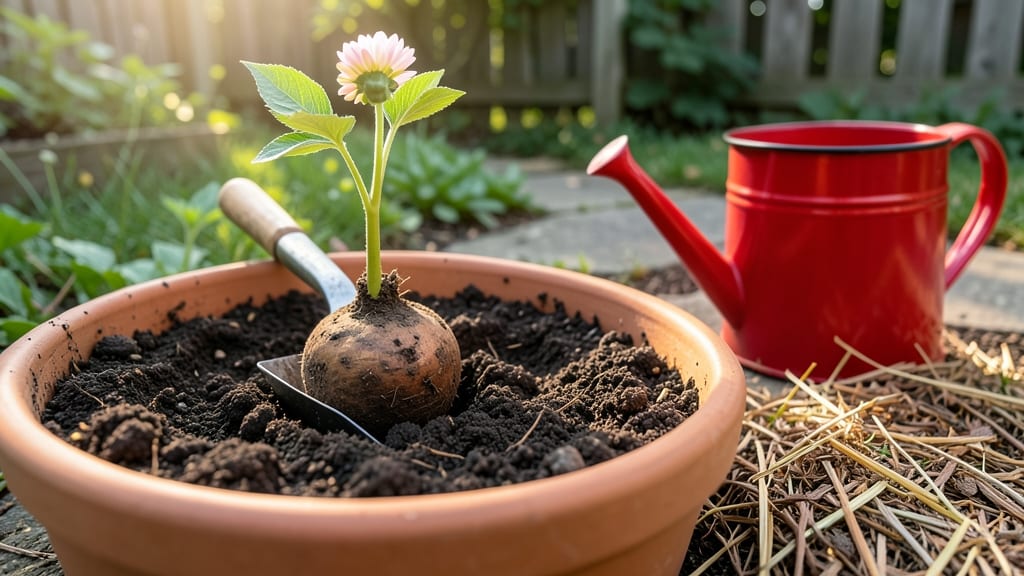
When to plant dahlias in South Africa could mean the difference between a showstopping garden and a sad, wilted mess. The ideal window—September to October—isn’t just a suggestion; it’s your ticket to vibrant blooms that last from late summer to autumn.
But here’s the catch: coastal areas like Cape Town and inland regions near Johannesburg have different rules. Plant too early, and your tubers might rot in the lingering chill.
Too late, and you’ll miss the sweet spot before summer’s scorching heat sets in. I’ll break down the microclimate deadlines so you never guess again.
You’ll also discover how to prep your soil, choose the right varieties for your zone, and even push your planting season with simple tricks. Whether you’re a coastal gardener or battling highland frosts, these tips will help your dahlias thrive—no matter where you are in the country.
Ready to turn your garden into a dahlia paradise? Let’s dive into the exact steps to plant them at the perfect moment for your region.
South Africa’s dahlia planting deadlines by microclimate zone
South Africa’s diverse climates mean your dahlia planting deadline depends on where you live. Coastal areas like Cape Town enjoy frost-free summers, while inland regions like Johannesburg face cooler nights. Let’s break down the exact planting windows for your zone to maximize blooms.
For coastal regions (e.g., Cape Town, Durban), plant dahlias between late August and early October. Soil temperatures here stay warm year-round, allowing tubers to sprout quickly. In inland summer-rainfall areas (e.g., Pretoria, Bloemfontein), aim for mid-September to early October to avoid heat stress.
High-altitude zones like Lesotho or the Drakensberg have shorter growing seasons. Plant tubers in late September to mid-October—no earlier, or frost may still linger. Always check your local last frost date (usually mid-June in these areas) and plant 2-3 weeks after.
Dahlia tubers vs. seeds have different timelines. Tubers (the most common method) should go in the ground when soil reaches 15°C (59°F). Seeds, if starting indoors, need a 6-8 week head start before transplanting in October. Coastal gardeners can push seed sowing to late September.
Soil preparation is critical. Dahlias hate waterlogged soil, so amend your beds with compost and perlite for drainage. In sandy soils (common in coastal areas), mix in organic matter to retain moisture. Inland gardeners should focus on mulching to conserve water during dry spells.
Here’s a quick microclimate cheat sheet to avoid common mistakes:
| Zone Type | Ideal Planting Window | Soil Temp Threshold | Key Risk |
|---|---|---|---|
| Coastal (Cape Town, Durban) | Late August – Early October | 15°C+ (59°F+) | Overwatering (sandy soil) |
| Inland Summer-Rainfall (Johannesburg, Pretoria) | Mid-September – Early October | 16°C+ (61°F+) | Heat stress (plant too early) |
| High-Altitude (Drakensberg, Lesotho) | Late September – Mid-October | 14°C+ (57°F+) | Late frost (after planting) |
| Winter-Rainfall (Western Cape) | Early September – Late October | 13°C+ (55°F+) | Drought (plant too late) |
Pro tip: Use a soil thermometer to confirm temperatures. Coastal gardeners can plant 2 weeks earlier than inland areas, while high-altitude gardeners should delay until soil warms. Varieties like ‘Café au Lait’ (dwarf) tolerate cooler soils better than ‘Galaxy’ (tall), which needs warmth to thrive.
If you’re in a transition zone (e.g., Eastern Cape), split your planting: put half tubers in early September and the rest in mid-October. This staggered approach extends your blooming season and reduces risk. Always plant tubers 4-6 inches deep with the eyes facing up—this ensures strong root growth.
Remember, dahlias are not frost-tolerant, even in South Africa. If you’re in frost-prone areas (e.g., Free State), wait until after May 1st to plant tubers. Use row covers for extra protection if early blooms appear before frost season ends.
Once planted, mulch heavily (3-4 inches of straw or wood chips) to keep roots cool and retain moisture. Coastal gardeners should mulch lighter to prevent fungal issues from humidity, while inland areas benefit from thicker mulch layers to combat dry spells.
Your dahlias will reward you with vibrant blooms from December to May if planted at the right time. Start with the microclimate chart above, then adjust based on your local weather patterns. Happy planting!
How to extend your dahlia season: pre-planting prep for frost-prone areas
South Africa’s high-altitude regions like the Free State and Drakensberg face occasional frost, but with the right prep, you can push your dahlia planting dates safely. The key? Hardening tubers and choosing late-blooming varieties that thrive in cooler conditions.
These strategies let you plant 2-3 weeks later than coastal gardeners without risking frost damage.
Start by selecting frost-tolerant varieties like 'Café au Lait' or 'Bishop', which handle cooler soils better than delicate hybrids. These types can survive brief 2-3°C dips once established, giving you a wider planting window.
For extra insurance, pre-chill tubers in a cool, dark place (like a garage) for 4-6 weeks before planting—this mimics winter conditions and jumpstarts growth.
Here’s my step-by-step