
Flowers
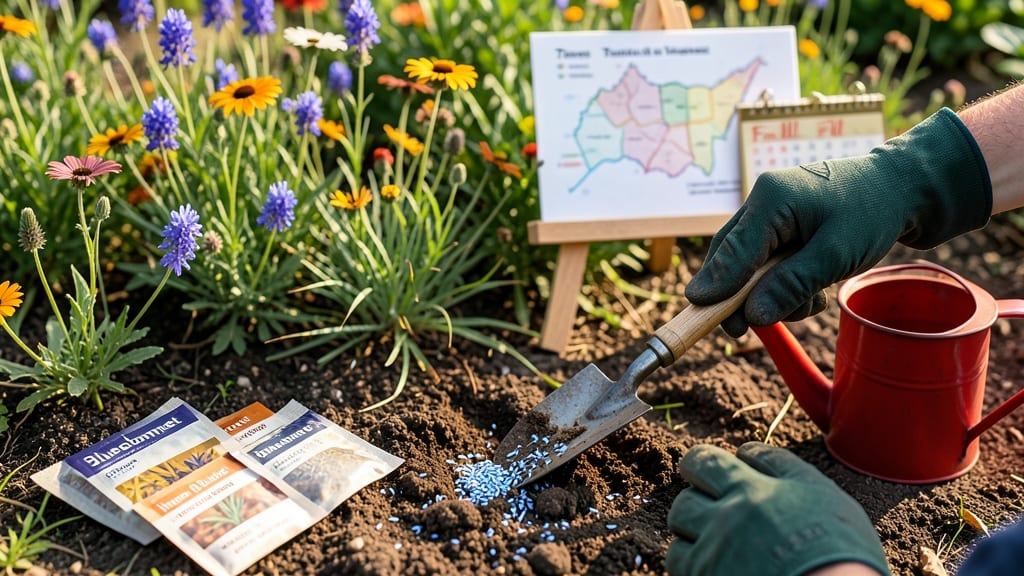
Timing your flower seeds planting in Texas isn’t just about throwing seeds into the dirt—it’s about outsmarting the heat and avoiding those sneaky late frosts that can turn your garden dreams into a sad, crispy mess.
With zones ranging from 8a to 10b, you’ve got a unique advantage: longer growing seasons than most places.
But even Texas has its quirks, like North Texas’s frost sneaking in as late as February or South Texas’s scorching summers that can fry seedlings faster than you can say “🌸.”
Most gardeners here swear by fall planting as the golden ticket—cool temps mean happier seeds and fewer weeds—but that doesn’t mean spring and summer are off-limits. The key?
Knowing which flowers crave the heat (like lantana) and which beg for cooler weather (like pansies) so you can plan your blooms like a pro.
Whether you’re in a bustling city garden or a wide-open rural plot, getting this right means fewer replants and more time admiring your year-round color.
I’ve spent years testing what works in Texas gardens, and the difference between a thriving bed and a sad patch of dirt often comes down to one simple factor: planting at the right moment.
Skip the guesswork and let’s dive into the exact months, soil prep tricks, and heat-beating hacks that’ll have your garden looking like a postcard—no matter what the weather throws your way.
From avoiding frost traps to picking the perfect shade-loving varieties for your urban patio, this guide cuts through the confusion. You’ll learn how to stretch your growing season, spot the best drought-resistant picks, and even cheat the system with shade cloth when the sun gets too intense.
Ready to turn your Texas dirt into a blooming paradise? Let’s get started.
Texas heat Zones explained: the exact months to plant flower seeds
Texas spans USDA Zones 8a–10b, meaning frost dates vary wildly—from late December in South Texas to February in North Texas. This diversity lets you grow flowers year-round, but timing is everything. Plant too early, and a late frost will kill tender seedlings.
Too late, and your blooms miss their prime season. Let’s break it down by zone and season so you never miss a beat.
Most Texas gardeners focus on fall and early spring planting, but some flowers thrive in late summer when temperatures start to dip. The key is knowing your last frost date (e.g., February 15 in Dallas, January 1 in Houston) and adjusting for heat tolerance.
For example, marigolds and zinnias can handle Texas summers, while pansies and snapdragons prefer cooler weather.
Here’s your zone-by-zone planting timeline for flower seeds, including annuals, perennials, and heat-lovers. Use this as your cheat sheet to avoid common mistakes like planting cool-season flowers in July or heat-lovers before the last frost.
| Zone | Best Planting Window | Flowers to Plant | Avoid Planting |
|---|---|---|---|
| 8a (North Texas) | Feb–March, Sept–Oct | Pansies, Snapdragons, Sweet Alyssum | Marigolds (too hot in summer) |
| 9a (Central Texas) | Jan–Feb, Sept–Nov | Zinnias, Cosmos, Lantana | Petunias (need cooler temps) |
| 10a (South Texas) | Year-round (succession plant) | Sunflowers, Portulaca, Gaillardia | None (adaptable!) |
For North Texas (Zones 8a–8b), aim to plant cool-season flowers like pansies and sweet peas in February, giving them time to establish before summer heat.
In Central Texas (Zones 9a–9b), you can push the envelope with late summer plantings (August–September) for zinnias and cosmos, which thrive in the cooler fall air. Meanwhile, South Texas (Zones 10a–10b) gardeners enjoy near year-round planting, but even here, succession planting every 6–8 weeks ensures continuous blooms.
Don’t overlook perennials, which often need late summer or early fall planting to establish roots before winter. For example, black-eyed Susans and coneflowers planted in September will reward you with spring and summer blooms.
The secret? Water deeply after planting and mulch to retain moisture during Texas’s unpredictable weather swings.
If you’re in a transition zone (e.g., Austin or San Antonio), pay attention to microclimates. Urban areas can be 5–10°F warmer than rural spots, so adjust planting dates accordingly.
For instance, heat-loving flowers like lantana might handle early spring plantings in Zone 9a, while cool-season flowers like snapdragons may need shade cloth to survive a hot April.
One of my biggest mistakes? Planting marigolds in May in Zone 8b—they bolted in the heat before blooming. Now, I wait until late June for heat-tolerant varieties.
Similarly, petunias planted in July in Zone 9a wilt within days. Learn from my errors: match the flower to the season, not just the zone.
For container gardening, timing shifts slightly. Containers heat up faster, so plant cool-season flowers in containers 2–3 weeks earlier than in-ground. Conversely, heat-lovers in containers can handle earlier plantings because pots warm up quicker. Just ensure your containers have drainage holes to prevent root rot in Texas’s intense sun.
Finally, keep an eye on weather forecasts. A late frost in March can wipe out tender seedlings, while a heatwave in April might stress cool-season flowers. Use row covers for early plantings and shade cloth for late-season blooms to give your flowers the best shot at success.
With these strategies, your Texas garden can bloom year-round, no matter the heat zone.
Best flowers to plant by Texas season: cool vs. heat lovers
Texas’s diverse climate means some flowers thrive in cool winters, while others love scorching summers. Picking the right blooms for each season ensures your garden stays vibrant year-round. Let’s break down the best cool-season flowers for fall/winter planting and heat-tolerant varieties for spring/summer.
For cool-season flowers, focus on planting between September and November. These varieties handle Texas’s mild winters (Zones 8–10) and even occasional frost. Think pansies, snapdragons, and sweet alyssum—they’ll brighten your garden when temperatures dip.
Meanwhile, heat-loving flowers like zinnias, lantana, and sunflowers should go in the ground from March to May to avoid wilting before they bloom.
🌸
🌿 Cool-Season Flowers (Plant Sept–Nov)
- Thrives in 50–70°F temps
- Resists light frost (Zones 8–10)
- Early blooms for winter color
- Wilts in heat above 80°F
- Needs shade in summer
- Short-lived in Zone 10+ heat
☀️ Heat-Season Flowers (Plant Mar–May)
- Tolerates 90–100°F+ temps
- Long blooming season (spring–fall)
- Drought-resistant varieties available
- Needs consistent watering in extreme heat
- Some bolt in winter (annuals)
- May struggle in heavy clay soil
To maximize blooms, succession plant heat lovers every 2–3 weeks from spring to early summer. This ensures continuous color as older flowers fade. For cool-season blooms, plant in late summer to give roots time to establish before winter chills arrive.
Pro tip: Use mulch around cool-season flowers to insulate roots during unpredictable North Texas frosts. For heat lovers, raise beds in Zone 10 to improve drainage and prevent root rot in monsoon season.
✂️