
Trees
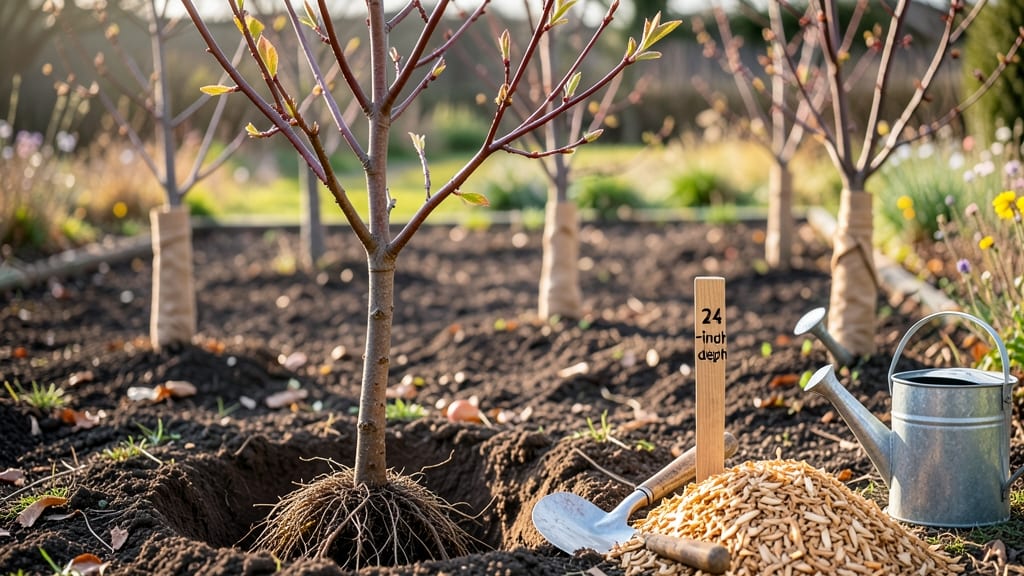
Timing your fruit tree planting in North Texas wrong could mean years of waiting for harvests—or worse, losing your investment to early frosts. The key isn’t just picking the right month, but matching your tree’s chill-hour needs with North Texas’s unpredictable USDA Zone 8a climate.
Peaches and plums need 300–800 chill hours, while citrus thrives with zero chill. Planting bare-root trees in late winter (February–March) gives them time to establish roots before spring blooms, but container-grown varieties can wait until early spring.
One wrong move, and you’re stuck with stunted growth or fruit that never sets.
I’ve helped North Texas gardeners avoid these mistakes for years, and the secrets come down to soil prep, frost dates, and variety selection.
Whether you’re planting a 🍎 dwarf apple or a full-sized peach tree, this guide cuts through the guesswork to ensure your trees thrive—and your patience doesn’t wear thin.
Ready to skip the trial-and-error? Let’s break down the exact planting windows, chill-hour charts, and post-planting care that’ll have your trees bearing fruit in 2–4 years (not the 5+ years most gardeners experience).
North Texas chill-hour zones explained: how cold requirements determine best planting months
North Texas spans USDA Zones 7b through 9a, but the real game-changer for fruit trees is chill hours—the number of hours below 45°F (7°C) a tree needs to flower and fruit.
Most North Texas areas average 500–1,000 chill hours, but this varies dramatically even within 50 miles. For example, Dallas (Zone 8a) gets around 700–800 chill hours, while Amarillo (Zone 7b) sees 1,000+ hours.
This means planting a peach tree in Fort Worth without checking chill hours could leave you with no fruit—or worse, a tree that blooms but never sets fruit.
Chill hours directly dictate planting windows. Trees like peaches, plums, and apples need 300–1,000 chill hours and should be planted in late winter (Dec–Feb) when they’re dormant.
Varieties like figs and citrus, which thrive with 0–300 chill hours, can be planted year-round in warmer microclimates (e.g., East Texas), but bare-root citrus still prefers Dec–Jan for best root establishment.
The key is matching your local chill hours to the tree’s needs before the buds swell in early spring.
Here’s how to decode your North Texas chill-hour zone:
- Check your last average frost date (typically March 15 in most of North Texas).
- Verify your chill-hour range using local weather data (e.g., Purvis Chill Calculator).
- Select fruit tree varieties labeled for your chill-hour range (e.g., Redhaven peaches need 500+ hours, while Satsuma mandarins need 200–300 hours).
- Plant bare-root trees in Dec–Feb and container-grown trees through March to avoid transplant shock.
For instance, if you’re in Denton (Zone 8a, ~750 chill hours), Elberta peaches or Santa Rosa plums are safe bets, but Granny Smith apples (which need 800+ hours) might struggle. Meanwhile, in Lubbock (Zone 7b, ~1,000+ hours), you can grow Fuji apples or Stanley plums with confidence.
The worst mistake is planting a high-chill variety in a low-chill area—like Honeycrisp apples in East Texas—where they’ll bloom but fail to fruit.
Pro Tip: Use the Texas A&M AgriLife Extension chill-hour maps to pinpoint your exact zone. Even a 50-mile drive can shift you from 500 to 900 chill hours, changing which trees thrive in your yard. For example, Waco (Zone 8a) has ~650 chill hours, while Abilene (Zone 8b) sees ~550 hours. This difference matters when choosing between peach varieties like Bonanza (400 hours) vs. Contender (800 hours).
🌱 North Texas Chill-Hour & Planting Guide
| Fruit Tree | Chill Hours Needed | Best Planting Month | North Texas Zones | Notes |
|---|---|---|---|---|
| Peaches (e.g., Redhaven) | 500–800 | Dec–Feb (bare-root) | 7b–8a | Avoid late spring planting—buds swell by March. |
| Plums (e.g., Santa Rosa) | 300–600 | Nov–Jan | 8a–9a | Drought-tolerant once established; mulch heavily. |
| Apples (e.g., Fuji) | 800–1,000 | Dec–Jan (bare-root) | 7b–8a | Cross-pollinate with another variety for fruit. |
| Citrus (e.g., Satsuma) |
Best fruit tree varieties for North Texas by planting season (dormant vs. bare-root timing)North Texas gardeners have two main planting windows for fruit trees: dormant season (November–February) and bare-root season (December–January). Each method suits different varieties and climate conditions. For peaches, plums, and apples, dormant planting is ideal—these trees need chill hours (400–1,000) to bloom properly. Meanwhile, citrus trees (like Meyer lemons) thrive when planted bare-root in late winter to avoid transplant shock during summer heat. Timing matters because late frosts (March 15) can damage new growth if trees are planted too early. Container-grown trees offer flexibility—plant them through early spring (February–April)—but bare-root trees must go in the ground before buds swell. Everbearing varieties (e.g., figs) can handle broader windows, but most fruit trees need precise timing for reliable harvests. Here’s how to match varieties to North Texas seasons for success:
Soil prep is just as critical as timing. Amend clay-heavy North Texas soil with compost or sand to improve drainage. For bare-root trees, soak roots in water mixed with mycorrhizal fungus for 1–2 hours before planting to boost root growth. Mulch with wood chips to retain moisture and regulate soil temperature—especially important during North Texas’s hot summers (100°F+). After planting, water deeply once a week for the first month to encourage root establishment. Reduce frequency to bi-weekly once established, but monitor for drought stress during summer months (June–August). Young trees are vulnerable to aphids and scale insects—inspect leaves regularly and treat with neem oil if needed. With the right variety and timing, your North Texas fruit trees can bear fruit in 2–4 years. Start with dwarf or semi-dwarf varieties for easier harvests, and always plant in full sun (6+ hours daily). The key? Match chill hours to your microclimate—and you’ll be enjoying homegrown peaches by summer! 🍑 |